€ 150


Still questions? Contact us
Arabidopsis necklace | sterling silver
In 1753 Carl Linnaeus entered Arabis thaliana in Species Plantarum, working from a woodcut in Johannes Thal's Harz flora of 1588. To a plant biologist with an arabidopsis necklace, the same small weed, now Arabidopsis thaliana, is the model plant of her field.
Who It's For
- a PhD student in plant genetics
- a sister or a close friend who studies botany
- a crop scientist
- a colleague in a plant science lab
- yourself, if Arabidopsis is part of your own work
Robert M.: “The perfect gift for the researcher in your life!”
How Arabidopsis Remembers Winter
Many wild strains of Arabidopsis thaliana flower late unless they have been through several weeks of cold, so they wait out the winter and flower in spring. A gene called FLC holds flowering back. Long cold silences it by adding chemical marks to the proteins its DNA is wrapped around, not by changing the DNA sequence, and it stays silenced when the weather warms. At the John Innes Centre, Caroline Dean, Martin Howard and colleagues found that each copy of FLC switches off on its own, all or nothing, and that a longer cold leaves it silenced in more cells. That memory of winter is wiped again as each new embryo forms in the seed.
Explore Related Plant Biology and Genetics Jewelry
- arabidopsis necklace | gold vermeil
- chloroplast necklace | silver
- drosophila necklace | silver
- Mendel's peas necklace | silver
FAQ
How big is the pendant, and how does it sit?
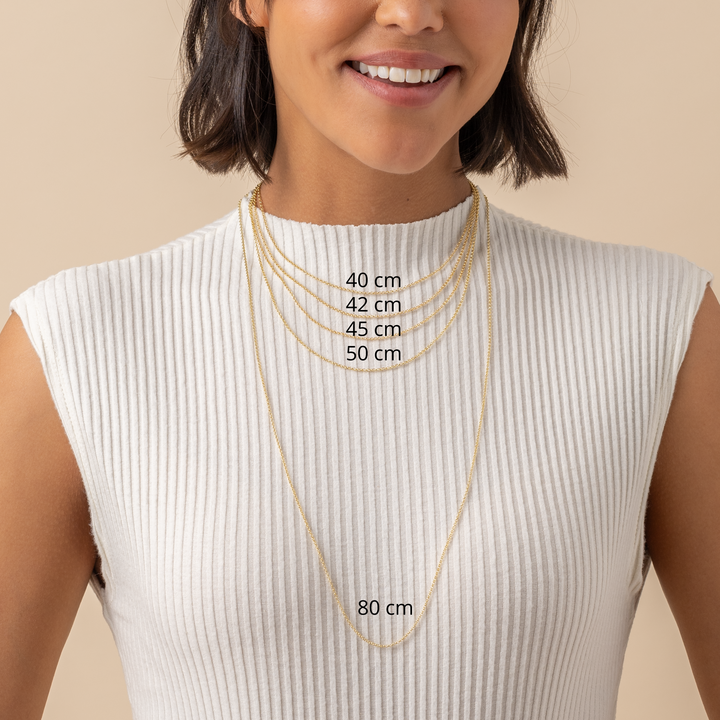
The pendant measures 21 mm (about 0.83 inch), about 3 mm more than a US dime (17.91 mm). It hangs from a small ring at its top and sits below the collarbone on a 45 cm (17.7 inch) sterling silver chain with a 5 cm (2 inch) extender. Our 925 sterling silver is nickel-free and hypoallergenic. Wipe it with a soft cloth and keep it somewhere dry.
Does it come in gold vermeil, or as earrings?
Yes to gold vermeil, but there are no arabidopsis earrings. The arabidopsis necklace comes in sterling silver and in 18K gold vermeil, both with a 21 mm pendant on a 45 cm chain with a 5 cm extender. Choose the finish the recipient already wears. The design is the same in both finishes.
Will it arrive in time, and what if it isn't right?
DHL Express delivers it free worldwide in 1-5 business days, and we pay the import duties and taxes, so nothing is due at the door. It arrives in a ready-to-gift jewelry box and festive envelope. If it isn't right, our 30-day “Love It or Return It” policy applies.
Why did the US military publish Erna Reinholz's thesis on Arabidopsis?
Apparently because of one word in its title. Reinholz finished her PhD thesis in 1945, and in 1947 the US military issued it as an unclassified captured document of the Joint Intelligence Objectives Agency. Its title included “Röntgen-Mutationen”, X-ray mutations, and that brought it to the attention of people looking for a German atomic bomb programme. Inside, Reinholz described X-ray experiments in the lab of Friedrich Laibach, who had proposed Arabidopsis as a model for genetics in 1943, and that work led to the first collection of Arabidopsis mutants.
Genetics
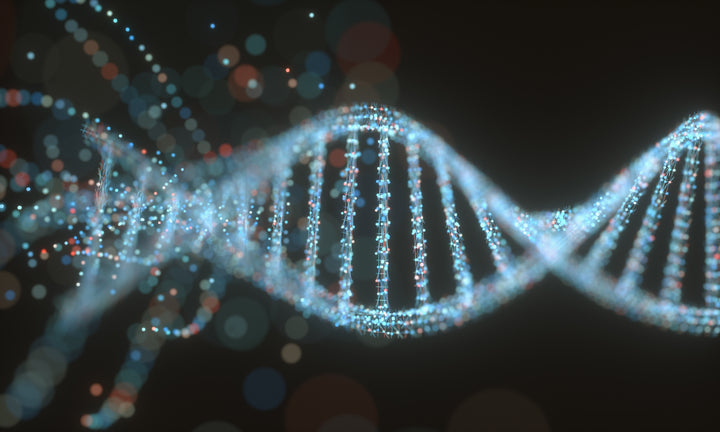
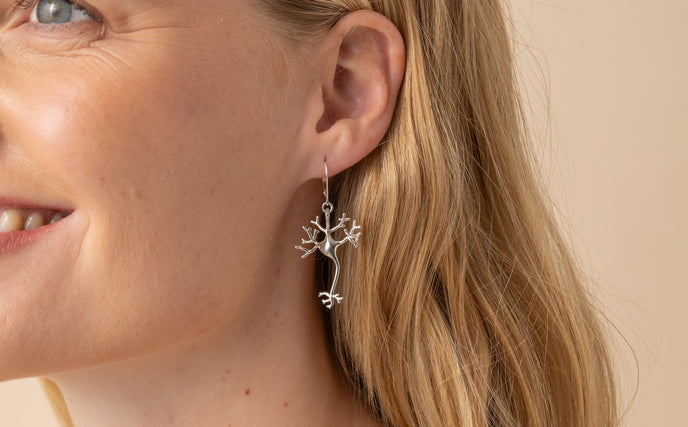
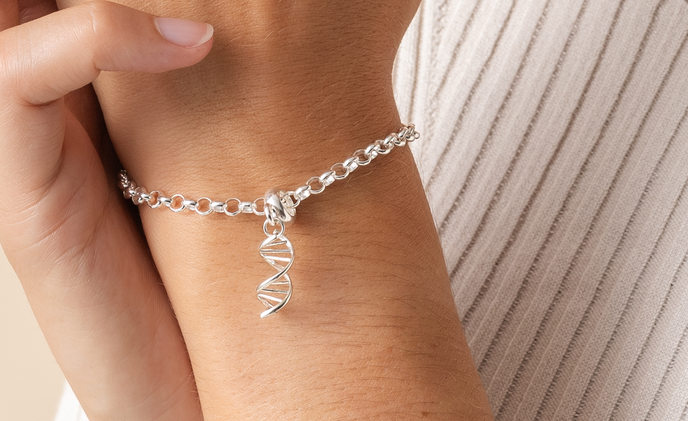
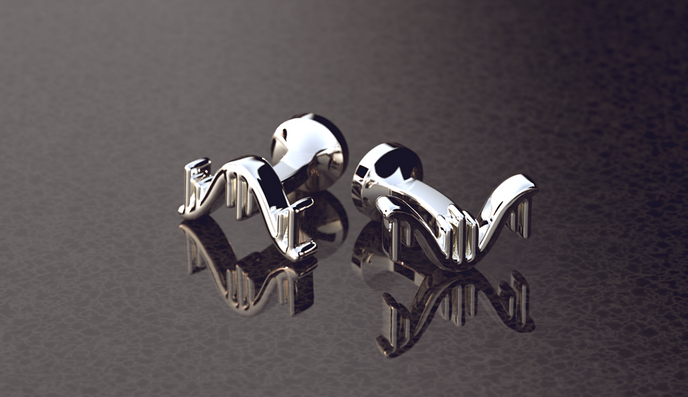
Our genetics-inspired jewelry captures the essence of life's code in striking detail. Crafted to mirror the DNA double helix, each piece is more than an aesthetic marvel—it's a tribute to the complexity of our genetic makeup. Far from ordinary, this collection combines scientific precision with artistic flair, making each item a captivating blend of form and function. It's not just an accessory; it's a meaningful representation of the miracle that is genetics.
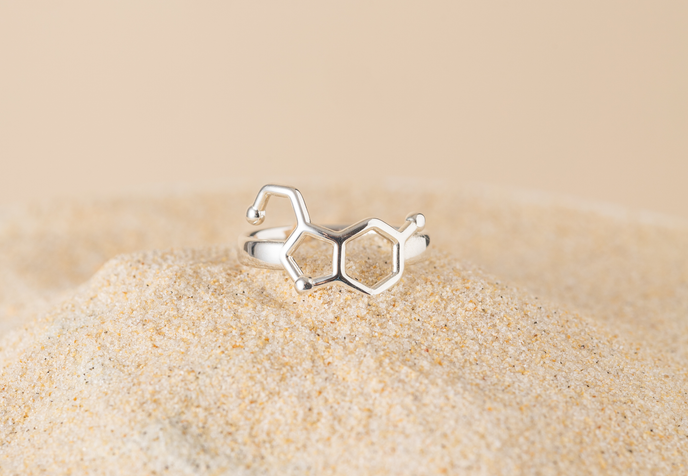
Find your perfect fit: measure an Existing Ring
Finding out your ring size at home is a simple process and can help you shop for jewelry online with confidence.
Necklace length guide