€ 150


Still questions? Contact us
XX chromosomes ring | silver
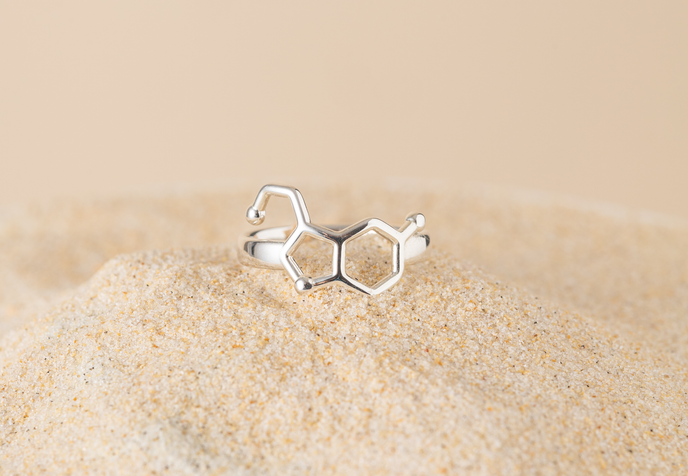
The XX karyotype as a ring, in 925 sterling silver. Two X chromosomes side by side, in the format used for every cytogenetics report and every introductory genetics lecture. The geometry is small but the reference is the chromosomal basis of mammalian sex determination and a century of work on X inactivation.
The Science Behind XX Chromosomes
In 1961, Mary Lyon proposed that in every XX female mammal, one of the two X chromosomes is randomly and permanently silenced in each cell during early development. The inactivated X condenses into a Barr body, visible as a dense spot in the nucleus. Lyon's hypothesis explained why females with an extra X chromosome are largely unaffected (the additional copies are silenced) and why calico cats have patches of different colours (different X chromosomes are inactivated in different cell lineages). Silencing is established by XIST, a long non-coding RNA that coats the chromosome it is transcribed from. XIST was an early example of RNA-based gene regulation and remains a central case study in the field.
Worn By
Geneticists, cell biologists, and people for whom the XX karyotype carries personal weight.
- geneticists, cytogeneticists, and clinical genetic counsellors
- cell biologists working on epigenetics or chromosome biology
- developmental biologists studying X inactivation and dosage compensation
- recipients for whom the XX karyotype is personally meaningful
Most often given as a milestone gift after a defended thesis on chromosome biology, or as a personal piece marking the start of a clinical genetics fellowship.
Explore Related Genetics Jewelry
- Flat chromosome necklace | silver
- Round chromosome necklace | silver
- Flat chromosome studs | silver
- Trisomy 21 necklace | silver
- DNA ring | silver
Frequently Asked Questions
What does XX represent in this context?
The chromosomal basis of female sex determination in humans and most mammals. In a karyotype report, XX denotes two X chromosomes, the configuration that anchors X inactivation, dosage compensation, and a substantial portion of clinical genetics.
Why a ring rather than a necklace?
The XX motif renders cleanly at ring scale and reads at close range, where the two chromosome shapes can sit side by side without losing detail. People who work in cytogenetics or genetic counselling tend to want the karyotype on the hand, where it is visible during conversation.
How do I size it, and what is the return policy?
The ring is available in US sizes 5, 6, 7, 8, and 9. If you are unsure, measure a ring you already wear and match by inner diameter. 925 sterling silver, nickel-free and hypoallergenic. Ships free worldwide via DHL Express in 1-5 business days, with all import duties and taxes covered. 30-day “Love It or Return It” returns, and exchanges are straightforward if the size is off.
What other chromosome formats are available?
The catalog includes flat and rounded chromosome necklaces, flat chromosome studs, and a Trisomy 21 necklace. The XX motif as shown here is currently produced as a ring only.
Genetics
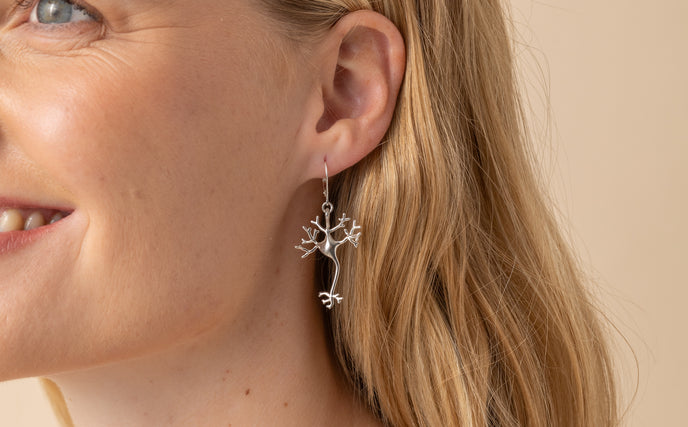
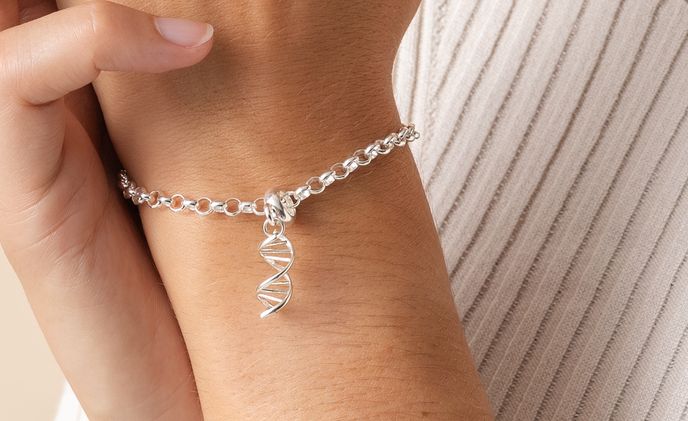
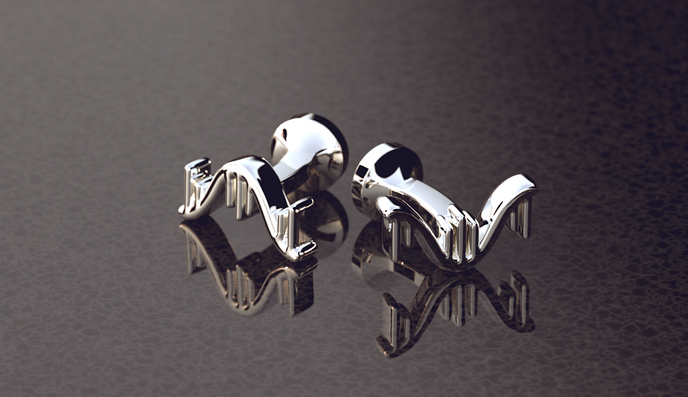
Our genetics-inspired jewelry captures the essence of life's code in striking detail. Crafted to mirror the DNA double helix, each piece is more than an aesthetic marvel—it's a tribute to the complexity of our genetic makeup. Far from ordinary, this collection combines scientific precision with artistic flair, making each item a captivating blend of form and function. It's not just an accessory; it's a meaningful representation of the miracle that is genetics.
Find your perfect fit
Necklace length guide