€ 270


Still questions? Contact us
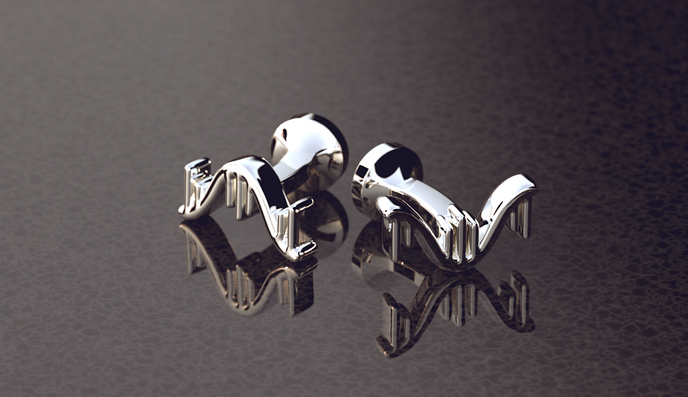
Alveolus cufflinks | sterling silver
Alveolus cufflinks for pulmonologists, anaesthesiologists, respiratory therapists, and anyone whose work centres on the place where oxygen actually crosses into the blood. The terminal air sac at the end of the bronchial tree, in 925 sterling silver.
The Anatomy of the Alveolus
The alveolus is the functional unit of the lung. Each adult lung holds roughly 300 to 500 million alveoli, giving a combined gas-exchange surface area of around 70 square metres in healthy adults, comparable to the floor of a small studio. The wall of each alveolus is a single layer of epithelial cells (type I and type II pneumocytes) sitting on a basement membrane fused with the basement membrane of the surrounding capillary endothelium. Across this thin barrier, oxygen diffuses into red blood cells and carbon dioxide diffuses out, on every breath, every few seconds, for a lifetime. Type II pneumocytes also produce surfactant, the phospholipid mixture that lowers surface tension and keeps the alveoli from collapsing on exhalation. The alveolus is where pneumonia, ARDS, COVID-19, emphysema, and surfactant deficiency disorders all manifest at the cellular level.
A Meaningful Gift for Science Lovers
For the people whose entire field rests on what happens inside this microscopic sphere.
- pulmonologists, intensivists, and respiratory medicine specialists
- anaesthesiologists who manage ventilation and oxygenation every working day
- respiratory therapists and pulmonary function technologists
- thoracic surgeons working on lungs and chest wall
- researchers in pulmonary biology, surfactant, ARDS, or COVID
For someone who has spent thousands of hours optimising gas exchange in other people's lungs and might appreciate carrying the unit it actually happens in.
Explore Related Pulmonology Jewelry
- Alveolus necklace | sterling silver
- Lungs necklace | sterling silver
- Heartbeat necklace | sterling silver
- Anatomical heart necklace | sterling silver
FAQ
Who would actually wear alveolus cufflinks?
Mostly clinicians and researchers whose specialty is the lung: pulmonologists, anaesthesiologists, intensivists, respiratory therapists, and thoracic surgeons. Also people who have come through serious respiratory illness, including COVID, ARDS, or asthma, and want a quiet reference to the part of the body that did the work. The cufflink format places it in a professional context, which suits the audience.
Why the alveolus rather than the whole lung?
The lung is the recognisable organ, but the alveolus is where the medicine actually happens. Every drug that affects breathing, every ventilator setting, every surfactant therapy in a premature infant, every COVID intervention, eventually plays out across the alveolar membrane. People in respiratory medicine tend to know this and prefer the level of detail that matches their work over the more generic full-lung silhouette.
What size are the cufflinks and what's included?
The cufflink heads are 25 mm, sized to read clearly under a cuff without being oversized. They are 925 sterling silver, nickel-free, with fixed backs. They come in a ready-to-gift jewelry box. Free worldwide DHL Express shipping in 1-5 business days, all import duties covered.
Is this a good gift for a graduating pulmonary fellow?
Among the better ones, yes. Pulmonary fellowship is a long road, and the alveolus is the structure that defined the entire programme. A short note that names the year and the institution lands well. Cufflinks also have the advantage of being easy to wear immediately, including to the graduation itself.

Human Anatomy
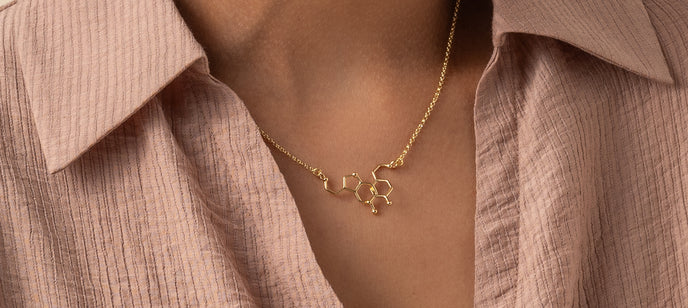
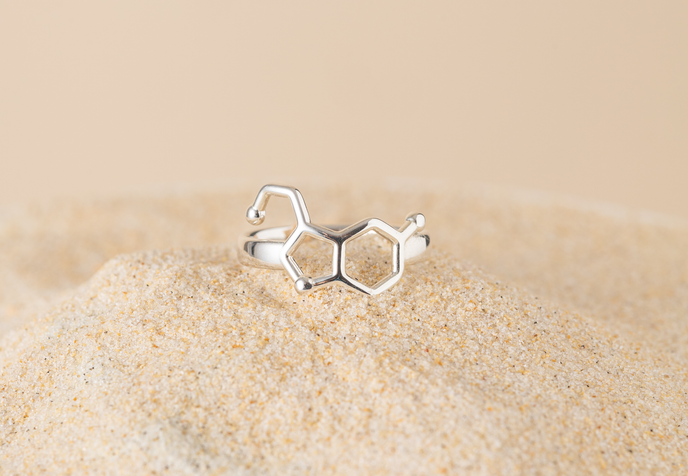
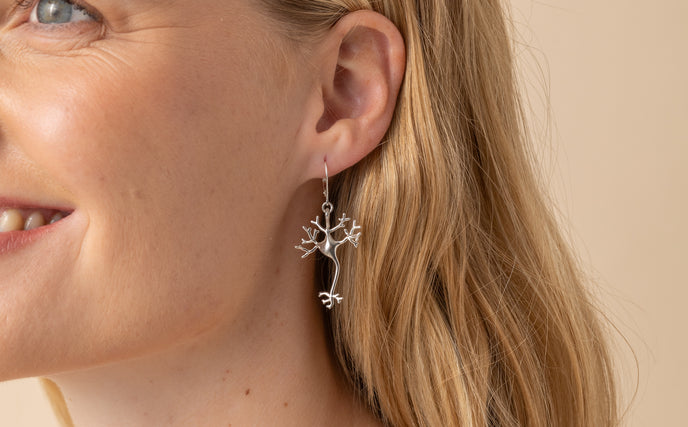
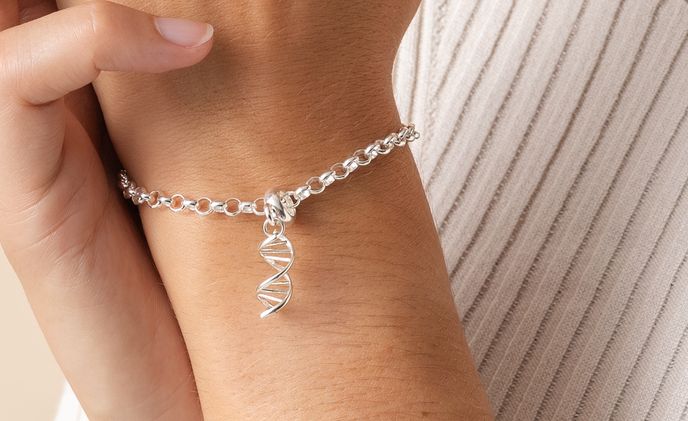
Anatomical wonders have never been so elegantly articulated. Our anatomical collection embodies the intricate and awe-inspiring structures that make us who we are. From DNA double helices to neuronal networks, our pieces don't merely imitate—they interpret. The collection serves as a tangible tribute to the hidden beauty within us all, elevating the realms of biology and medicine into wearable art. With exquisite attention to detail, each piece is a dialogue between form and function, revealing the enigmatic eloquence of the human body.
Find your perfect fit
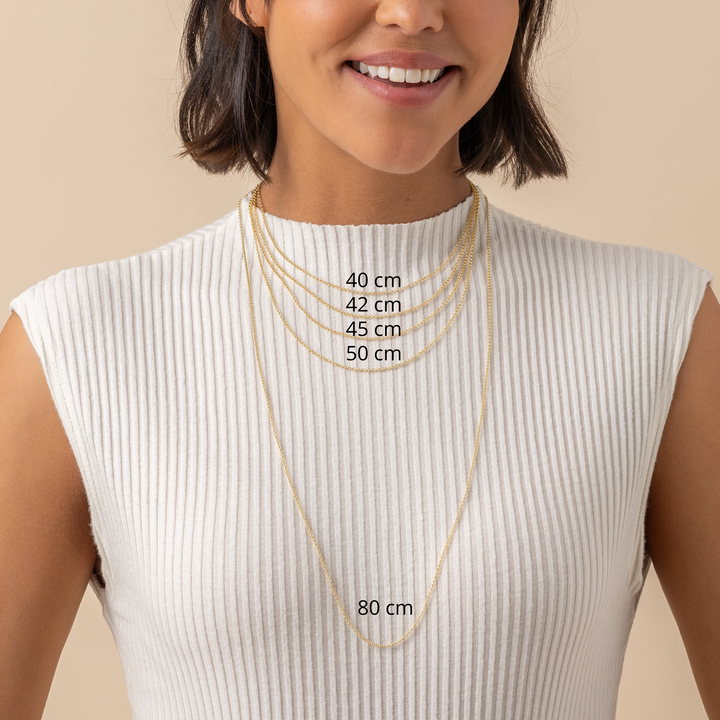
Necklace length guide