€ 170


Still questions? Contact us
foot anatomy necklace | sterling silver
Twenty-six bones, thirty-three joints, and a network of muscles, tendons, and ligaments that absorb shock and propel the body forward with every step. The foot is biomechanical architecture made visible, the structure that podiatrists, orthopaedists, and physiotherapists work inside daily.
The Anatomy of the Foot
The foot divides into rearfoot (calcaneus and talus), midfoot (navicular, cuboid, and three cuneiforms), and forefoot (five metatarsals and fourteen phalanges). The medial longitudinal arch, formed by the calcaneus, talus, navicular, cuneiforms, and metatarsals and supported by the plantar fascia, is the primary shock-absorbing structure. The plantar fascia's tightening during toe dorsiflexion (the windlass mechanism) raises the arch and stiffens the foot for push-off. The subtalar joint between the talus and calcaneus controls pronation and supination, allowing the foot to adapt to uneven ground. Plantar fasciitis, inflammation at the calcaneal insertion, remains the most common cause of heel pain.
Who Will Recognise It
- podiatrists, orthopedic surgeons, and physiotherapists
- biomechanists and sports scientists
- anatomists and medical students
- runners, dancers, and movement coaches
A piece for specialists who understand the foot as a complex load-bearing and propulsive structure.
Explore Related Human Anatomy Jewelry
- Hand anatomy necklace | silver
- Foot anatomy necklace | gold vermeil
- Femur necklace | silver
- Spine necklace | silver
FAQ
Would a podiatrist genuinely appreciate this?
Yes. The foot is a specialized field in medicine, and podiatrists understand its anatomy deeper than almost any other professional. This pendant signals respect for their expertise and knowledge of biomechanics most people never think about.
What makes the foot anatomy so biomechanically interesting?
The foot must absorb enormous forces during running and walking while remaining flexible enough to adapt to uneven ground. The medial longitudinal arch does both: it stores elastic energy during landing (the shock-absorption role) and releases it during push-off (the propulsion role). This dual function is why foot mechanics matter so much in injury prevention.
What are the size, material, and chain details?
32 mm sterling silver pendant on a 45 cm sterling silver chain with 5 cm extender. 925 polished sterling silver, nickel-free and hypoallergenic. Ships free worldwide via DHL Express in 1-5 business days. Comes in a ready-to-gift jewelry box with the 30-day “Love It or Return It” policy.
Is this available in gold?
Yes. The same design is available in 18k gold vermeil. The pendant size and chain length remain the same across materials.
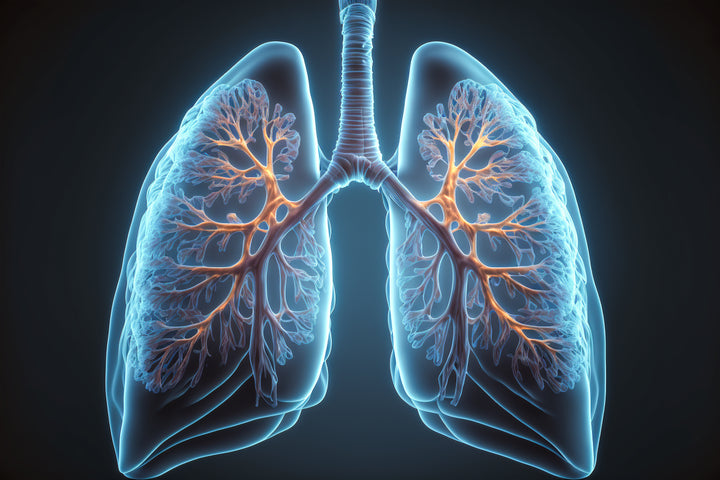
Human Anatomy
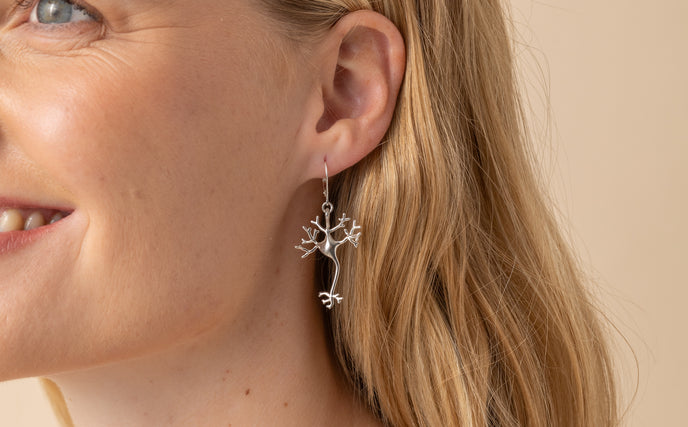
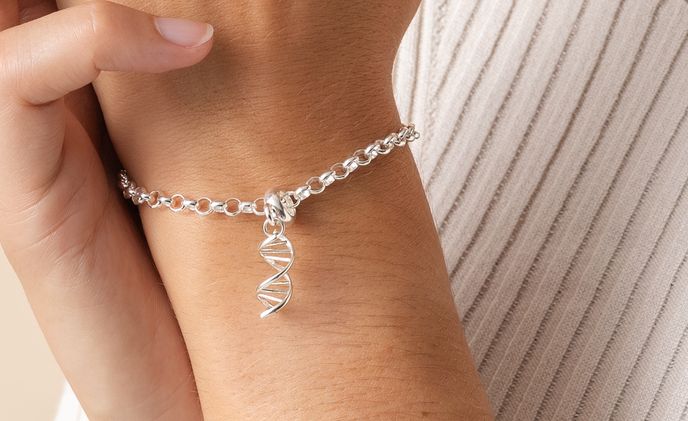
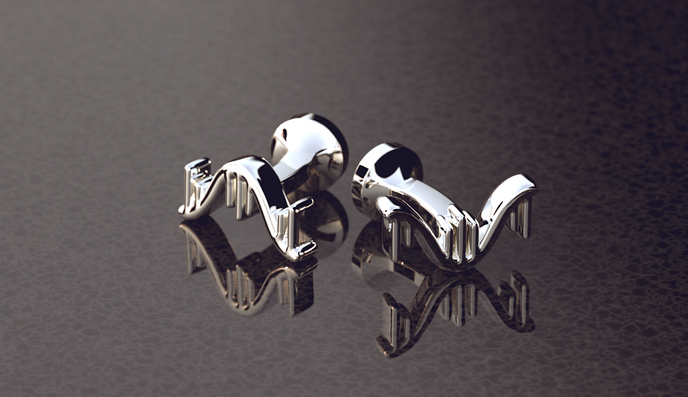
Anatomical wonders have never been so elegantly articulated. Our anatomical collection embodies the intricate and awe-inspiring structures that make us who we are. From DNA double helices to neuronal networks, our pieces don't merely imitate—they interpret. The collection serves as a tangible tribute to the hidden beauty within us all, elevating the realms of biology and medicine into wearable art. With exquisite attention to detail, each piece is a dialogue between form and function, revealing the enigmatic eloquence of the human body.
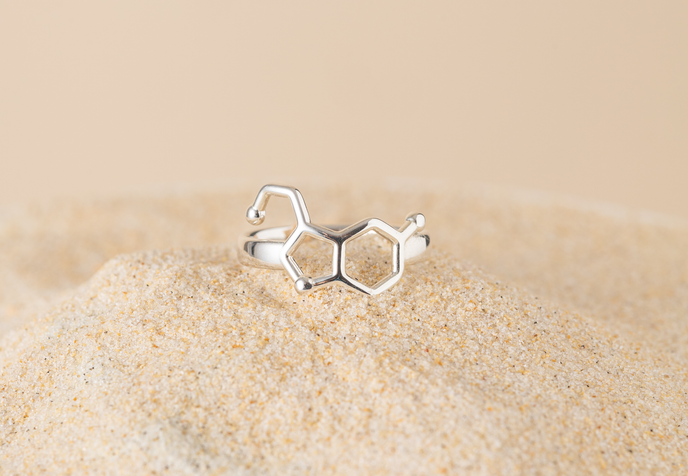
Find your perfect fit: measure an Existing Ring
Finding out your ring size at home is a simple process and can help you shop for jewelry online with confidence.
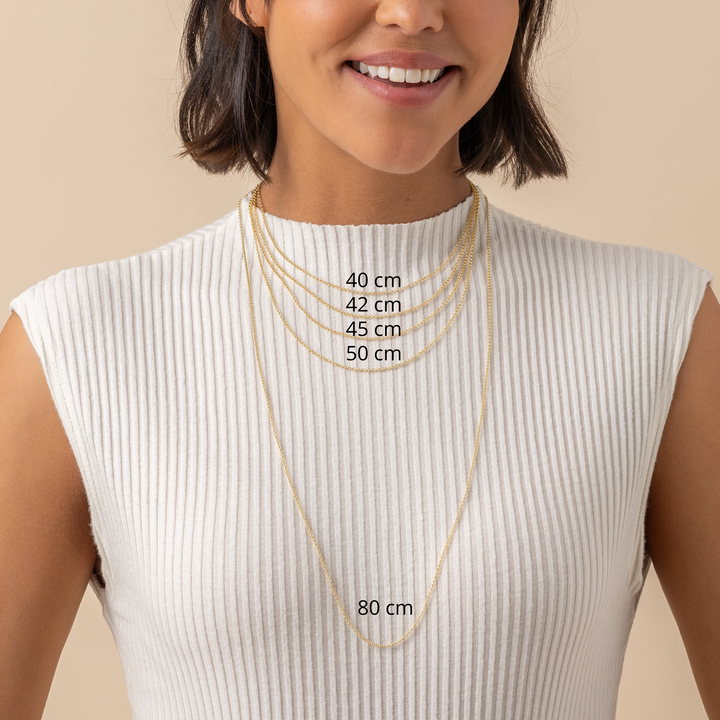
Necklace length guide