
€ 215


Still questions? Contact us
Foot anatomy necklace | gold vermeil
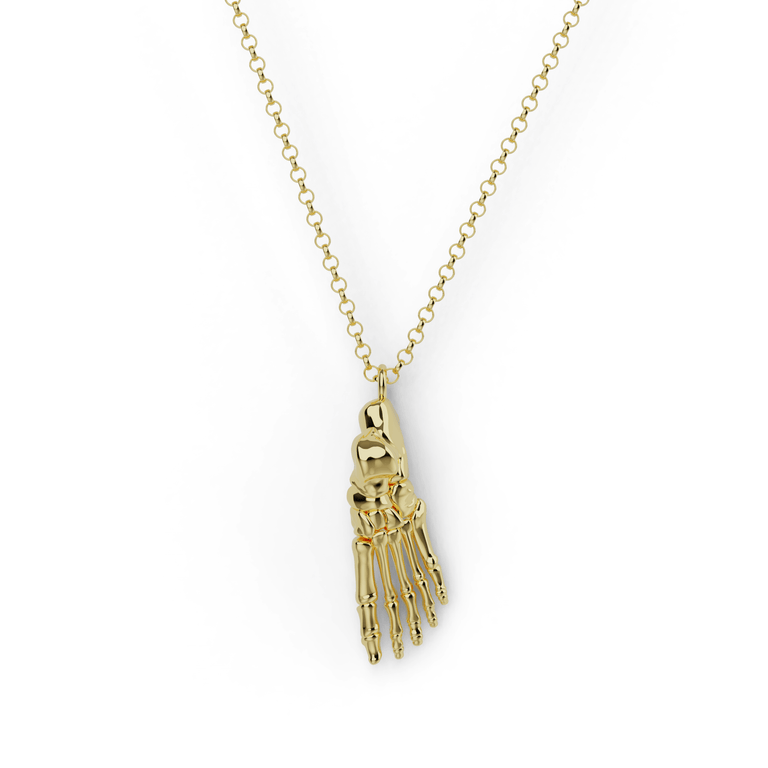
The first time a podiatry resident traces the 26 bones of the foot in dissection, the structure usually feels excessive. Twenty-six bones for one body part. Then they spend a few months treating runners, dancers, and elderly patients with falls, and the architecture starts to make sense. This 32 mm pendant in 18K gold vermeil renders that architecture.
The Science Behind the Foot
The human foot contains 26 bones (28 if you count the sesamoids), 33 joints, and over 100 muscles, tendons, and ligaments. The skeleton splits into the tarsal bones at the ankle (talus, calcaneus, navicular, cuboid, three cuneiforms), the five metatarsals running down the midfoot, and the 14 phalanges in the toes. Three arches (medial longitudinal, lateral longitudinal, transverse) distribute load across these bones during stance and gait. The plantar fascia spans the medial arch and is one of the most commonly inflamed structures in adult foot pain. Bipedal walking imposes loads of two to three times body weight on each foot during normal gait, and ten times body weight during running.
Worn By
Clinicians and athletes whose work or lives centre on the foot.
- podiatrists and foot-and-ankle orthopaedic surgeons
- physiotherapists and sports medicine specialists
- runners, dancers, and athletes with personal foot history
- medical and physiotherapy students past the lower-limb anatomy block
Explore Related Human Anatomy Jewelry
- Foot anatomy necklace | silver
- Scapula-clavicle necklace | silver
- Elbow necklace | silver
- Aorta necklace | gold vermeil
- Inner ear anatomy necklace | silver
Frequently Asked Questions
What does the pendant show?
The full bony anatomy of the foot in lateral or medial view, simplified for jewelry scale: tarsal bones, metatarsals, and phalanges in their anatomical positions. The geometry follows a textbook orthopaedic illustration rather than an abstract foot silhouette.
Gold or silver?
Same 32 mm pendant, same chain length, same anatomy, also in sterling silver. Choose the finish the recipient already wears. Both versions carry the same design and the same meaning.
What are the specs and what is the return policy?
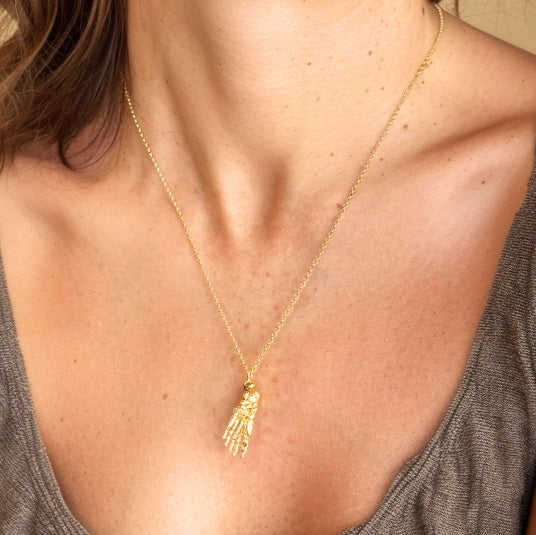
18K gold vermeil with sterling silver core and 2.5 micron gold plating, 32 mm pendant, 45 cm chain with a 5 cm extender. Nickel-free and hypoallergenic. Ships free worldwide via DHL Express in 1-5 business days, with all import duties and taxes covered. 30-day “Love It or Return It” returns.
Is this also available in silver?
Yes. The same 32 mm foot anatomy pendant is available in 925 sterling silver at the same size and chain length.

Human Anatomy
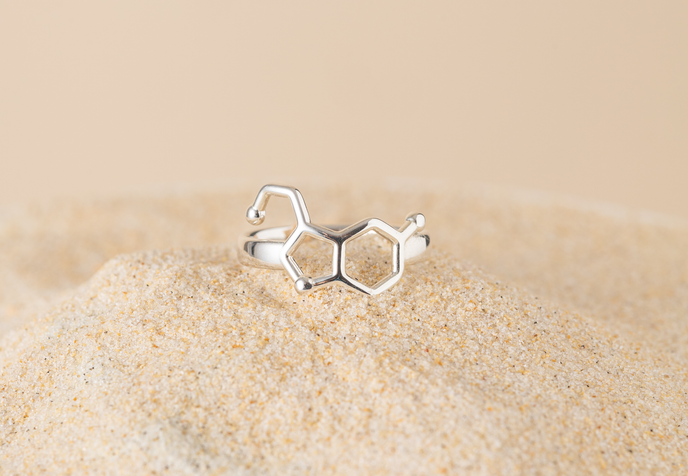
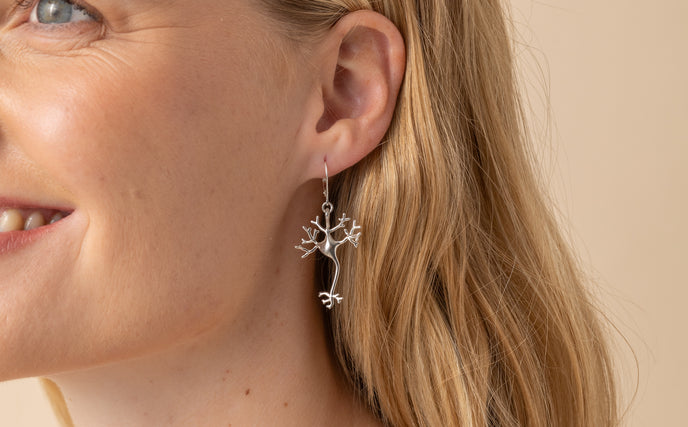
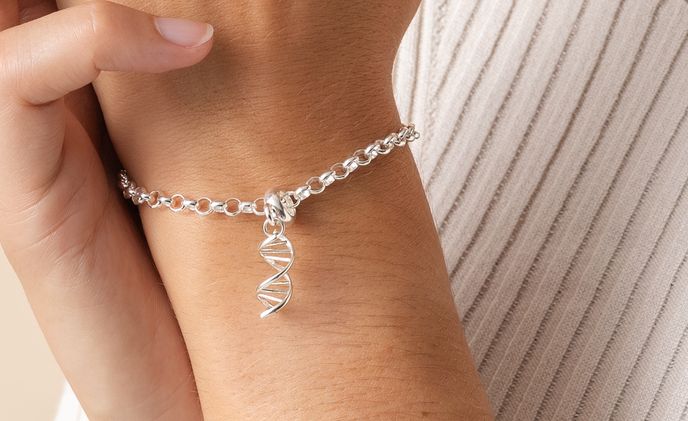
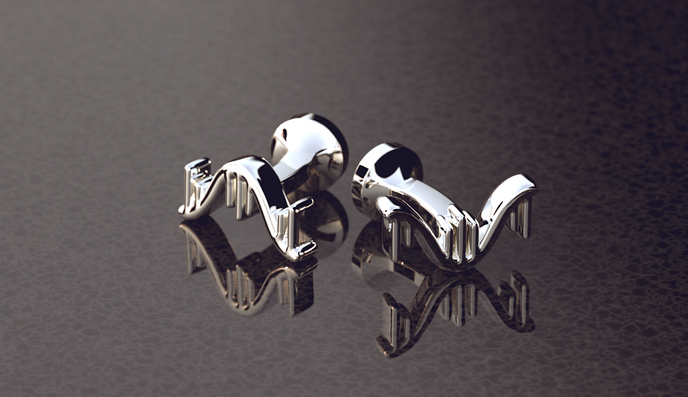
Anatomical wonders have never been so elegantly articulated. Our anatomical collection embodies the intricate and awe-inspiring structures that make us who we are. From DNA double helices to neuronal networks, our pieces don't merely imitate—they interpret. The collection serves as a tangible tribute to the hidden beauty within us all, elevating the realms of biology and medicine into wearable art. With exquisite attention to detail, each piece is a dialogue between form and function, revealing the enigmatic eloquence of the human body.
Find your perfect fit: measure an Existing Ring
Finding out your ring size at home is a simple process and can help you shop for jewelry online with confidence.
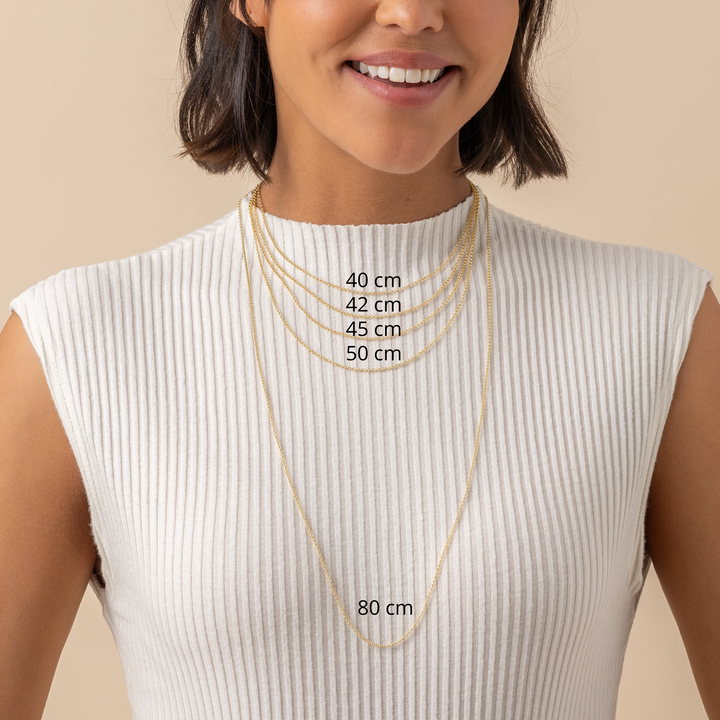
Necklace length guide