€ 305


Still questions? Contact us
Limbic system necklace | sterling silver
For the people who study how memory consolidates, how fear is processed, and how motivated behaviour gets organised, all of that runs through the same set of structures buried under the cortex. The limbic system is the working anatomy of clinical psychiatry, of memory research, and of most modern affective neuroscience. This 27 mm sterling silver pendant carries that anatomy.
The Anatomy of the Limbic System
The limbic system is a functionally connected network rather than a single structure. The hippocampus consolidates short-term memories into long-term ones and supports spatial navigation. The amygdala handles fear processing, emotional memory, and threat detection. The cingulate cortex contributes to attention, pain processing, and emotional regulation. The hypothalamus governs homeostasis and the HPA axis. The fornix carries hippocampal output. The Papez circuit (hippocampus, mammillary bodies, anterior thalamus, cingulate cortex, and back) was the classical model of emotional memory circuitry. Disruption of the hippocampus produces anterograde amnesia. Disruption of the amygdala alters fear responses dramatically. Most psychiatric medications act somewhere in this network.
Who Tends to Wear This
- neuroscientists studying memory, emotion, or motivated behaviour
- psychiatrists and clinical psychologists
- pharmacologists working on anxiolytics, antidepressants, or addiction medicine
- medical students who have just sat the neuroanatomy exam
Worn most often by people whose work centres on the emotional and motivational architecture of the brain, rather than its sensory or motor systems.
Explore Related Human Anatomy Jewelry
- Ventricular system necklace | silver
- Brain necklace | silver
- Brain necklace | gold vermeil
- Circle of Willis necklace | silver
- Spindle neuron necklace | silver
FAQ
Why does the limbic system land for psychiatrists in particular?
Because most psychiatric conditions track to dysregulation somewhere in this network. Depression and anxiety involve the amygdala and the HPA axis. PTSD and addiction involve the amygdala and the hippocampus. Mood disorders cycle through hypothalamic and cingulate circuits. A pendant of the limbic system reads as a quiet recognition of where the work happens, on the brain side rather than the behaviour side. Clinical psychologists working at the neuroscience-informed end of the field react the same way.
What is the relationship between the hippocampus and memory?
The hippocampus is required for the conversion of short-term memories into long-term ones, a process called consolidation. People with bilateral hippocampal damage cannot form new explicit memories, although their working memory and existing long-term memories remain intact. The classic clinical example is patient HM, whose case in the 1950s established the hippocampus as central to memory formation. The hippocampus is also critical for spatial navigation, demonstrated in the place cell and grid cell work that earned a Nobel in 2014.
What size is the pendant and what is the return policy?
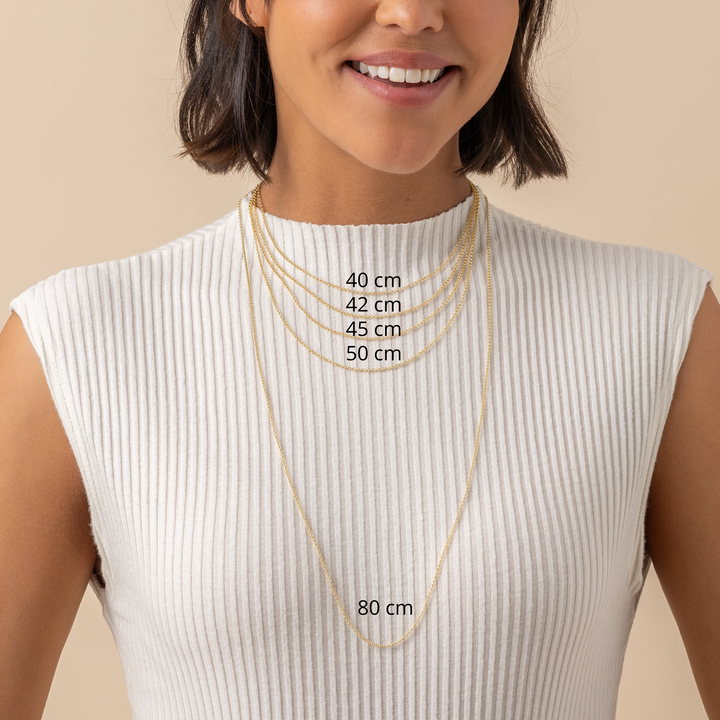
925 sterling silver, 27 mm pendant on a 45 cm sterling silver chain with a 5 cm extender. Nickel-free and hypoallergenic. Free worldwide DHL Express in 1-5 business days, with all import duties and taxes covered. 30-day “Love It or Return It” returns.
Are other parts of the brain available as separate pendants?
The full brain is available as a sterling silver and a gold vermeil necklace, both rendered as the cortical surface. The ventricular system is a separate pendant covering the inner CSF anatomy. The Circle of Willis covers the cerebral arterial supply, and the spindle neuron pendant covers a specific neuron type involved in social cognition.

Human Anatomy
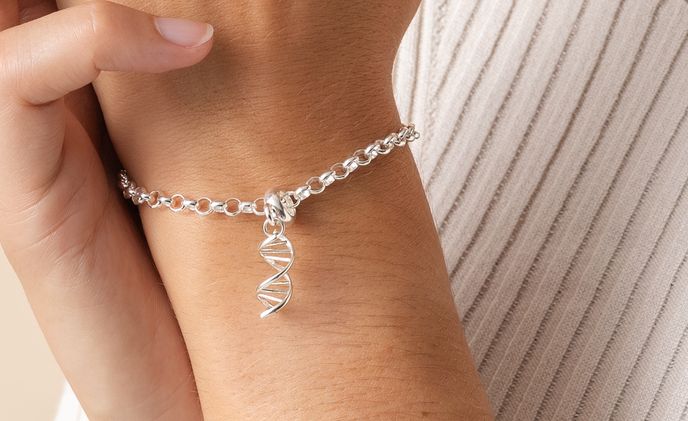
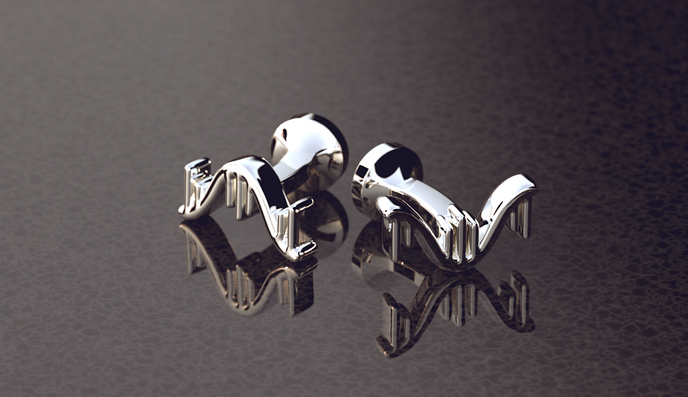
Anatomical wonders have never been so elegantly articulated. Our anatomical collection embodies the intricate and awe-inspiring structures that make us who we are. From DNA double helices to neuronal networks, our pieces don't merely imitate—they interpret. The collection serves as a tangible tribute to the hidden beauty within us all, elevating the realms of biology and medicine into wearable art. With exquisite attention to detail, each piece is a dialogue between form and function, revealing the enigmatic eloquence of the human body.
Find your perfect fit: measure an Existing Ring
Finding out your ring size at home is a simple process and can help you shop for jewelry online with confidence.
Necklace length guide