€ 190


Still questions? Contact us
thoracic vertebra necklace | sterling silver
A thoracic vertebra necklace for spine surgeons, anatomists, and anyone who has spent time learning the small differences between cervical, thoracic, and lumbar segments. The middle of the spinal column, where every rib meets the spine, in sterling silver.
The Anatomy of the Thoracic Vertebra
There are twelve thoracic vertebrae, T1 to T12, and each one carries a pair of ribs. The defining anatomical feature is the costal facets: small articular surfaces on the vertebral body and transverse process where the rib head and tubercle meet the spine. Thoracic vertebrae have heart-shaped bodies, long downward-sloping spinous processes, and orient their facet joints in a way that allows rotation but limits flexion. This is why thoracic spine fractures behave differently from lumbar ones, and why thoracic disc herniations are rare. The segment was central to the work of early spinal surgeons including Paul Harrington, whose 1962 instrumentation system reshaped scoliosis treatment.
A Meaningful Gift for Science Lovers
For the people who recognise this segment of the spine on sight, and who know why it matters.
- orthopedic and spine surgeons
- radiologists who read spine imaging
- physiotherapists working on the thoracic spine
- anatomy and medical students who memorised the costal facets
For the surgeon who can spell ankylosing spondylitis without thinking about it.
Explore Related Human Anatomy Jewelry
- Thoracic vertebra necklace | gold vermeil
- Cervical vertebra necklace | gold vermeil
- Spine necklace | silver
- Sphenoid bone necklace | silver
FAQ
Will a spine surgeon actually wear this?
The piece reads as anatomy first, jewelry second, which is the right register for surgeons and clinicians. It works as a residency completion gift, a fellowship congratulations, or a thank-you to someone who has spent years on backs. The vertebra is small enough on the chain to wear under a clinical coat without distraction.
How can you tell a thoracic vertebra from a cervical or lumbar one?
The clearest tell is the costal facets, since only thoracic vertebrae articulate with ribs. The body is heart-shaped, smaller than a lumbar body but larger than a cervical one, and the spinous process points sharply downward (almost overlapping the next vertebra below). Cervical vertebrae have transverse foramina for the vertebral arteries. Lumbar vertebrae have large kidney-shaped bodies and lack rib facets entirely.
What are the materials and chain details?
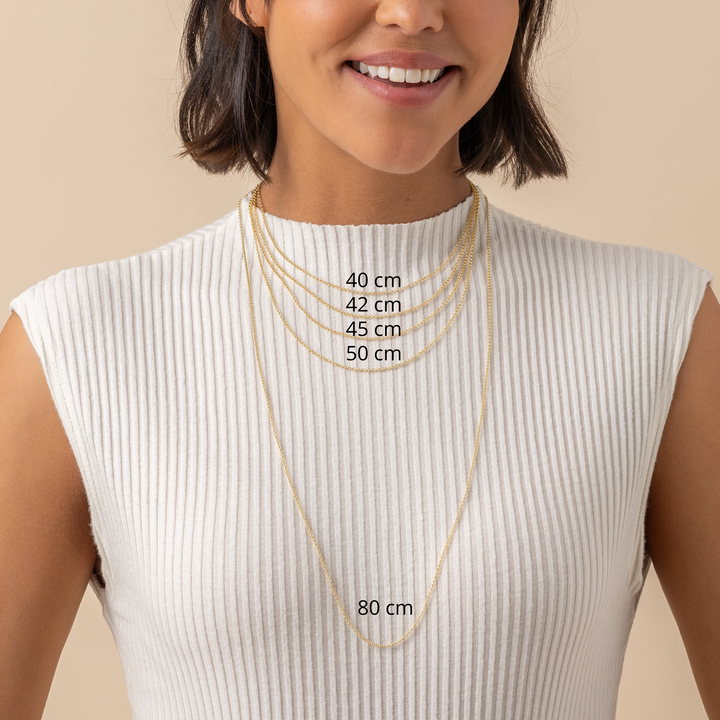
925 polished sterling silver, nickel-free and hypoallergenic. The pendant is 24 mm tall. It comes on a 45 cm sterling silver chain (ø 1.8 mm) with a lobster clasp and 5 cm extender. Ships free worldwide via DHL Express within 1-5 business days, with import duties and taxes fully covered.
Is there a gold version?
Yes, the same design is available in 18k gold vermeil for a warmer tone. Both versions ship in a ready-to-gift jewelry box and are covered by the 30-day Love It or Return It policy.

Human Anatomy
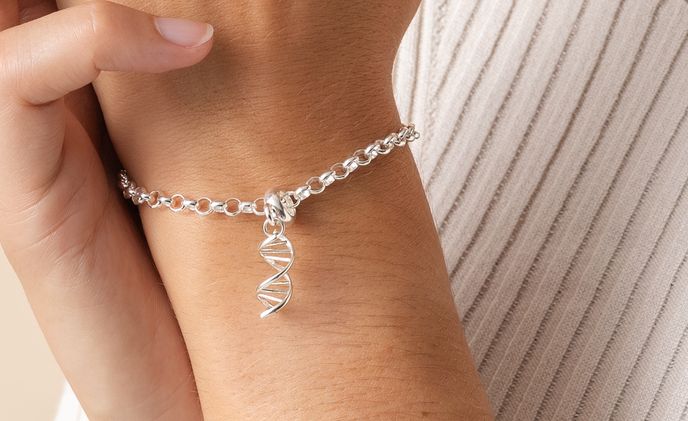
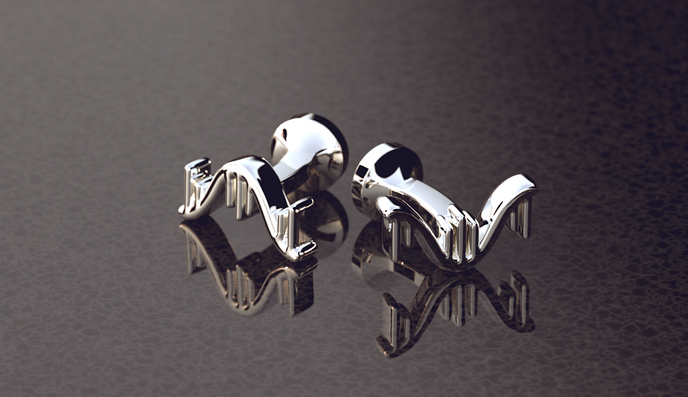
Anatomical wonders have never been so elegantly articulated. Our anatomical collection embodies the intricate and awe-inspiring structures that make us who we are. From DNA double helices to neuronal networks, our pieces don't merely imitate—they interpret. The collection serves as a tangible tribute to the hidden beauty within us all, elevating the realms of biology and medicine into wearable art. With exquisite attention to detail, each piece is a dialogue between form and function, revealing the enigmatic eloquence of the human body.
Find your perfect fit: measure an Existing Ring
Finding out your ring size at home is a simple process and can help you shop for jewelry online with confidence.
Necklace length guide