€ 175


Still questions? Contact us
Sphenoid bone necklace | sterling silver
The sphenoid is a single bone that articulates with every other cranial bone, forms part of the floor of the cranium, and houses the pituitary gland in its superior fossa, the sella turcica. It is among the most structurally complex bones in the human body.
The Anatomy of the Sphenoid Bone
The sphenoid sits at the base of the skull and articulates with all the other cranial bones. It has a central body, two greater wings, two lesser wings, and two pterygoid processes. The body holds the sphenoid sinuses and, on its superior surface, the sella turcica that seats the pituitary gland. The superior orbital fissure between the greater and lesser wings transmits cranial nerves III, IV, V1, and VI into the orbit, making it a major surgical landmark for skull-base and ENT surgery. The butterfly form is one of the first patterns most anatomy students learn to identify.
Who Tends to Wear This
The wearer is usually someone with their hands close to the skull base:
- neurosurgeons and skull-base surgeons working in the sella region
- ENT surgeons operating in the sphenoid sinus
- endocrinologists managing pituitary disease
- anatomists and medical students mid-cranial dissection
- ophthalmologists who think of the optic canal in sphenoid terms
Strong as a milestone gift in pituitary surgery training, or as a quiet specialist piece for someone whose practice runs through the sella turcica.
Explore Related Human Anatomy Jewelry
- Skull necklace | silver
- Skull necklace | gold vermeil
- Mandible necklace | silver
- Atlas necklace | silver
FAQ
Is this specific enough for a neurosurgeon?
Yes. The sphenoid is the access bone for transsphenoidal pituitary surgery and a major landmark in skull-base operations. Anyone working in the sella region recognises it on sight. The piece reads as field-specific rather than generic anatomy and lands well with neurosurgeons, skull-base surgeons, and ENT surgeons whose practice runs through the area.
What makes the sphenoid clinically important?
Two reasons. It articulates with every other cranial bone, so fractures involving it can extend in many directions. And it cradles the pituitary gland in the sella turcica, which puts it at the centre of pituitary surgery, endocrine disease, and the differential for visual field defects from chiasm compression.
What is the size, material, and chain?
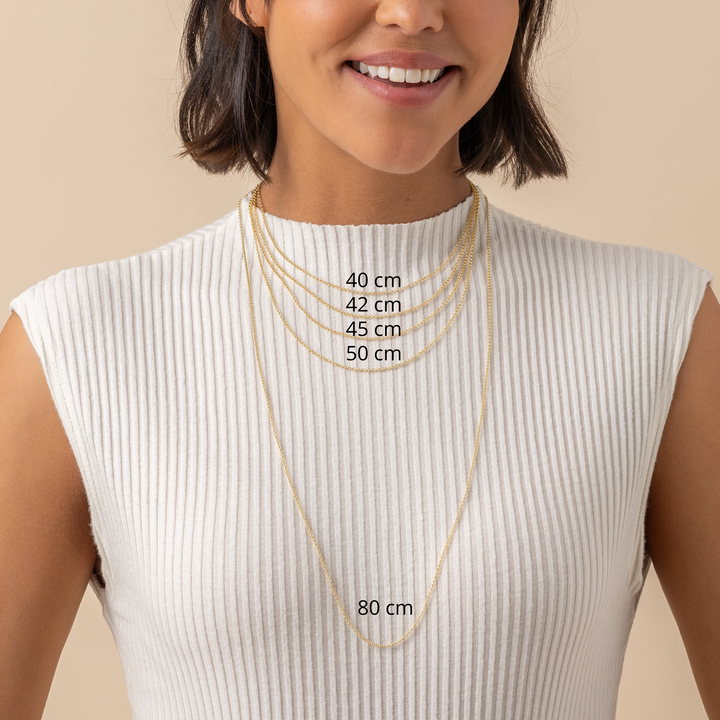
24 mm pendant in 925 sterling silver, nickel-free. 45 cm sterling silver chain with a 5 cm extender. Ships free worldwide via DHL Express in 1-5 business days, with all import duties prepaid. Comes in a ready-to-gift jewelry box with the 30-day “Love It or Return It” policy.
Is there a gold version?
No gold version of the sphenoid in the active catalog. The silver version is the standard. Other skull and cranial-bone designs are available in gold vermeil if a warmer-tone piece is wanted as a paired gift.

Human Anatomy
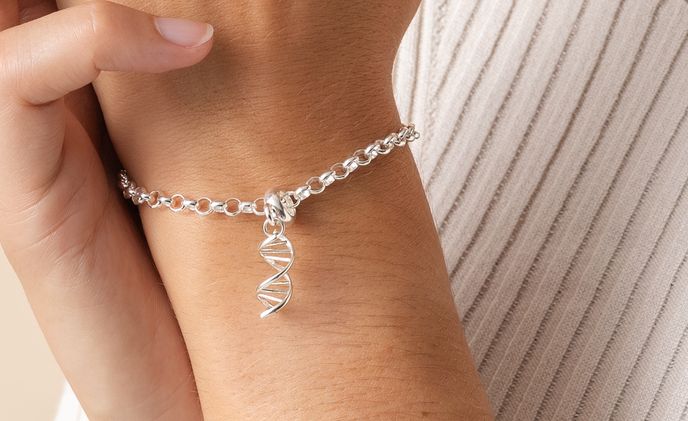
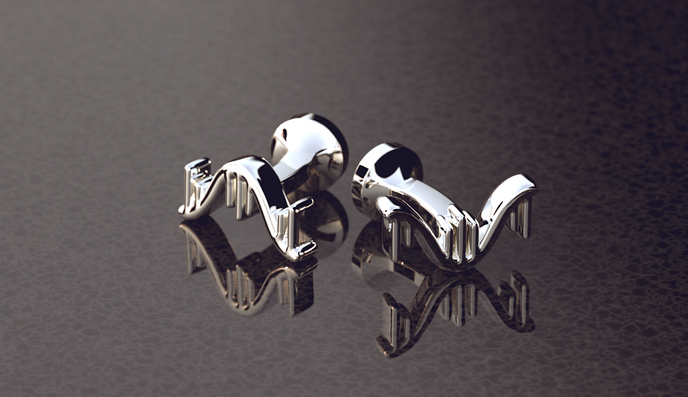
Anatomical wonders have never been so elegantly articulated. Our anatomical collection embodies the intricate and awe-inspiring structures that make us who we are. From DNA double helices to neuronal networks, our pieces don't merely imitate—they interpret. The collection serves as a tangible tribute to the hidden beauty within us all, elevating the realms of biology and medicine into wearable art. With exquisite attention to detail, each piece is a dialogue between form and function, revealing the enigmatic eloquence of the human body.
Find your perfect fit: measure an Existing Ring
Finding out your ring size at home is a simple process and can help you shop for jewelry online with confidence.
Necklace length guide