€ 160


Still questions? Contact us
antibody studs | sterling silver
If you can recognize the Y shape from across a lab, these studs are for you. The antibody: two heavy chains, two light chains, a binding site at each arm tip that knows its antigen and nothing else. Peer recognition in miniature.
The Science Behind the Antibody
Antibodies (immunoglobulins) are Y-shaped proteins composed of two heavy and two light chains, with hypervariable complementarity-determining regions (CDRs) at the Fab tips that bind specific antigens with exquisite shape and charge complementarity. The Fc stem region recruits immune effector functions (phagocytosis, complement activation, natural killer cell binding). Five isotypes (IgG, IgM, IgA, IgD, IgE) have different tissue distributions and effector capacities. Köhler and Milstein's 1975 monoclonal antibody technology (Nobel 1984) enabled the production of pure antibody populations and launched therapeutic monoclonal antibodies as a category. Today, monoclonal antibodies are among the most successful drug classes in medicine.
The Audience
- immunologists and cell biologists
- antibody researchers and monoclonal antibody developers
- allergy and infectious disease specialists
- anyone running ELISA or working in flow cytometry
Explore Related Cellular Biology Jewelry
- Antibody necklace | silver
- Macrophage studs | silver
- Antibody studs | gold vermeil
- Nucleosome studs | silver
FAQ
What makes antibody binding so specific?
The three complementarity-determining regions on each heavy and light chain create a binding pocket that recognizes its antigen with extraordinary specificity. Cross-reactivity is rare. This lock-and-key fit is what makes antibodies so powerful as research tools and therapeutic agents.
Who wears antibody studs?
Immunologists, lab scientists, biomedical researchers, anyone who has spent hours optimizing an antibody panel or explaining why one monoclonal antibody blocks a target while another doesn't. For them, this is immediate peer recognition.
What are the size and material?
15 x 12 mm ear nuts in 925 sterling silver, nickel-free and hypoallergenic. High-polish finish. Comes in a ready-to-gift, eco-friendly jewelry box with the 30-day “Love It or Return It” policy. Free worldwide DHL Express shipping (1-5 business days). All import duties and taxes covered by Science Jewelry 18:24.
Can I return them?
Yes. All jewelry is covered by a 30-day return policy. If the fit doesn't work or you change your mind, we will help you find another option or process a return. Contact us for next steps.
FAQ
What makes antibody binding so specific?
The three complementarity-determining regions on each heavy and light chain create a binding pocket that recognizes its antigen with extraordinary specificity. Cross-reactivity is rare. This lock-and-key fit is what makes antibodies so powerful as research tools and therapeutic agents.
Who wears antibody studs?
Immunologists, lab scientists, biomedical researchers, anyone who has spent hours optimizing an antibody panel or explaining why one monoclonal antibody blocks a target while another doesn't. For them, this is immediate peer recognition.
What are the size and material?
15 x 12 mm ear nuts in 925 sterling silver, nickel-free and hypoallergenic. High-polish finish. Comes in a ready-to-gift, eco-friendly jewelry box with the 30-day “Love It or Return It” policy. Free worldwide DHL Express shipping (1-5 business days). All import duties and taxes covered by Science Jewelry 18:24.
Can I return them?
Yes. All jewelry is covered by a 30-day return policy. If the fit doesn't work or you change your mind, we will help you find another option or process a return. Contact us for next steps.
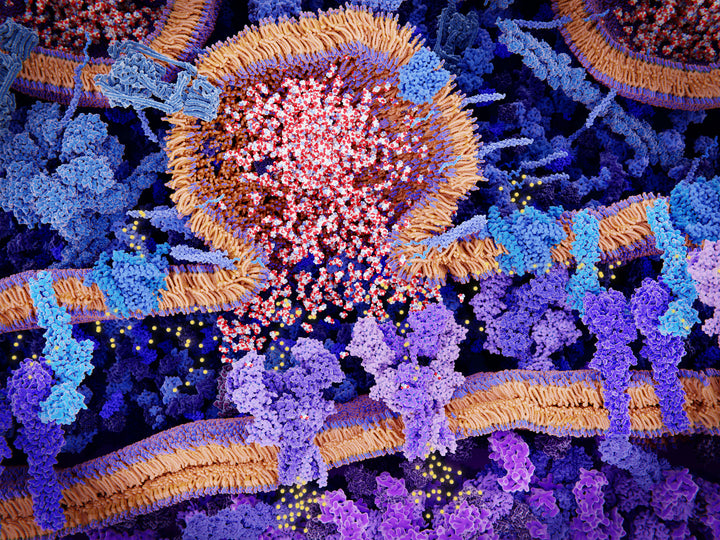
Cellular Biology
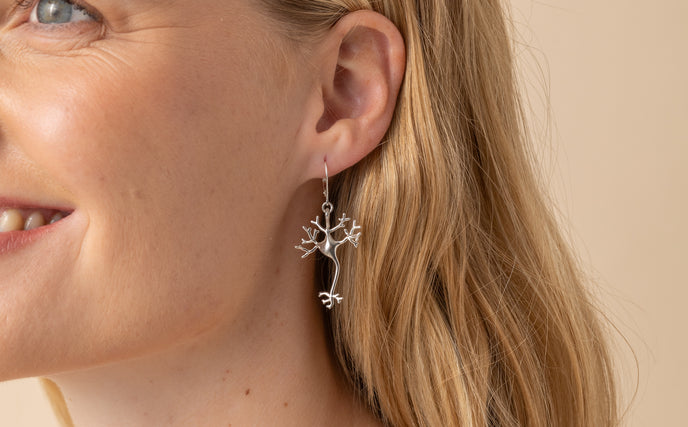
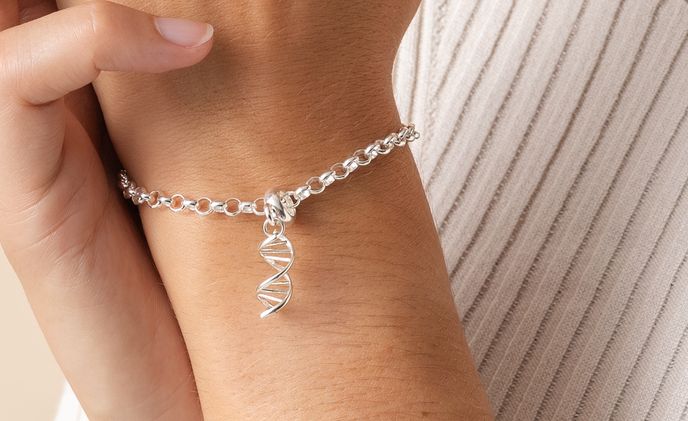
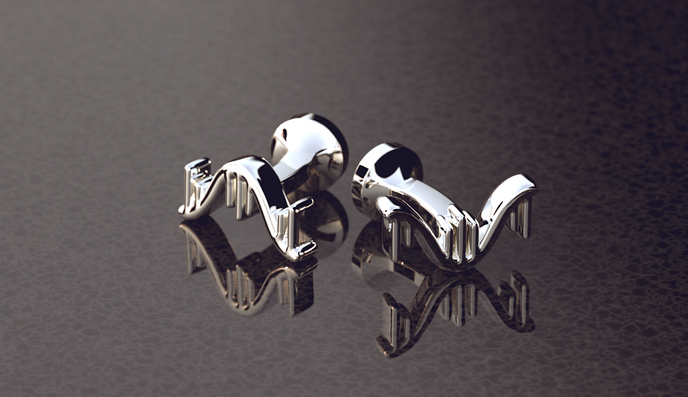
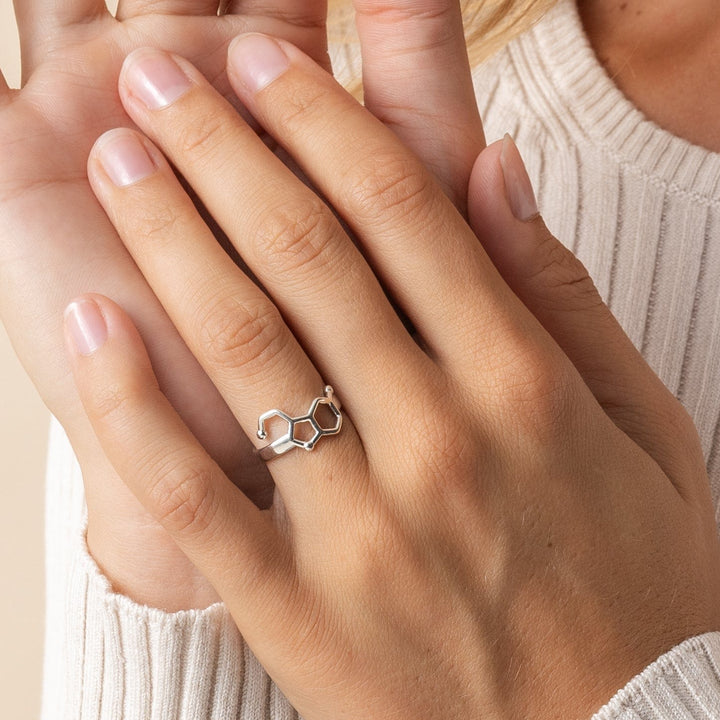
Step into the fascinating world of cellular biology through our unique jewelry designs. These pieces serve as wearable reflections of life's microscopic wonders, capturing the aesthetics of DNA strands, cellular formations, and more. Far from simple adornments, they spark dialogue and honor the captivating complexities found within biological research. Merging scientific accuracy with artistic flair, each creation offers a tactile experience that bridges the gap between scientific inquiry and aesthetic appreciation.
Find your perfect fit
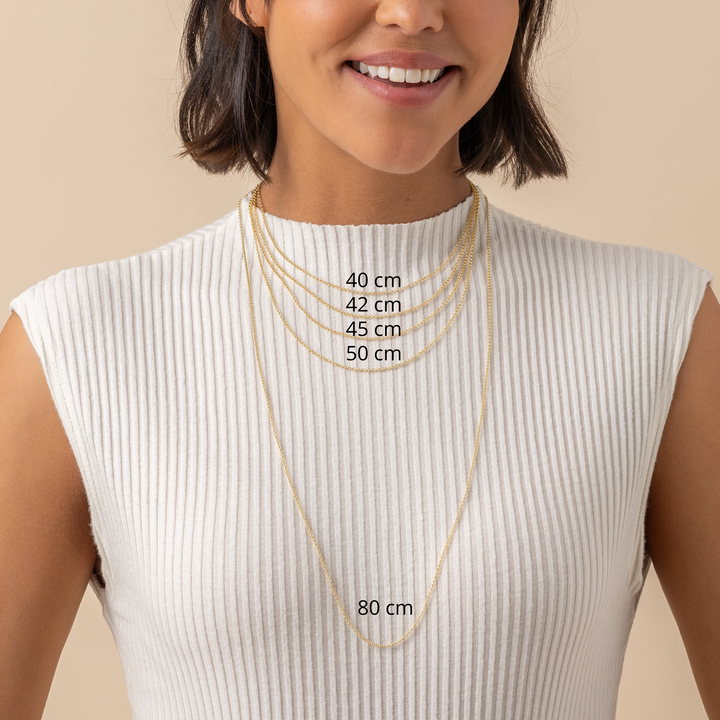
Necklace length guide