€ 200


Still questions? Contact us
Antibody studs | 18K gold vermeil
The idea is simple to wear: an antibody, one of the proteins your immune system makes when it meets an infection, on each ear. Keep these gold vermeil antibody stud earrings for yourself, or give them to a woman whose work is with antibodies.
Who It's For
- a colleague in immunology or microbiology
- a biomedical science student
- yourself, for every day
- someone who wears gold more often than silver
Laura W. on the silver pair: “A great idea, well realised.” Kaitlin L., also on silver: “Really happy with these.”
Same Target, New Class
Every B cell starts out making IgM, with some IgD on its surface. Once it has met its target, usually with signals from a helper T cell, it can switch to making IgG, IgA or IgE instead. The switch leaves the binding site as it was, so the new antibody grips the same target. What changes is the constant part of the heavy chain, and with it the class. Chemical messengers around the cell help steer the choice: IL-4 favours IgE, TGF-beta favours IgA. To switch, the cell cuts out its old constant gene and the DNA up to the new one, so it can never go back to making IgM. Immunologists call this class switching.
Explore Related Immunology Jewelry
- antibody studs | silver
- antibody earrings | gold vermeil
- antibody necklace | gold vermeil
- IgM necklace | silver
FAQ
How big are they, and how do they stay in?
Each stud is 15 × 12 mm (0.59 × 0.47 inches). The long side is 1.25 mm short of a 1-euro-cent coin (16.25 mm) and almost 3 mm short of a US dime (17.91 mm), generous for a stud. A post goes through the earlobe and an ear nut holds it at the back, so the stud sits flat on the lobe. Gold vermeil is 2.5 microns of 18K gold over solid sterling silver, nickel-free and hypoallergenic. Take them off for swimming to keep the gold bright.
Is there a silver pair, and what matches in gold?
Yes. The same antibody studs come in sterling silver, also 15 × 12 mm with ear nuts. Choose the finish the recipient already wears: the design is the same in both. In gold vermeil there are antibody earrings on leverback hooks (15 mm, not counting the hook) and an antibody necklace with a 15 mm pendant on a 45 cm chain and 5 cm extender.
Will they arrive in time, and what if they aren't right?
DHL Express delivers free in 1-5 business days worldwide, and we pay the import duties and taxes, so nothing is due at the door. They arrive in a ready-to-gift jewelry box and festive envelope. If they aren't right, our 30-day “Love It or Return It” policy applies to unworn earrings.
How does the body come up with the right antibody?
By selection, not instruction. Linus Pauling and others thought an antibody folded itself around the invader like a mould. In 1957 Macfarlane Burnet in Melbourne, building on Niels Jerne's idea, proposed the reverse: each cell is committed to one antibody before any invader arrives, and the invader picks out the cells that fit and makes them multiply. David Talmage reached a similar idea that year. In 1958 Gustav Nossal and Joshua Lederberg tested single cells from rats immunised against two bacteria. Any cell making antibody made one or the other.
Cellular Biology
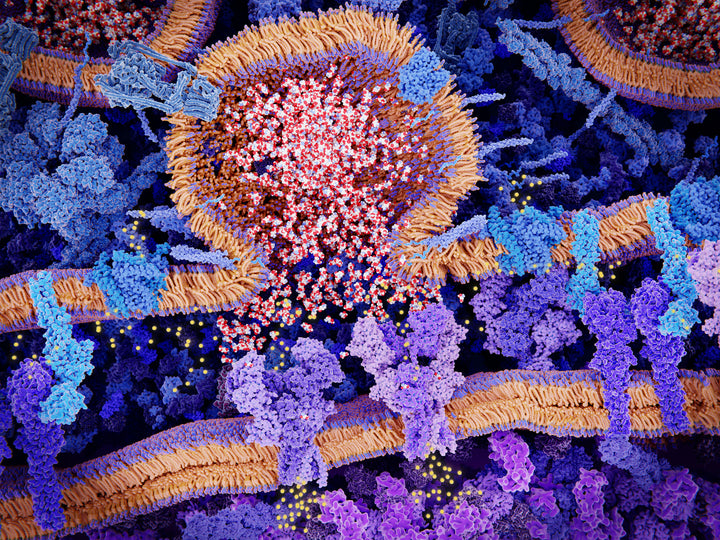
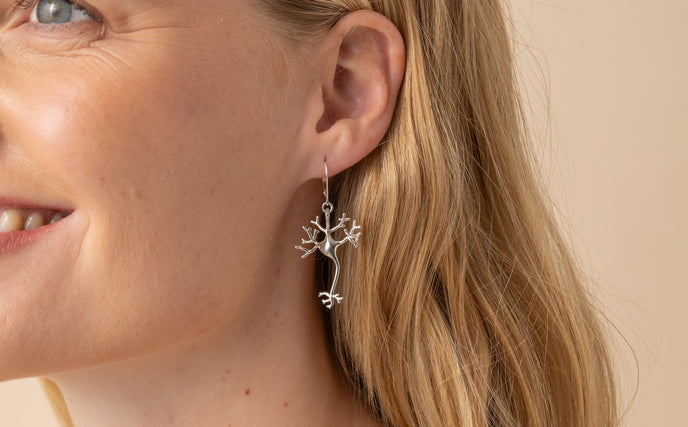
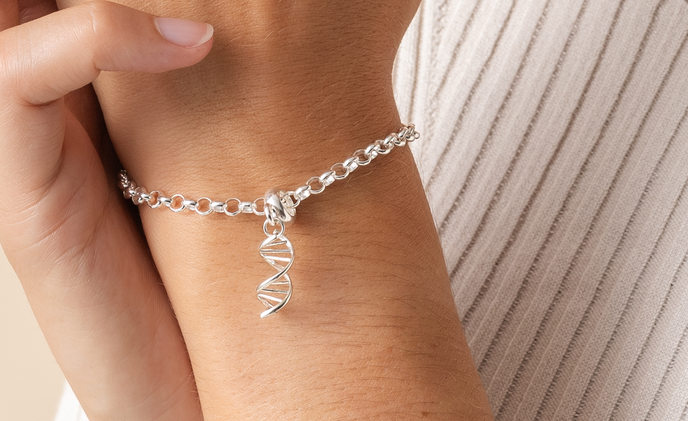
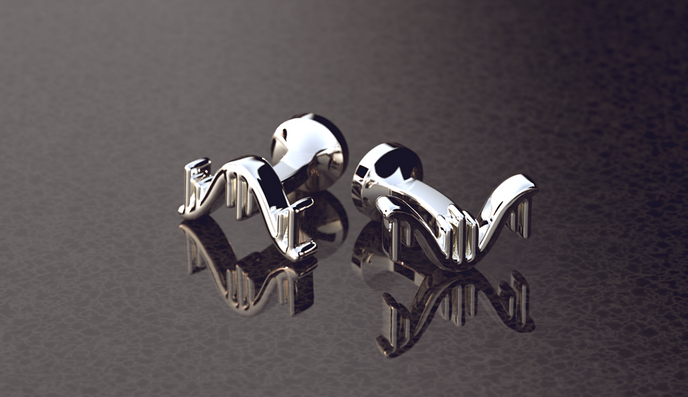
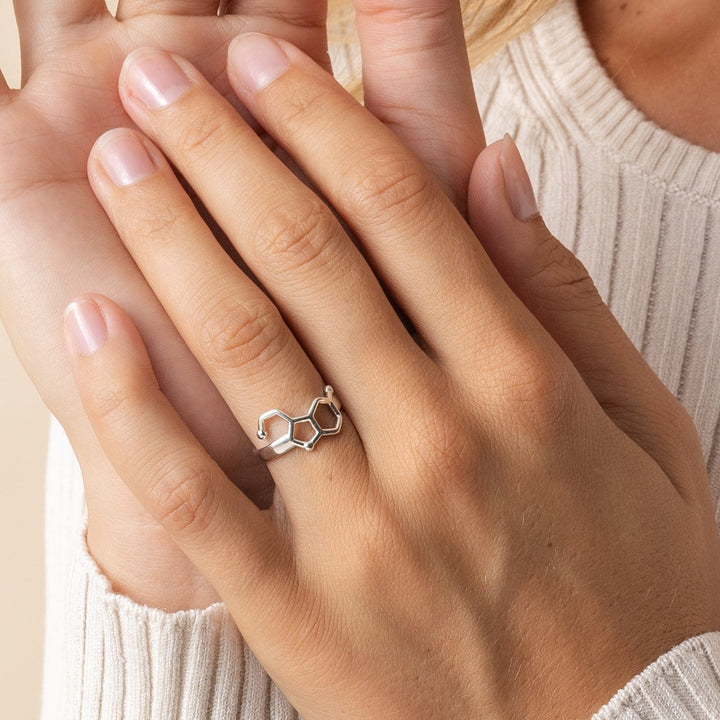
Step into the fascinating world of cellular biology through our unique jewelry designs. These pieces serve as wearable reflections of life's microscopic wonders, capturing the aesthetics of DNA strands, cellular formations, and more. Far from simple adornments, they spark dialogue and honor the captivating complexities found within biological research. Merging scientific accuracy with artistic flair, each creation offers a tactile experience that bridges the gap between scientific inquiry and aesthetic appreciation.
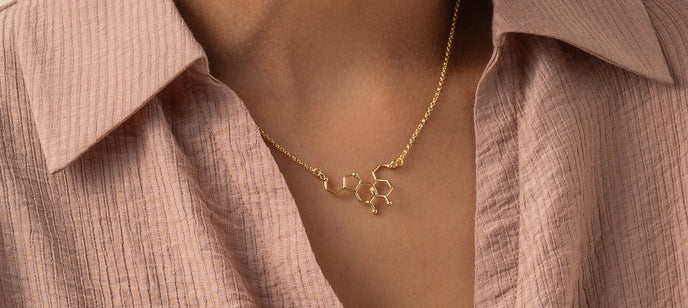
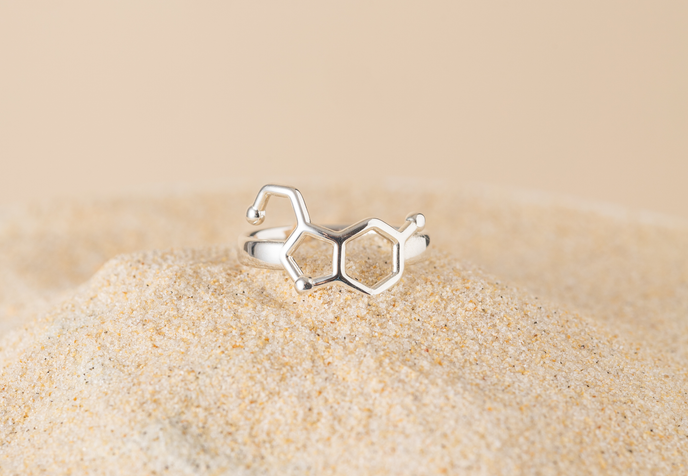
Find your perfect fit
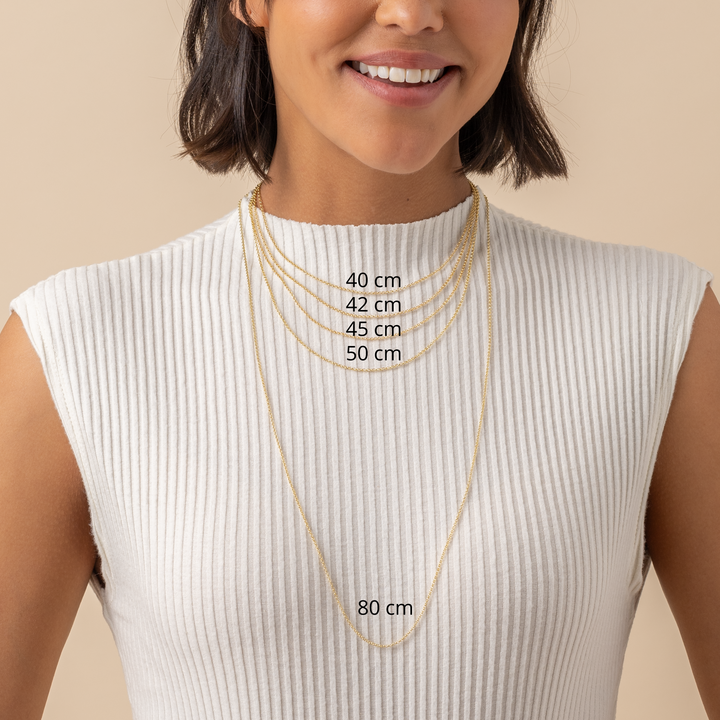
Necklace length guide