€ 200


Still questions? Contact us
Blastocyst necklace | 18k gold vermeil
Around day five of human development, the embryo makes its first specialised decision. Some cells become the placenta, others become the body. The blastocyst is what that decision looks like before anything else happens.
The Blastocyst in Development and IVF
The blastocyst forms five to six days after fertilisation, when the early embryo cavitates and resolves into two distinct cell populations: the trophoblast that will go on to form the placenta, and the inner cell mass that will form the embryo itself. In IVF, transferring at the blastocyst stage rather than at day three was a significant advance. It lets the lab select for embryos competent enough to reach this point before transfer. Pre-implantation genetic testing (PGT-A and PGT-M) is performed by biopsying a few trophoblast cells, which means the embryo proper is left intact while the placental precursor is sampled.
A Quiet Symbol For
The audience is fewer specialists than you'd expect, plus a meaningful long tail:
- embryologists, IVF lab scientists, and reproductive endocrinologists
- developmental biologists working on stem cell or trophoblast biology
- geneticists who run PGT-A or PGT-M on a daily basis
- parents who reached this stage through IVF and want to remember it
Explore Related Developmental Biology Jewelry
- Blastocyst necklace | silver
- 4 cell embryo necklace | gold vermeil
- Embryo necklace | silver
- Fetus necklace | gold vermeil
FAQ
Will an embryologist actually appreciate this?
Most do. The blastocyst is the structure embryologists assess, score, and biopsy more than any other, and a piece that names that specific stage rather than "embryo" in general lands as more accurate. It also tends to be the favourite piece in the developmental biology range for clinic gifts.
Why does PGT biopsy the trophoblast and not the inner cell mass?
Because the trophoblast becomes the placenta, not the baby. Sampling a few cells from the trophectoderm gives enough DNA for genetic testing without touching the inner cell mass, which goes on to form the embryo itself. It's a deliberate split: the placental precursor is the part you can spare.
What's the size, material, and chain?
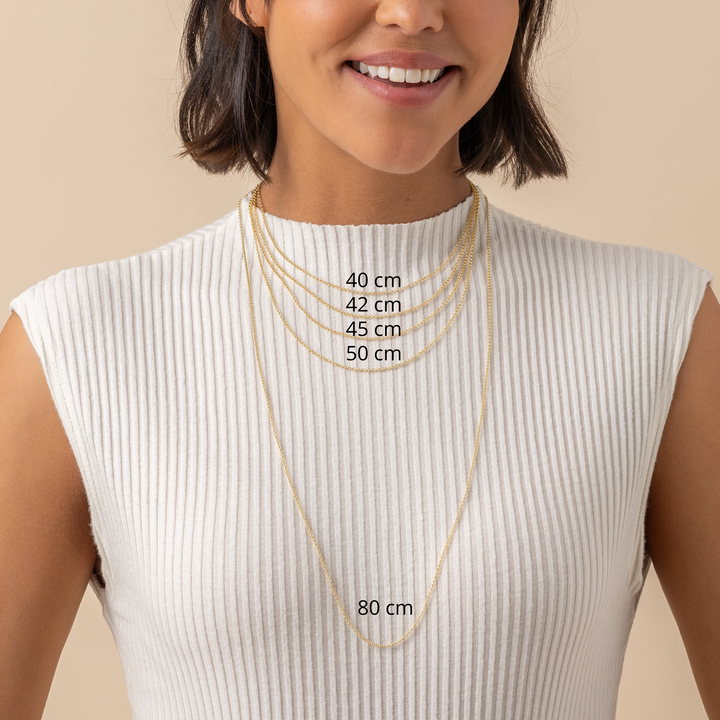
20 mm pendant in 18k gold vermeil over a sterling silver core, nickel-free. 45 cm chain with a 5 cm extender. Ships free worldwide via DHL Express in 1-5 business days, with all import duties prepaid. Comes in a ready-to-gift jewelry box with the 30-day "Love It or Return It" policy.
Same design as the silver blastocyst?
Yes. Same 20 mm size and same model. Material is the only difference.
Cellular Biology
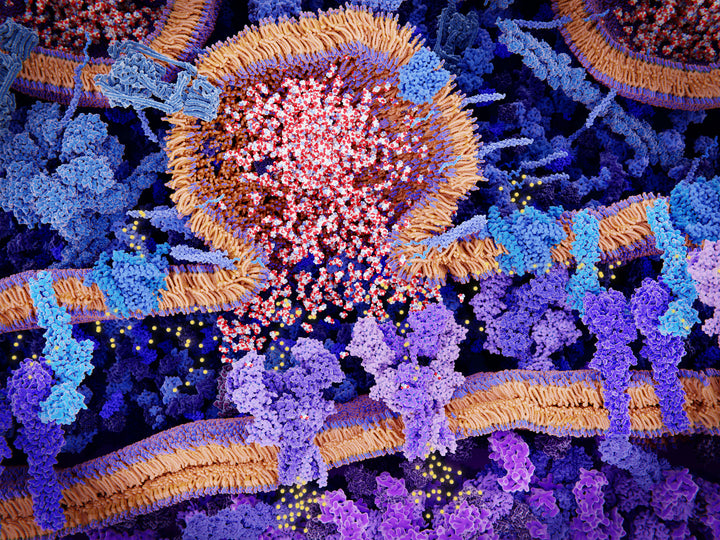
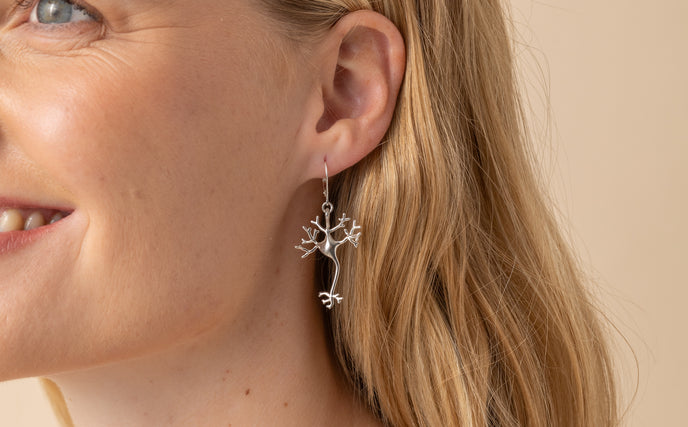
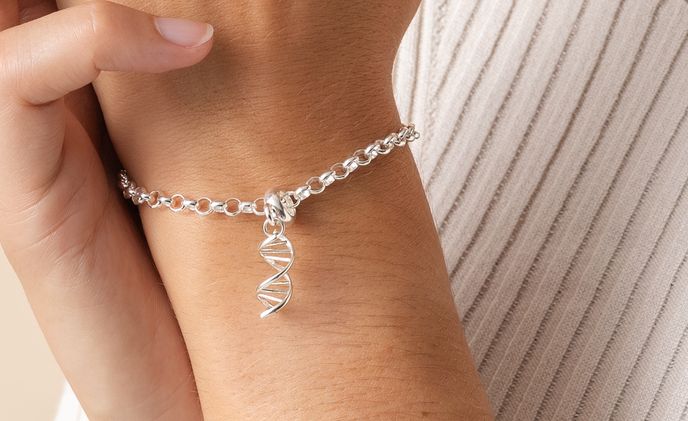
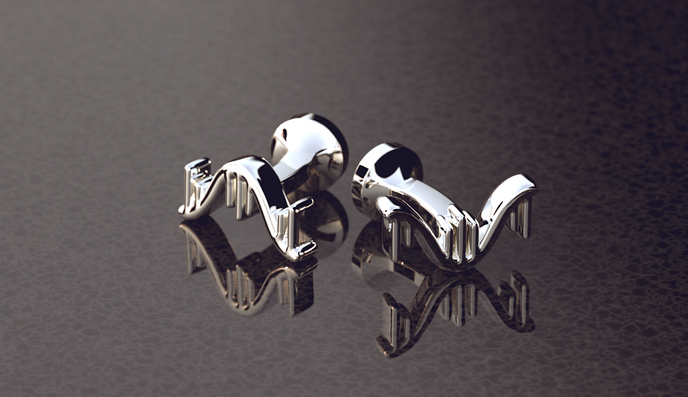
Step into the fascinating world of cellular biology through our unique jewelry designs. These pieces serve as wearable reflections of life's microscopic wonders, capturing the aesthetics of DNA strands, cellular formations, and more. Far from simple adornments, they spark dialogue and honor the captivating complexities found within biological research. Merging scientific accuracy with artistic flair, each creation offers a tactile experience that bridges the gap between scientific inquiry and aesthetic appreciation.
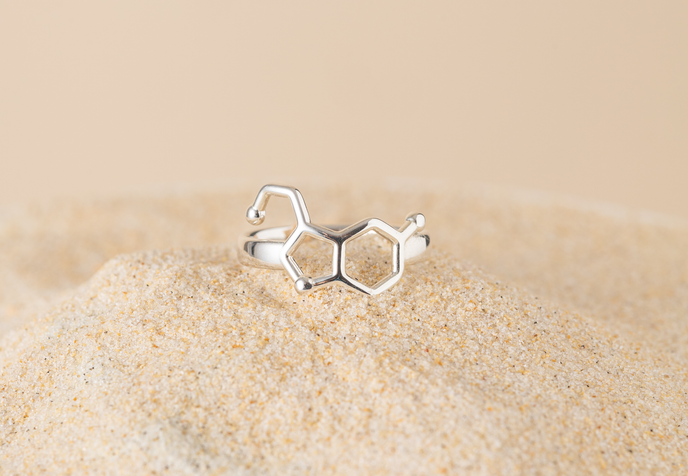
Find your perfect fit: measure an Existing Ring
Finding out your ring size at home is a simple process and can help you shop for jewelry online with confidence.
Necklace length guide