€ 205


Still questions? Contact us
Hand anatomy necklace | gold vermeil
27 bones, 34 muscles, 3 main nerves, two arterial arches, and the densest concentration of fine motor wiring in the body, all in a structure that fits inside a glove. The gold vermeil version is the same hand anatomy as the silver, in a warmer key.
The Anatomy of the Hand
The hand has 27 bones: 8 carpals at the wrist (scaphoid, lunate, triquetrum, pisiform, trapezium, trapezoid, capitate, hamate), 5 metacarpals in the palm, and 14 phalanges in the fingers (3 in each finger, 2 in the thumb). The intrinsic muscles of the hand are limited (mostly the thenar, hypothenar, lumbrical, and interosseous groups), most of the muscles that move the fingers originate in the forearm and reach the hand through long tendons. The median nerve supplies most of the thenar muscles and sensation to the palmar aspect of the lateral three-and-a-half digits. The ulnar nerve supplies most of the intrinsic hand muscles and sensation to the medial one-and-a-half digits. The radial nerve handles sensation on the dorsum and motor control to the wrist and finger extensors via its branches in the forearm. Blood supply comes through the superficial and deep palmar arches, fed by the radial and ulnar arteries. The whole arrangement is what makes the hand a separate surgical world.
A Quiet Symbol For
The audience is the same as the silver version:
- hand surgeons (orthopaedic and plastic) and microsurgeons
- occupational therapists and certified hand therapists
- physiotherapists working on upper-limb rehabilitation
- rheumatologists managing inflammatory hand disease
- family members marking a hand-fellowship completion or a long career in hand therapy
Explore Related Human Anatomy Jewelry
- Hand anatomy necklace | sterling silver
- Foot anatomy necklace | sterling silver
- Anatomical heart necklace | gold vermeil
FAQ
Same design as the silver hand?
Yes. Same 32 mm pendant, identical hand anatomy. Material is the only difference.
Why is hand surgery a separate subspecialty?
Because the anatomy is too dense to learn alongside everything else. The hand has more named structures per cubic centimetre than almost any other body region: 27 bones in a small space, three nerve territories with overlap, intrinsic muscles, extrinsic tendons running from the forearm, the carpal tunnel and Guyon's canal as compression points, the palmar arches, the flexor pulley system. Hand surgery sits between orthopaedics and plastic surgery because the bone work and the soft-tissue work are equally critical, and most repairs need both.
What is the size, material, and chain?
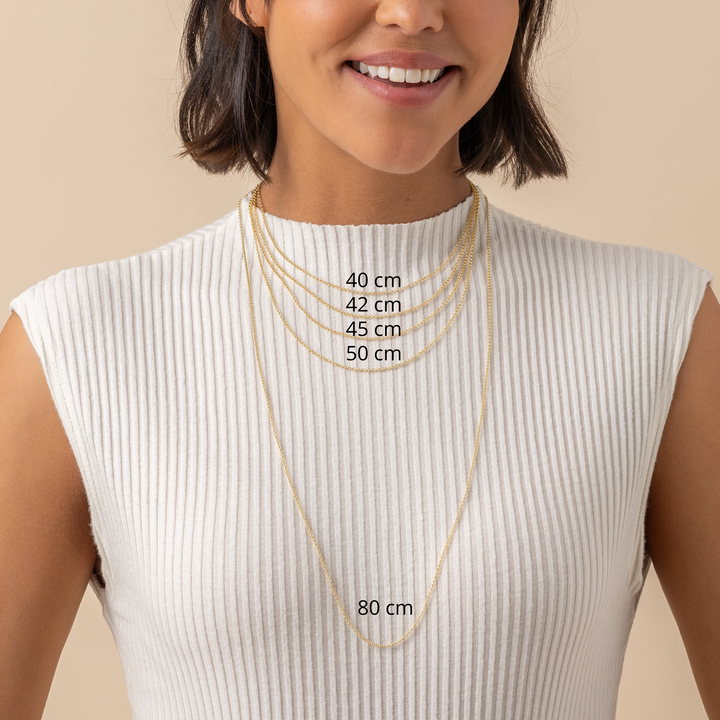
32 mm pendant in 18K gold vermeil (sterling silver core with 2.5 micron gold plating), nickel-free and hypoallergenic. 45 cm gold vermeil chain with a 5 cm extender. Ships free worldwide via DHL Express in 1-5 business days, with all import duties prepaid. Comes in a ready-to-gift jewelry box with the 30-day “Love It or Return It” policy.
Who is this usually given to?
Most often a hand-fellowship completion gift, a retirement gift after a long career in hand surgery or hand therapy, or a thank-you from a patient to a surgeon after a successful complex repair (replantation, nerve graft, tendon reconstruction).
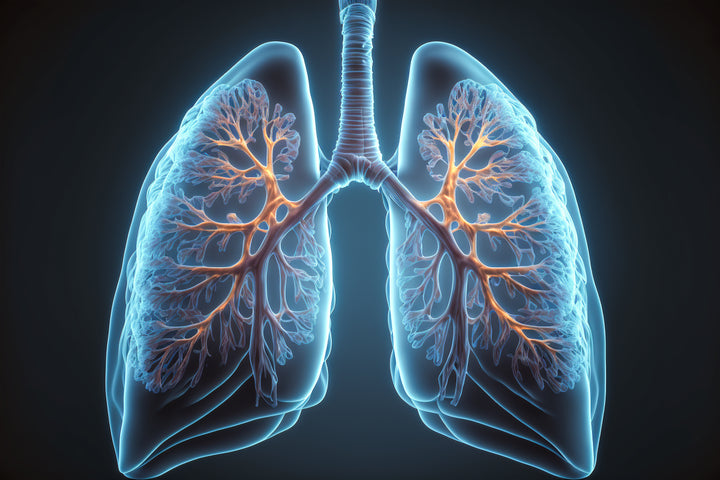
Human Anatomy
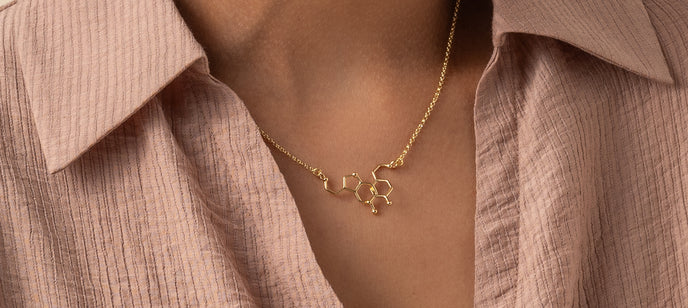
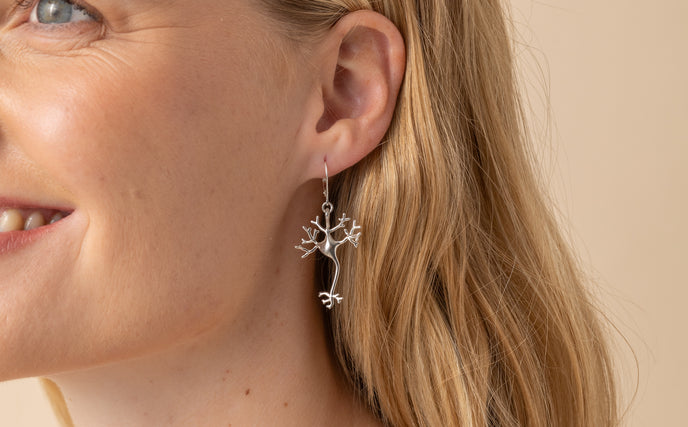
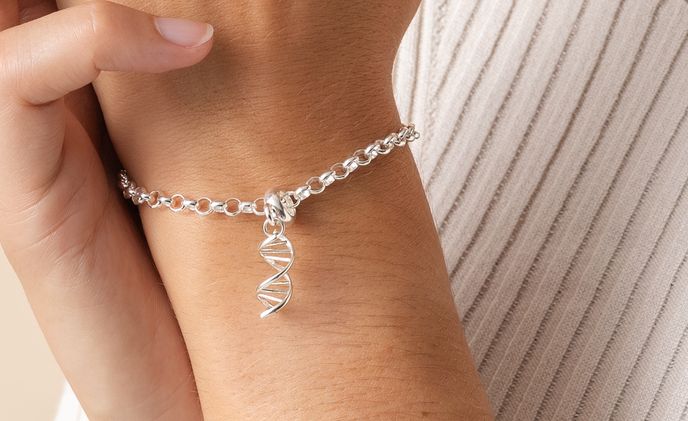
Anatomical wonders have never been so elegantly articulated. Our anatomical collection embodies the intricate and awe-inspiring structures that make us who we are. From DNA double helices to neuronal networks, our pieces don't merely imitate—they interpret. The collection serves as a tangible tribute to the hidden beauty within us all, elevating the realms of biology and medicine into wearable art. With exquisite attention to detail, each piece is a dialogue between form and function, revealing the enigmatic eloquence of the human body.
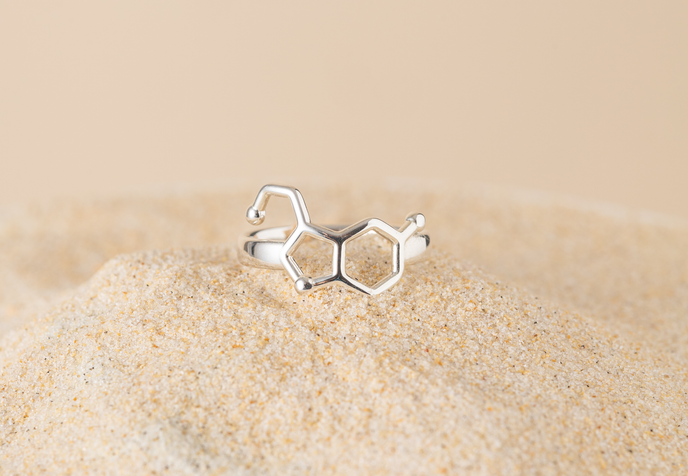
Find your perfect fit: measure an Existing Ring
Finding out your ring size at home is a simple process and can help you shop for jewelry online with confidence.
Necklace length guide