€ 140


Still questions? Contact us
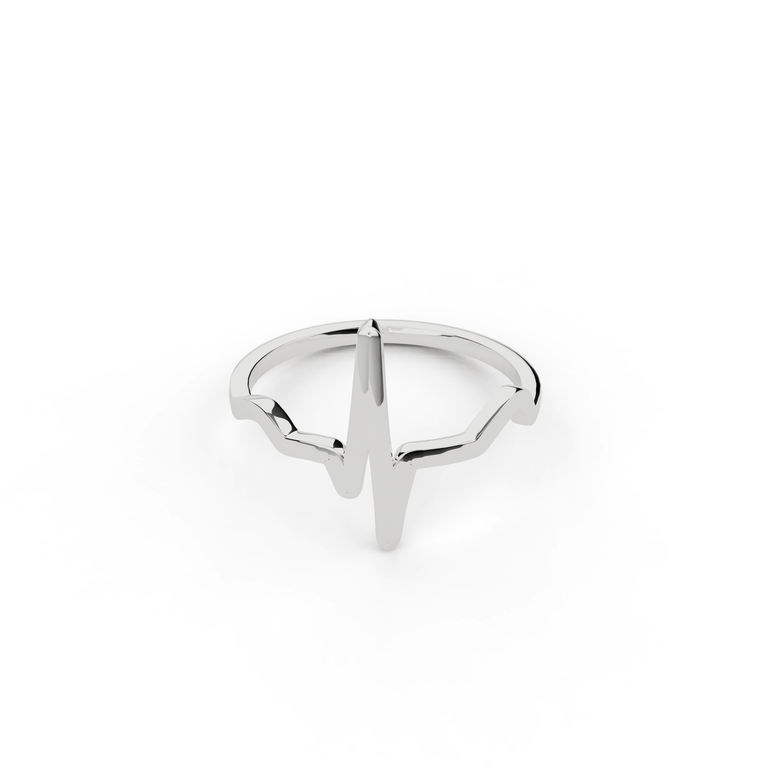
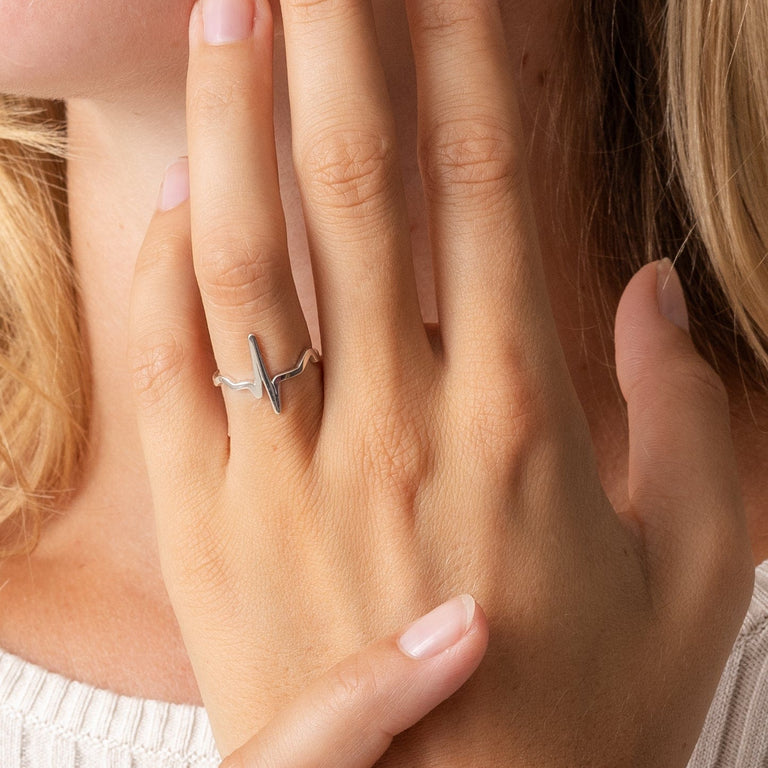
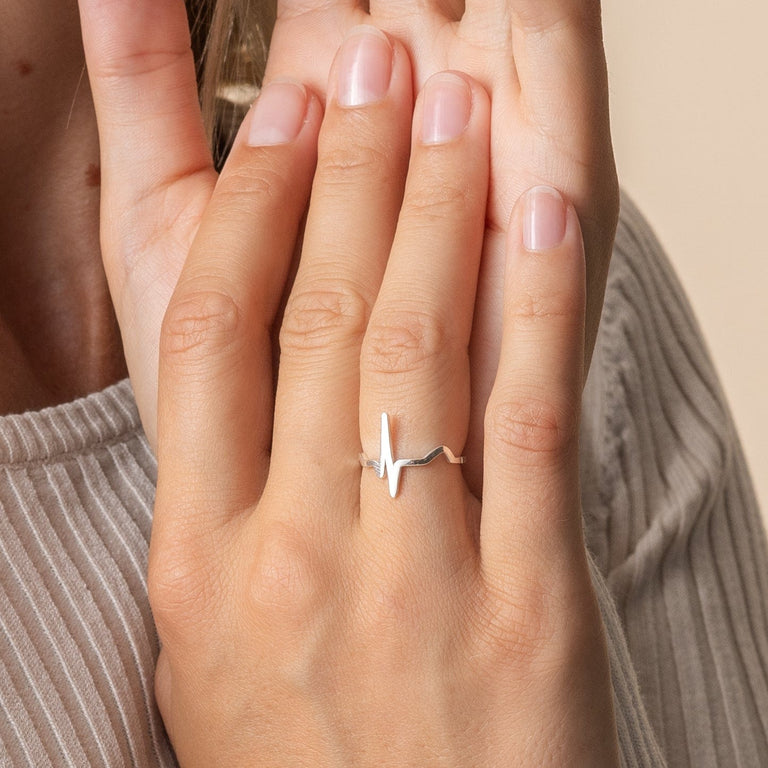
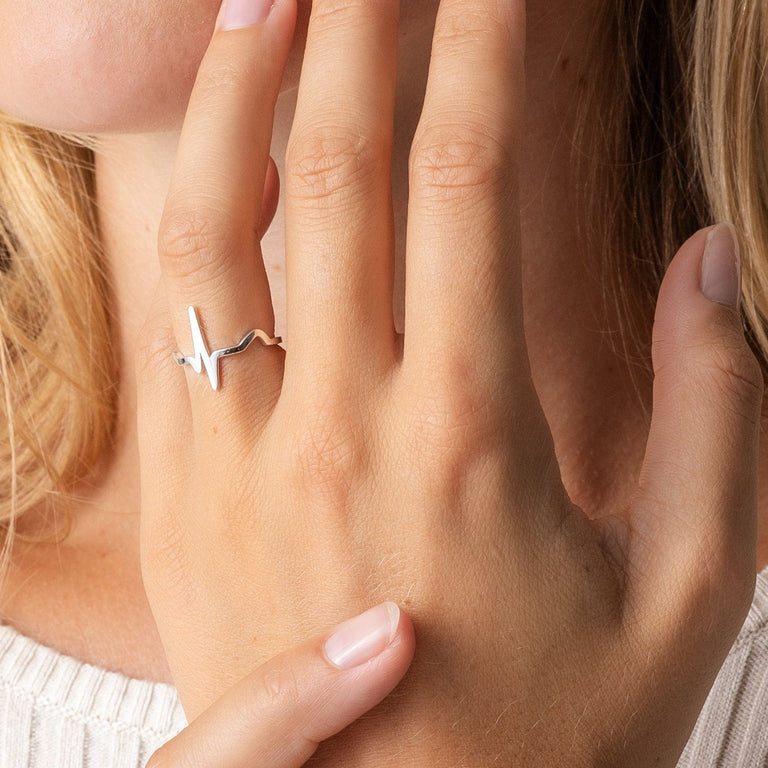
Heartbeat ring | sterling silver
The QRS complex is the most reproduced waveform in clinical medicine, the spike that signals normal sinus rhythm and the line that everyone, from intensivists to first responders to anxious patients, watches first on the monitor. As a ring, it sits on the finger as a quiet daily reminder of the rhythm that keeps the rest of the body running.
The Science of the Heartbeat Trace
The standard ECG waveform follows a fixed sequence: P wave (atrial depolarisation), QRS complex (ventricular depolarisation), T wave (ventricular repolarisation), and sometimes a U wave at the end. The shape is the surface manifestation of the spread of electrical activity from the sinoatrial node to the atria, through the atrioventricular node, down the bundle of His and Purkinje fibres into the ventricular myocardium. Cardiologists, emergency physicians, intensivists, and paramedics read these traces dozens of times a day, looking for ST-elevation in acute MI, QT prolongation, atrial fibrillation, ventricular tachycardia, hyperkalaemia, and the long catalogue of conduction abnormalities. The same waveform plotted in real time runs continuously on every cardiac monitor in every ICU and operating room in the world. It sits somewhere between the stethoscope and the white coat as a near-universal medical signifier.
Who Reaches For This
The audience clusters around acute and cardiac medicine:
- cardiologists, electrophysiologists, and EP fellows
- emergency physicians, paramedics, and prehospital teams
- ICU and CCU nurses, intensivists, and respiratory therapists
- anesthesiologists and CRNAs
- cardiac sonographers, ECG technicians, and medical students through cardiology rotations
Explore Related Human Anatomy Jewelry
- Heartbeat necklace | silver
- Heartbeat necklace | gold vermeil
- Heartbeat earring hoops | silver
- Heartbeat studs | silver
FAQ
Will a cardiology fellow actually wear a ring like this?
More often than the format would suggest. Rings sit lower-profile than pendants and tend to read as professional shorthand rather than as overt jewelry, which works well in clinical settings. Cardiology, electrophysiology, and ICU clinicians are the strongest cluster. Anesthesiologists and ECG technicians also tend to recognise the trace immediately. The ring works as a quiet professional in-joke for someone whose week is built around reading rhythm strips.
Why is the QRS complex always drawn as the largest deflection?
Because ventricular depolarisation involves much more myocardial mass than atrial depolarisation. The two ventricles together account for roughly two-thirds of the heart's muscle, and the rapid spread of excitation through the bundle branches and Purkinje system depolarises that mass within about 80 to 100 milliseconds. The summed electrical vector is large and brief, which produces the tall narrow QRS spike. The P wave, by contrast, is the slower depolarisation of a much smaller mass of atrial muscle, which is why it shows up as a low rounded bump.
What is the size and material?
925 sterling silver, nickel-free, available in US ring sizes 5, 6, 7, 8, and 9. Ships free worldwide via DHL Express in 1-5 business days, with all import duties prepaid. Comes in a ready-to-gift jewelry box with the 30-day “Love It or Return It” policy.
How do I pick the right ring size?
The five available sizes (US 5 through 9) cover most adult fingers. A printable ring sizer or a quick measurement around the intended finger with a strip of paper gives the closest fit. The 30-day return policy also covers exchanges if the size is off.

Human Anatomy
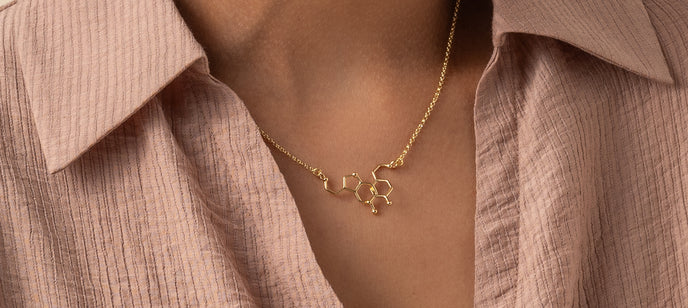
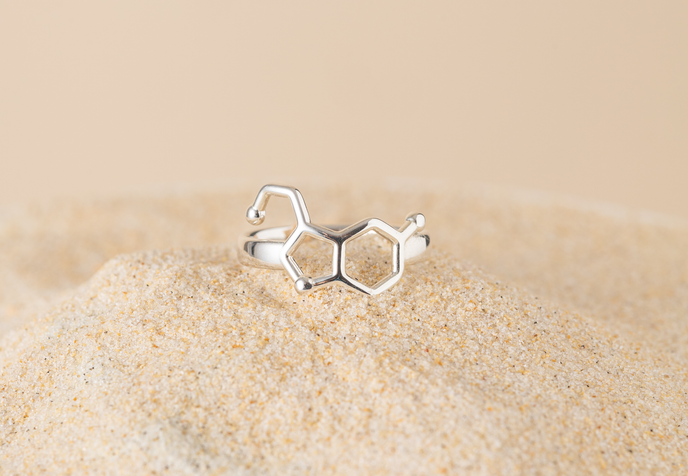
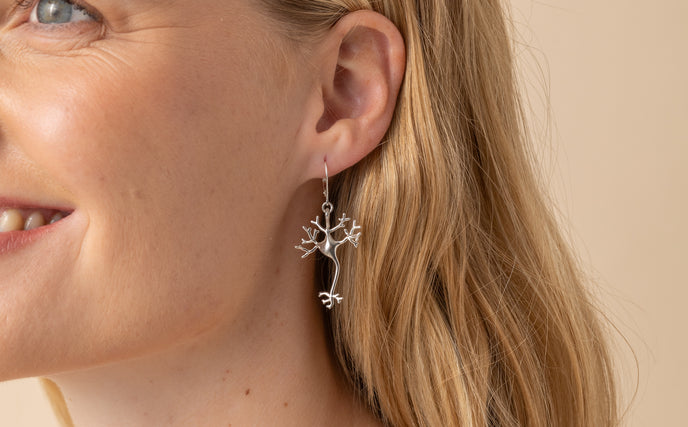
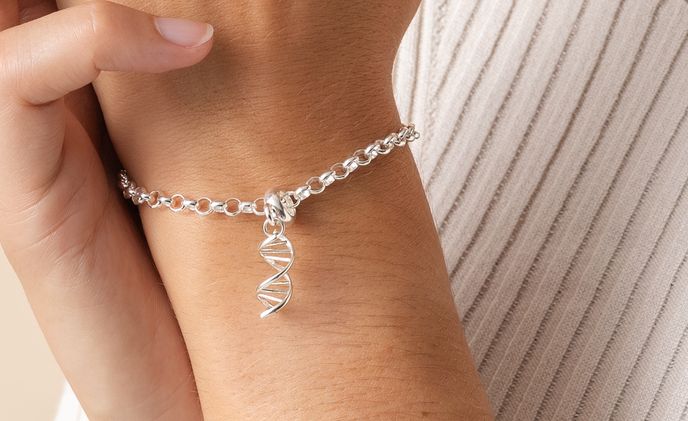
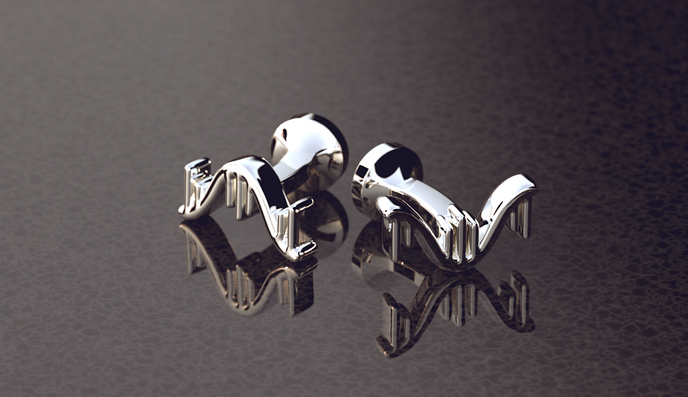
Anatomical wonders have never been so elegantly articulated. Our anatomical collection embodies the intricate and awe-inspiring structures that make us who we are. From DNA double helices to neuronal networks, our pieces don't merely imitate—they interpret. The collection serves as a tangible tribute to the hidden beauty within us all, elevating the realms of biology and medicine into wearable art. With exquisite attention to detail, each piece is a dialogue between form and function, revealing the enigmatic eloquence of the human body.
Find your perfect fit
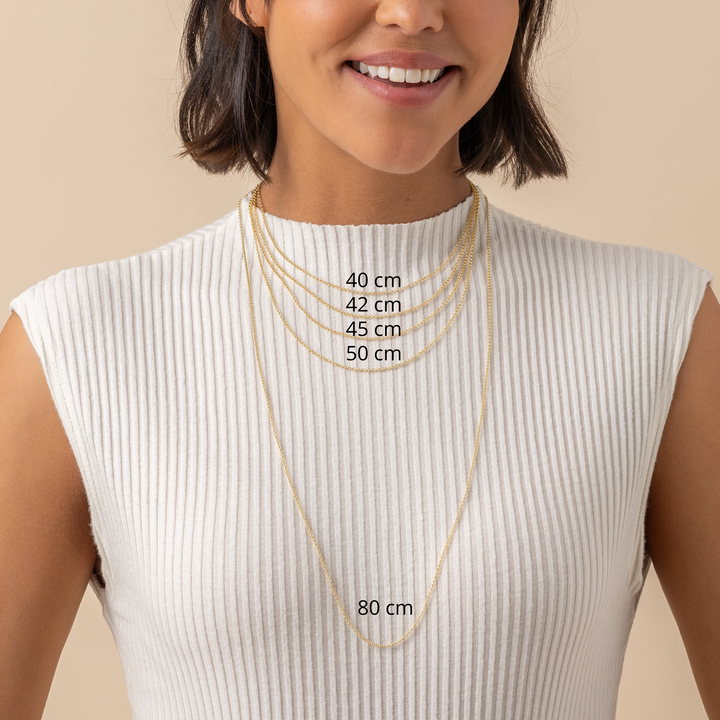
Necklace length guide