€ 225


Still questions? Contact us
Knee necklace | 18k gold vermeil
The knee carries three to four times body weight in a normal walk and up to eight times when running. A joint that mobile, under that much load, lives in constant tension between flexibility and stability. The unhappy triad, the classic injury pattern in contact sport, is named for how fast three structures fail together: ACL, MCL, and medial meniscus.
The Anatomy of the Knee
The knee is the largest synovial joint in the body. Two cruciate ligaments hold the femur and tibia together against rotation and translation. The collateral ligaments stabilise the medial and lateral sides. Two C-shaped menisci sit between the bones as shock absorbers and load distributors. Cartilage takes the compression, with quadriceps, hamstring, and calf muscles coordinating motion through about 135 degrees of flexion. Knee injury and osteoarthritis account for a huge chapter of orthopaedic surgery, sports medicine, and rehabilitation. ACL reconstruction and meniscal repair are among the most common procedures performed worldwide.
The Audience
The audience centres around joint repair and athletic medicine:
- orthopedic surgeons specialising in knee reconstruction
- sports physicians and physiatrists
- physical therapists and athletic trainers
- biomechanics researchers working on gait and movement
- anyone recovering from anterior cruciate ligament injury
Most often worn by the surgeons who rebuild knees, or given as a gift to someone finishing rehabilitation after ligament repair.
Explore Related Human Anatomy Jewelry
- Knee necklace | silver
- Femur necklace | gold vermeil
- Pelvis necklace | gold vermeil
- Spine necklace | gold vermeil
FAQ
Is this specific enough for an orthopedic surgeon?
Yes. The knee is the most frequently reconstructed joint in orthopedic surgery. ACL and meniscal repairs, ligament reconstructions, cartilage restoration, and the entire field of knee arthroscopy centre on this single structure. The unhappy triad reference makes the pendant read as field-specific rather than generic anatomy, particularly for surgeons whose practice is built around sports injuries and ligament mechanics.
Why is the ACL so often torn compared to other knee ligaments?
Because it handles the largest rotational and translational load, and the movements that tear it happen fast. Most ACL injuries occur during rapid deceleration, cutting movements, or landing from a jump, when the hamstring cannot fire quickly enough to protect the ligament. The mechanism is often non-contact, meaning the injury happens from an awkward movement, not a collision. Once torn, the ACL does not heal reliably on its own because it has limited blood supply once you are past early childhood. Surgical reconstruction is the standard for anyone wanting to return to pivoting sports.
What is the size, material, and chain?
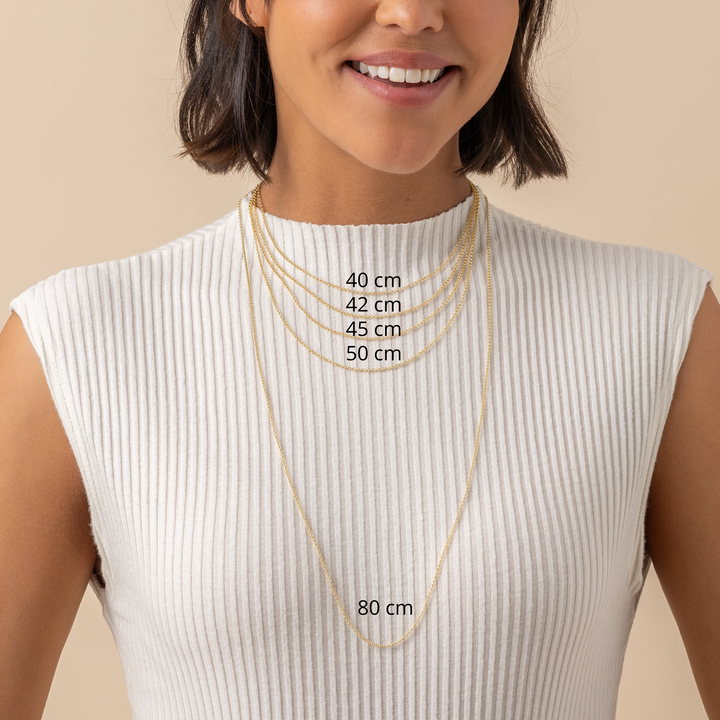
25 mm pendant in 18k gold vermeil (sterling silver core with 2.5 micron gold plating), nickel-free. 45 cm gold vermeil chain with a 5 cm extender. Ships free worldwide via DHL Express in 1-5 business days, with all import duties prepaid. Comes in a ready-to-gift jewelry box with the 30-day “Love It or Return It” policy.
Is the gold pendant the same size as the silver version?
Yes. Same 25 mm design, same size. Material is the only difference. Pairs well with the silver version if two clinicians in the same department want matching pieces.

Human Anatomy
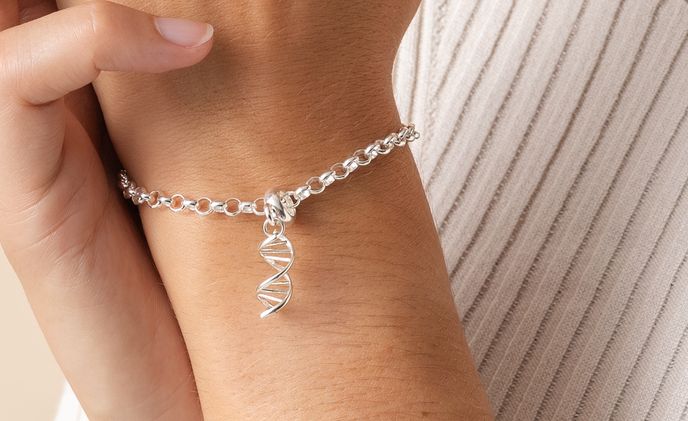
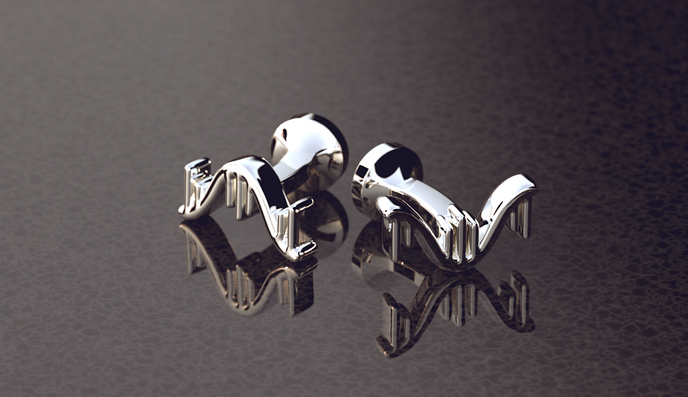
Anatomical wonders have never been so elegantly articulated. Our anatomical collection embodies the intricate and awe-inspiring structures that make us who we are. From DNA double helices to neuronal networks, our pieces don't merely imitate—they interpret. The collection serves as a tangible tribute to the hidden beauty within us all, elevating the realms of biology and medicine into wearable art. With exquisite attention to detail, each piece is a dialogue between form and function, revealing the enigmatic eloquence of the human body.
Find your perfect fit: measure an Existing Ring
Finding out your ring size at home is a simple process and can help you shop for jewelry online with confidence.
Necklace length guide