€ 185


Still questions? Contact us
Syringe necklace | gold vermeil
A syringe necklace for nurses, anesthesiologists, and anyone whose work runs through a needle. The instrument that delivers most of modern pharmacotherapy, in 18k gold vermeil.
The Anatomy of the Syringe
A modern syringe is three pieces: a barrel, a plunger, and a needle. The plunger draws fluid in and pushes it out through the needle, with the dose read against graduations on the barrel. The hypodermic syringe was developed in 1853, independently by Alexander Wood in Edinburgh and Charles Pravaz in Lyon. Before that, medication moved slowly: orally, topically, or by inhalation. The syringe made delivery direct, dose-controlled, and reproducible. It is now the route for most vaccines, local and general anesthetics, insulin, intramuscular antibiotics, and blood draws.
A Meaningful Gift for Science Lovers
For the people whose hands hold the needle.
- nurses, ICU and operating-room staff, and paramedics
- anesthesiologists, CRNAs, and pain specialists
- vaccination teams, clinical-trial nurses, and public-health workers
- medical and nursing students through their first clinical rotations
For someone whose career runs along the bevel of a needle.
Explore Related Medical Jewelry
- Syringe necklace | sterling silver
- Rod of Asclepius necklace | gold vermeil
- Caduceus necklace | gold vermeil
- Dental mirror necklace | gold vermeil
FAQ
Who is this syringe necklace for?
Anyone whose working day involves giving an injection or drawing blood: nurses, anesthesiologists, paramedics, vaccination teams, clinical-trial coordinators, and the diabetic patients who have done it themselves for decades. Also a clean choice for graduating nurses and CRNAs, where the symbol is precise rather than generic.
When was the modern syringe invented?
The hypodermic syringe in roughly its current form dates to 1853, developed independently by Alexander Wood in Scotland and Charles Pravaz in France. Both were trying to deliver morphine more reliably for pain management. Within a decade the technique had spread across hospital medicine. The disposable plastic version most people picture today came later, in 1956, designed by New Zealand pharmacist Colin Murdoch.
What size is the pendant and what chain does it ship with?
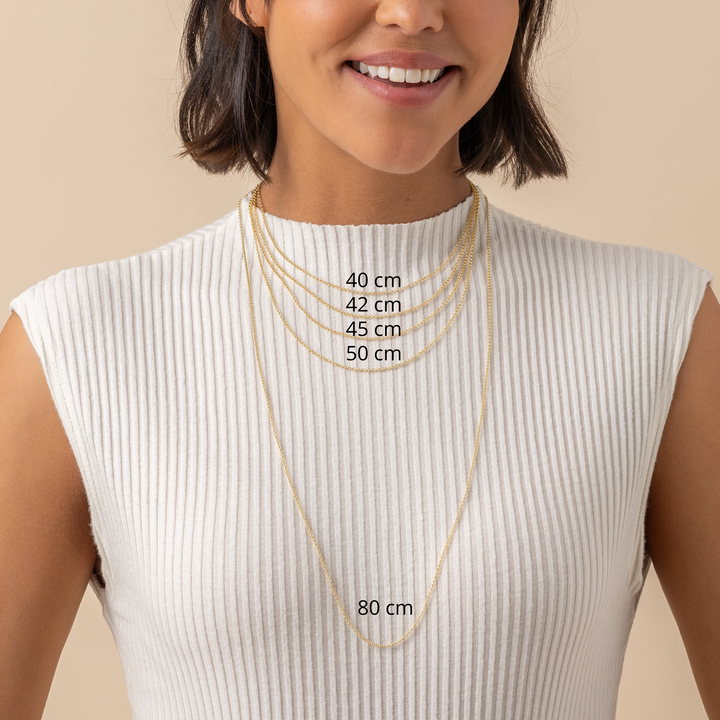
The pendant is 34 mm long, sized to read clearly as a syringe rather than as an abstract shape. It comes on a 45 cm 18k gold vermeil chain (1.8 mm width, lobster clasp) with a 5 cm extender. Free worldwide DHL Express shipping in 1-5 business days, all import duties covered, in a ready-to-gift jewelry box.
Is this an appropriate piece for a chronic patient, not just a clinician?
Yes, and many of the people who buy it wear it for that reason. People who use insulin daily, or who have done years of fertility injections, or who run home-administered biologics, often carry the same instrument hundreds of times a year. The pendant works equally well as a quiet personal symbol as it does as a professional one.

Medical & Lab tools
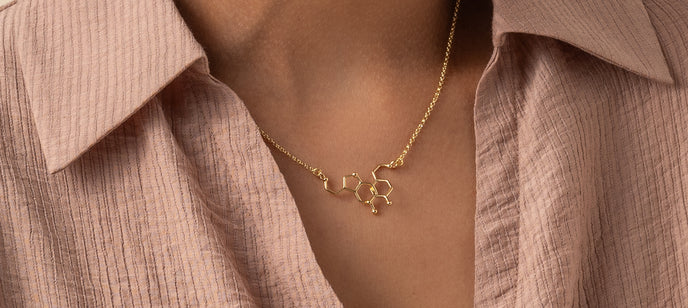
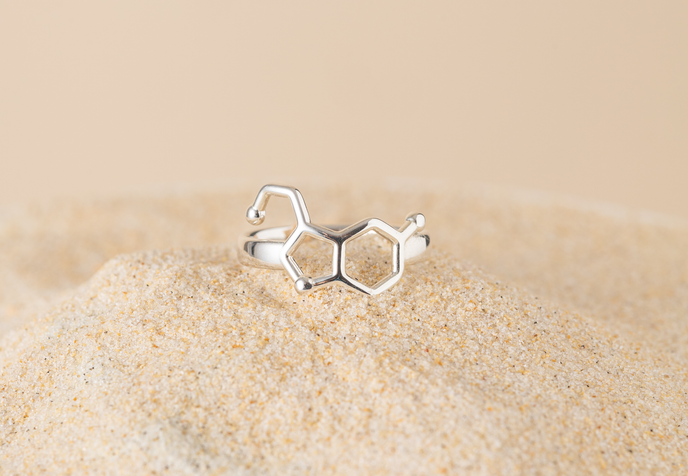
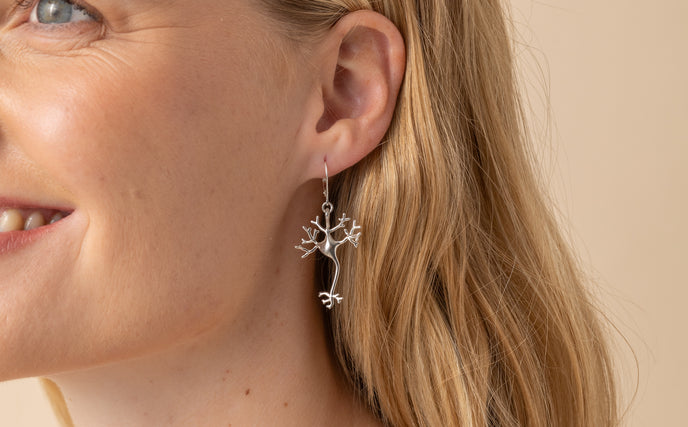
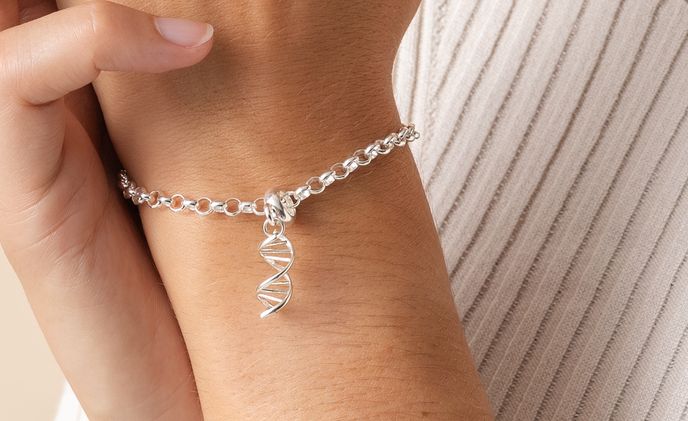
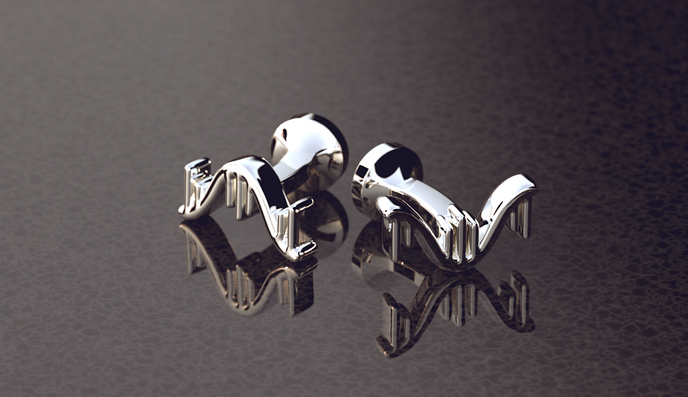
Dive into the captivating world of science-inspired jewelry, where intricate designs meet the essence of medical and laboratory tools. These masterfully crafted pieces act as subtle yet striking tributes to the instruments that have paved the way for scientific discovery. From DNA helices to microscope charms, each piece serves as a conversation starter, a talisman, and a small monument to human ingenuity. They're not just accessories; they're wearable artifacts that tell a story of scientific exploration and advancement.
Find your perfect fit: measure an Existing Ring
Finding out your ring size at home is a simple process and can help you shop for jewelry online with confidence.
Necklace length guide