€ 160


Still questions? Contact us
Antibody studs | sterling silver
These antibody stud earrings were a gift to a doctor from her spouse, who wrote that she loved them for the shine and the nerd factor. Recognition is where an antibody's work begins, and the nerd factor is the point: a small pair that carries her field to work.
Who It's For
- your fiancée
- a wife who practises medicine
- yourself, if you like studs with a bit of presence
- someone who prefers a stud that sits flat on the earlobe to an earring that hangs
George H. on a gift: “My fiancee loved these”. Lindsey B., who bought a pair to keep: “They are a bit bigger than I expected but I love them!”
Antibodies Without Light Chains
Human antibodies, whatever their class, are assembled from heavy and light protein chains, and each binding site forms where a heavy and a light chain meet. Camels, llamas and their relatives make these too, but also a second kind. In 1993 a team in Brussels reported camel antibodies with no light chains at all, so each binding site sits on a single heavy-chain domain. Cut down to that one domain, the binder weighs about a tenth as much as a standard antibody, and it can get into pockets that whole antibodies usually cannot reach, such as the active sites of some enzymes. Sharks evolved heavy-chain-only antibodies of their own. Researchers call the small camelid fragments nanobodies.
Explore Related Immunology Jewelry
- antibody studs | gold vermeil
- antibody earrings | silver
- antibody necklace | silver
- IgM necklace | silver
FAQ
How big are they, and how do they fasten?
Each stud measures 15 × 12 mm (0.59 × 0.47 inches), a little smaller than a 1-euro-cent coin (16.25 mm) and smaller than a US dime (17.91 mm). That is on the larger side for a stud, so expect a pair that shows rather than a tiny dot. A post goes through the earlobe and an ear nut with a sterling silver core holds it at the back, so the stud sits flat against the lobe. Our sterling silver is nickel-free and hypoallergenic.
Do they come in gold, and what goes with them?
Yes. The same antibody studs come in 18K gold vermeil, also 15 × 12 mm with ear nuts. Choose the finish the recipient already wears: the design is the same in both. For a hook instead of a post, there are antibody earrings on leverback hooks (15 mm, not counting the hook), in silver or gold vermeil. For a set, the antibody necklace comes in both finishes with a 15 mm pendant on a 45 cm chain, and a silver antibody bracelet carries a 15 mm charm.
Will they arrive in time, and what if they aren't right?
DHL Express delivers free in 1-5 business days worldwide, and we pay the import duties and taxes, so nothing is due at the door. They arrive in a ready-to-gift jewelry box and festive envelope. If they aren't right, our 30-day “Love It or Return It” policy applies to unworn earrings.
Who worked out how an antibody is built?
Two scientists working separately: Rodney Porter in London and Gerald Edelman at the Rockefeller Institute, New York. In 1959 Porter used papain to cut rabbit antibody into three pieces: two still bound their target, one did not. The same year Edelman broke the bonds holding the molecule together and found smaller chains. In 1962 Porter drew the results together as the four-chain model: two heavy chains, two light. By 1969 Edelman's team had read every amino acid of one human antibody, more than 1,300. They shared the 1972 Nobel Prize.
Cellular Biology
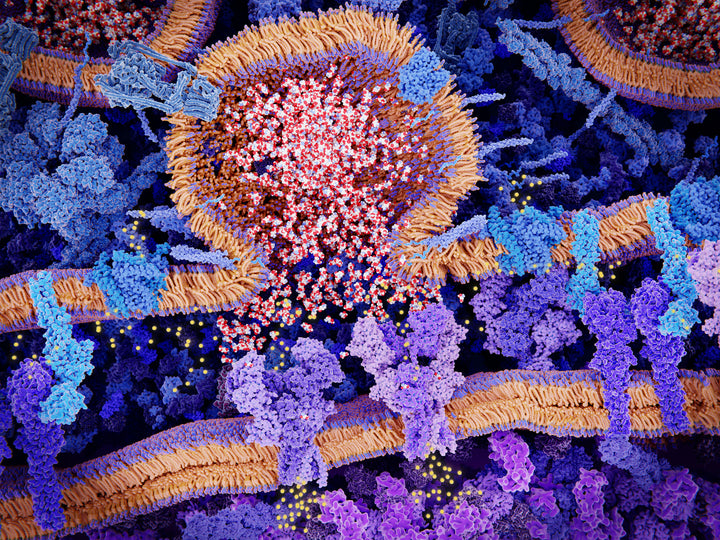
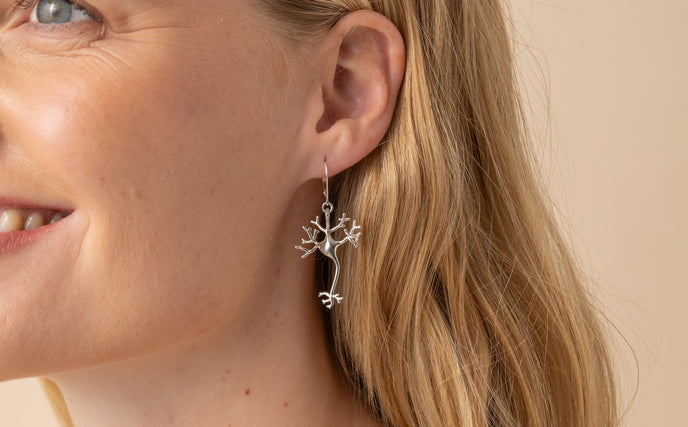
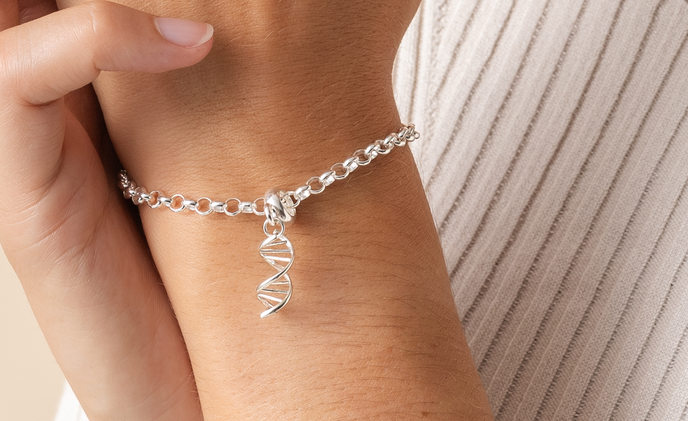
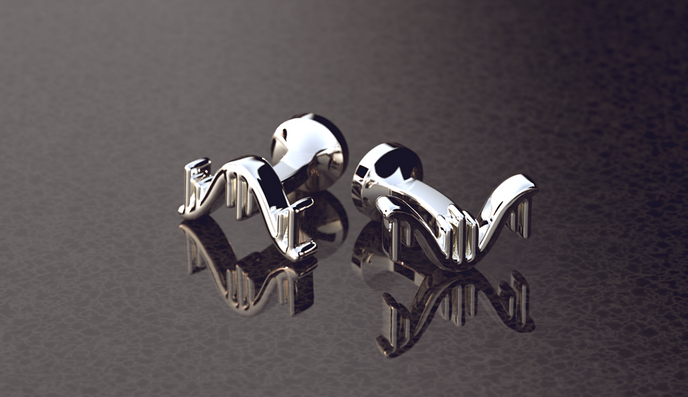
Step into the fascinating world of cellular biology through our unique jewelry designs. These pieces serve as wearable reflections of life's microscopic wonders, capturing the aesthetics of DNA strands, cellular formations, and more. Far from simple adornments, they spark dialogue and honor the captivating complexities found within biological research. Merging scientific accuracy with artistic flair, each creation offers a tactile experience that bridges the gap between scientific inquiry and aesthetic appreciation.
Find your perfect fit
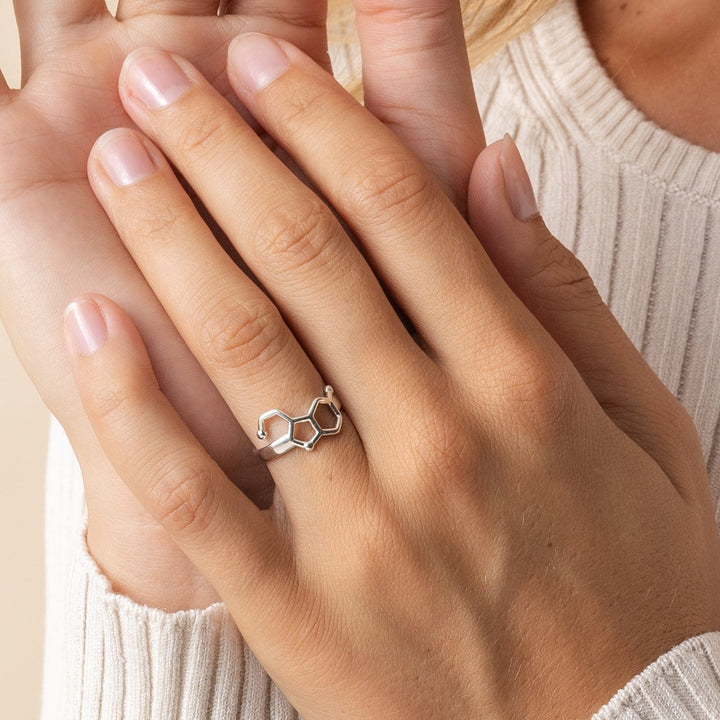
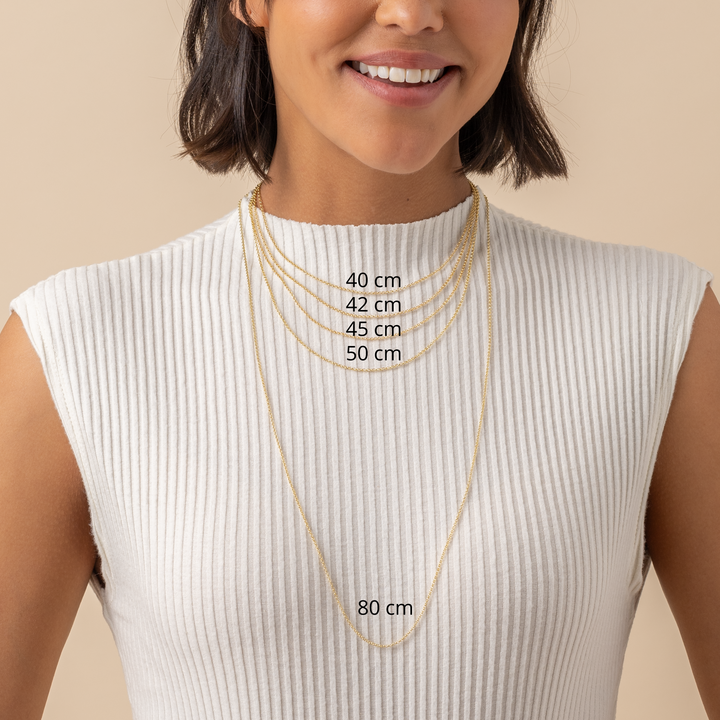
Necklace length guide