€ 160


Still questions? Contact us
Blastocyst necklace | sterling silver
Every one of us was once a blastocyst, a ball of cells a fraction of a millimetre across. Embryologists and IVF doctors work with that stage every day. This blastocyst necklace in sterling silver is a gift for one of them, for a daughter graduating in biomedical science, or for yourself.
Who It's For
- an embryologist or IVF doctor, for a birthday or a milestone at the clinic
- a daughter graduating in biomedical science, as her graduation present
- a colleague at a fertility clinic, as a thank-you
- a friend finishing her PhD on early embryos
- yourself, as a lucky charm at work
If IVF is part of your own story, this is a small, private way to carry it.
Helen K. bought it for someone in the fertility field: “People in the field would recognize it as a blastocyst, but to the outside world it looks like an interesting design.” Catherine C. bought it for her daughter: “My daughter has recently graduated and chose this necklace as her present”.
The Science Behind the Blastocyst
About five days after fertilisation, the ball of cells fills with fluid and becomes hollow. By then its cells have split into two groups. The outer layer, the trophectoderm, will form most of the placenta. A small cluster on the inside, the inner cell mass, will give rise to the embryo. In a 1989 study of human blastocysts grown in the lab, newly expanded day-5 blastocysts had about 58 cells on average, about 20 of them in the inner cell mass. Around day 6 or 7 the blastocyst hatches from its shell, the zona pellucida, and begins to attach to the wall of the womb.
Explore Related Human Anatomy Jewelry
- blastocyst necklace | gold vermeil
- 4 cell embryo necklace | silver
- embryo necklace | silver
- egg and sperm necklace | silver
FAQ
How big is it, and how does it sit?
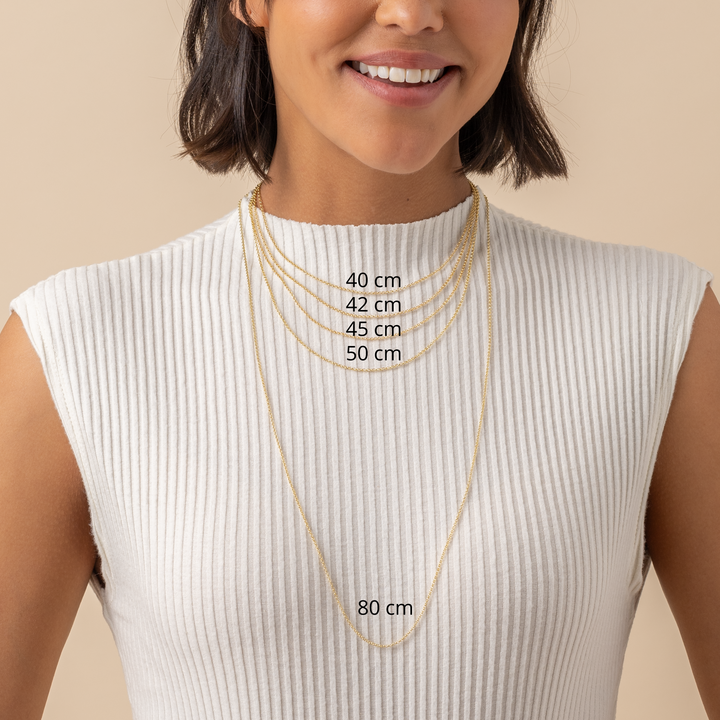
The pendant is 20 mm (0.8 inches) across, a little smaller than a US nickel and about the size of a 10-euro-cent coin. It hangs from a small loop at the top on a 45 cm (17.7 inch) sterling silver chain with a 5 cm (2 inch) extender, and at the shorter setting it sits just below the collarbone. It is 925 sterling silver, nickel-free and hypoallergenic.
Is there a gold version?
Yes. The same blastocyst necklace comes in 18K gold vermeil, also 20 mm. Choose the finish the recipient already wears: the design is the same in both. For an earlier stage of development, the 4 cell embryo necklace is also 20 mm and comes in silver and gold vermeil.
Will it arrive in time, and what if it isn't right?
DHL Express delivers free in 1-5 business days worldwide, and we pay the import duties and taxes, so nothing is due at the door. It arrives in a ready-to-gift jewelry box and festive envelope. If it isn't right, our 30-day “Love It or Return It” policy applies.
What is the blastocyst's place in IVF history?
In 1971 Patrick Steptoe, Robert Edwards and Jean Purdy reported in Nature that human eggs fertilised in their laboratory had grown into blastocysts. Purdy, a nurse by training, had joined Edwards as his research assistant in 1968. Seven years later the same team saw the birth of Louise Brown, the first baby born through IVF. Edwards called Purdy an equal contributor, yet an official plaque in Oldham left out her name. A plaque naming all three followed in 2015.
Cellular Biology
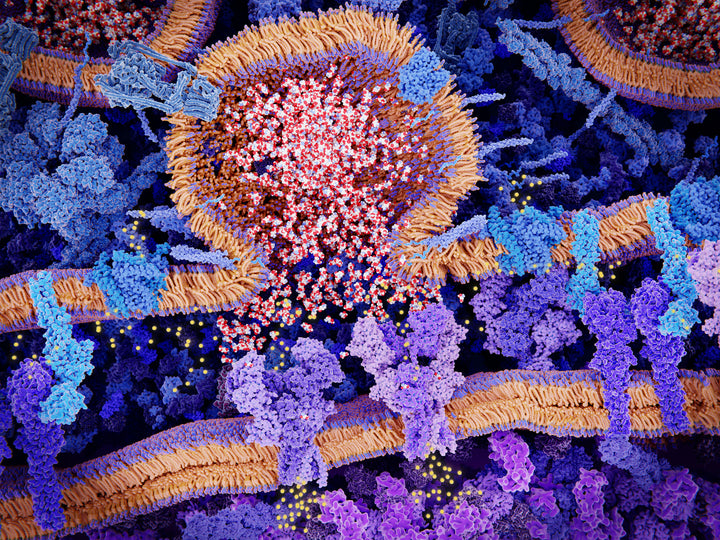
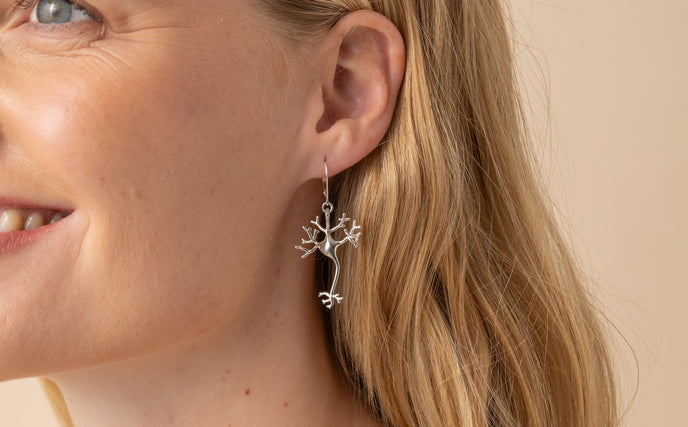
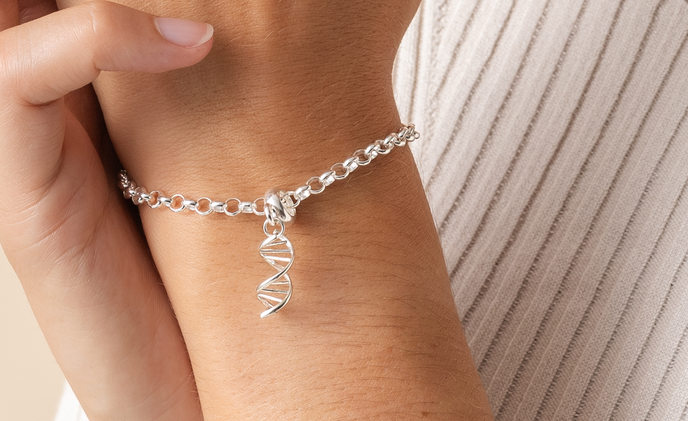
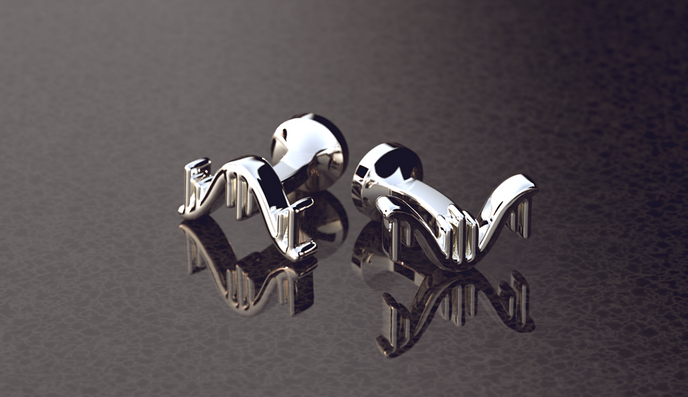
Step into the fascinating world of cellular biology through our unique jewelry designs. These pieces serve as wearable reflections of life's microscopic wonders, capturing the aesthetics of DNA strands, cellular formations, and more. Far from simple adornments, they spark dialogue and honor the captivating complexities found within biological research. Merging scientific accuracy with artistic flair, each creation offers a tactile experience that bridges the gap between scientific inquiry and aesthetic appreciation.
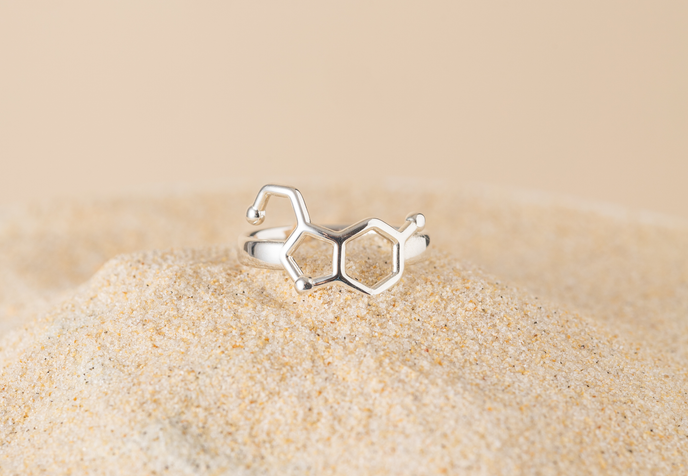
Find your perfect fit: measure an Existing Ring
Finding out your ring size at home is a simple process and can help you shop for jewelry online with confidence.
Necklace length guide