
€ 230


Still questions? Contact us
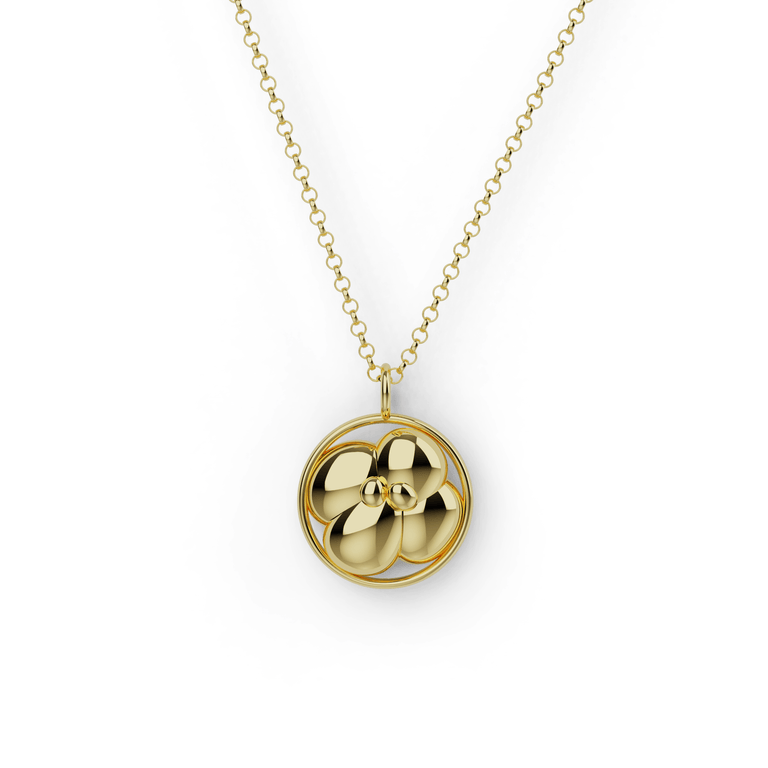
4 cell embryo necklace | 18K gold vermeil
A colleague who had finished her PhD on embryos was heading back to China, so one reviewer chose the 4 cell embryo necklace for her. This one, in gold vermeil, marks the second day of development, when one cell has become four.
Who It's For
- your wife, an embryologist
- a daughter with a special interest in embryology, for her graduation
- your niece, for her birthday
- your partner, as a last-minute present
- yourself, as a piece to keep
From reviews of the silver version, Susan K.: “This was the perfect gift for a colleague who works in an infertility clinic. The necklace is lovely and very well made.” Nor i.: “A simple yet meaningful 40th bday present. Delivery was quick and item is pretty.”
Running on the Egg's Supplies
At the four-cell stage, a human embryo is still living largely on supplies stored in the egg: RNA and proteins laid down before fertilisation, which carry the first cell divisions. The main switch to the embryo's own genes comes between the four- and eight-cell stages. In a 1988 study, a drug that stops genes being read did not halt cell division in human embryos until after the four-cell stage. Later work found some of the embryo's own genes switching on soon after fertilisation, so the handover begins early and its main wave comes later. In mice the main switch comes sooner, at the two-cell stage.
Explore Related Embryology Jewelry
- 4 cell embryo necklace | silver
- blastocyst necklace | gold vermeil
- embryo necklace | gold vermeil
- fetus necklace | gold vermeil
FAQ
How big is the pendant, and how does it sit?
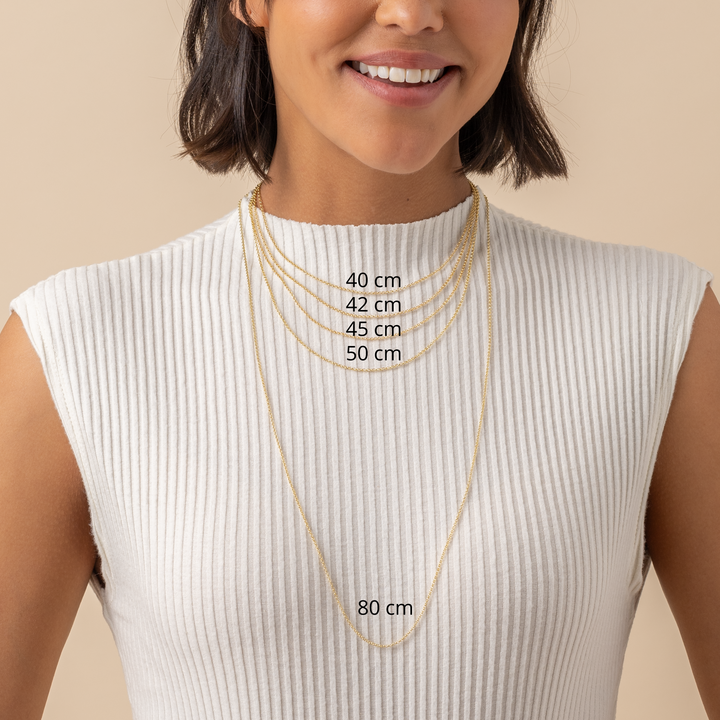
The pendant measures 20 mm (0.79 inches), about 1 mm wider than a US penny and almost 6 mm smaller than a 2-euro coin. It hangs from a small ring at the top on a 45 cm (17.7 inch) gold vermeil chain with a 5 cm (2 inch) extender, and sits below the collarbone. Extra chains for layering come in 40, 42, 45 or 50 cm (each with the extender) or 80 cm. Our gold vermeil is 2.5 microns of 18K gold over solid sterling silver, nickel-free and hypoallergenic.
Is there a silver version?
Yes. The 4 cell embryo necklace also comes in sterling silver, at the same 20 mm on a 45 cm chain with a 5 cm extender. Choose the finish the recipient already wears. The design is the same in both finishes. To follow development further, the blastocyst (20 mm), embryo (24 mm) and fetus (25 mm) necklaces also come in gold vermeil.
Will it arrive in time, and what if it isn't right?
DHL Express delivers it free worldwide in 1-5 business days, and we pay the import duties and taxes, so nothing is due at the door. It arrives in a ready-to-gift jewelry box and festive envelope. If it isn't right, our 30-day “Love It or Return It” policy applies.
Who first reported a human egg dividing in a lab dish?
Miriam Menkin and the fertility doctor John Rock, in 1944. Menkin worked for Rock at the Free Hospital for Women in Massachusetts, and for nearly six years she had tried to fertilise eggs in a dish, usually leaving them with sperm for 30 minutes. One day that February, after a sleepless night with her baby daughter, she left them together for an hour. When she checked again, the egg had begun to divide. Their paper in Science that August said, carefully, “we believe we have succeeded in three experiments.”
Cellular Biology
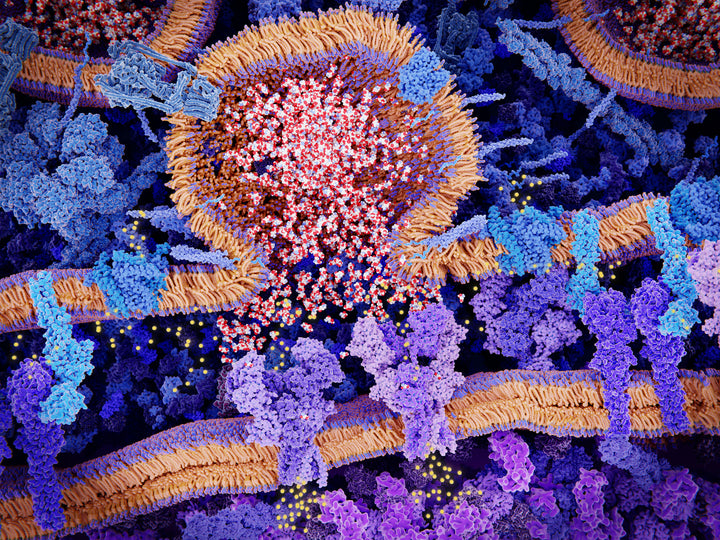
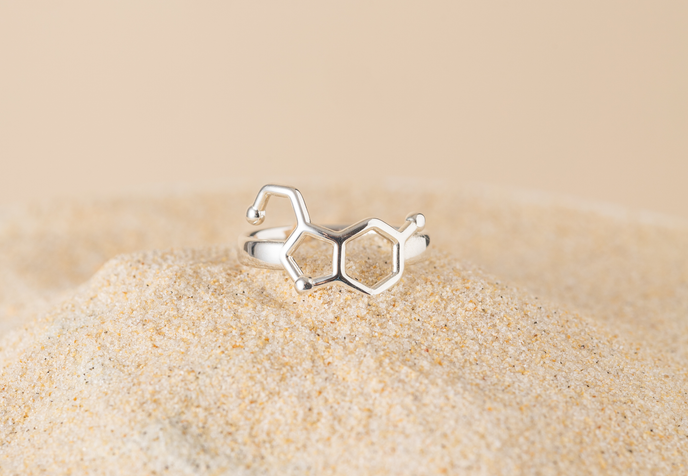
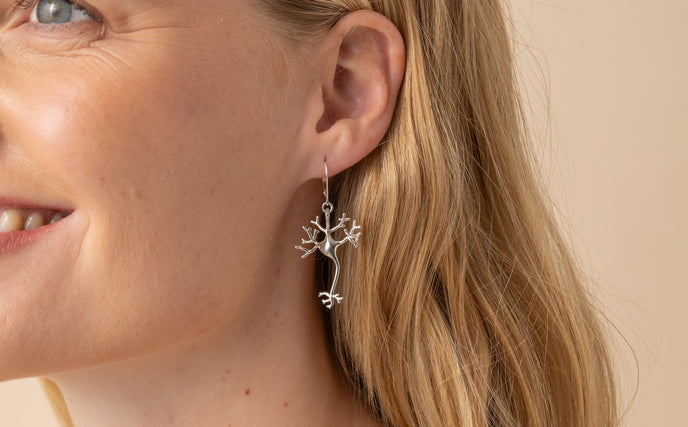
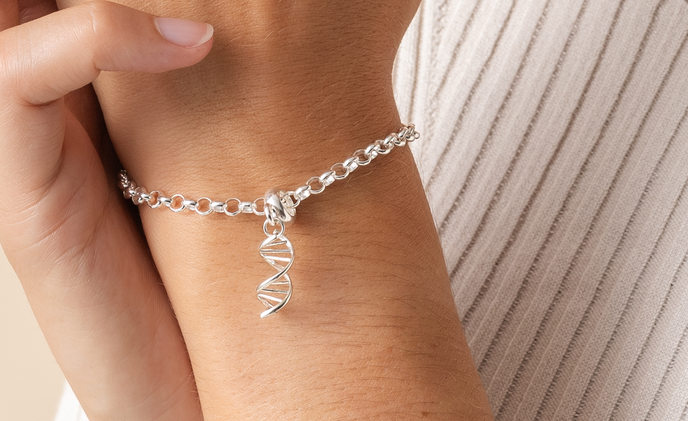
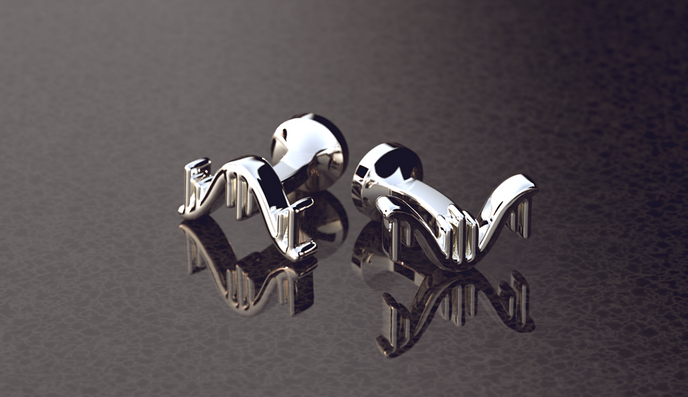
Step into the fascinating world of cellular biology through our unique jewelry designs. These pieces serve as wearable reflections of life's microscopic wonders, capturing the aesthetics of DNA strands, cellular formations, and more. Far from simple adornments, they spark dialogue and honor the captivating complexities found within biological research. Merging scientific accuracy with artistic flair, each creation offers a tactile experience that bridges the gap between scientific inquiry and aesthetic appreciation.
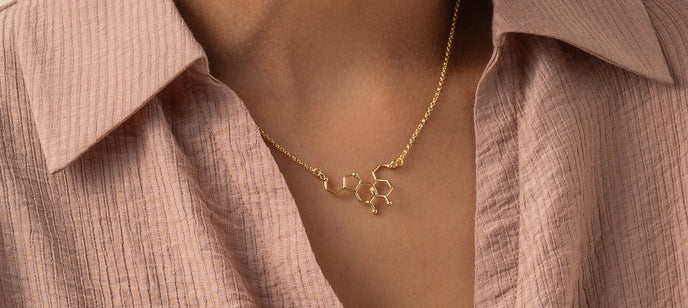
Find your perfect fit: measure an Existing Ring
Finding out your ring size at home is a simple process and can help you shop for jewelry online with confidence.
Necklace length guide