€ 240


Still questions? Contact us
Embryo necklace | 18K gold vermeil
In the weeks after conception, a human embryo builds almost every structure the body will ever have. This embryo necklace in 18K gold vermeil is for the obstetrician, midwife or embryologist who works with that beginning every day, and for anyone marking one of their own.
Who It's For
- an obstetrician or midwife, for her birthday or when she qualifies
- an embryologist or IVF lab scientist, as a thank-you from a grateful family
- a developmental biologist, on the day she defends her PhD
- someone who already wears the fetus or 4 cell embryo necklace in gold
- yourself, if gold is what you wear every day
The Tail That Comes and Goes
Around the fifth week of development, a human embryo has a tail. It holds about ten to twelve small vertebrae, more than the body will keep. Over the next few weeks the tail stops growing while the rest of the embryo keeps going, and several of its vertebrae fuse. By about the eighth week the tail is gone from the outside. What remains is the coccyx, the small tailbone at the base of the spine. Other vertebrate embryos, from fish to mice, pass through a similar tailed stage, which is one of the plainest signs of shared ancestry written into early development.
Explore Related Human Anatomy Jewelry
- embryo necklace | silver
- fetus necklace | gold vermeil
- 4 cell embryo | gold vermeil
- blastocyst necklace | gold vermeil
FAQ
How big is the pendant, and what chain comes with it?
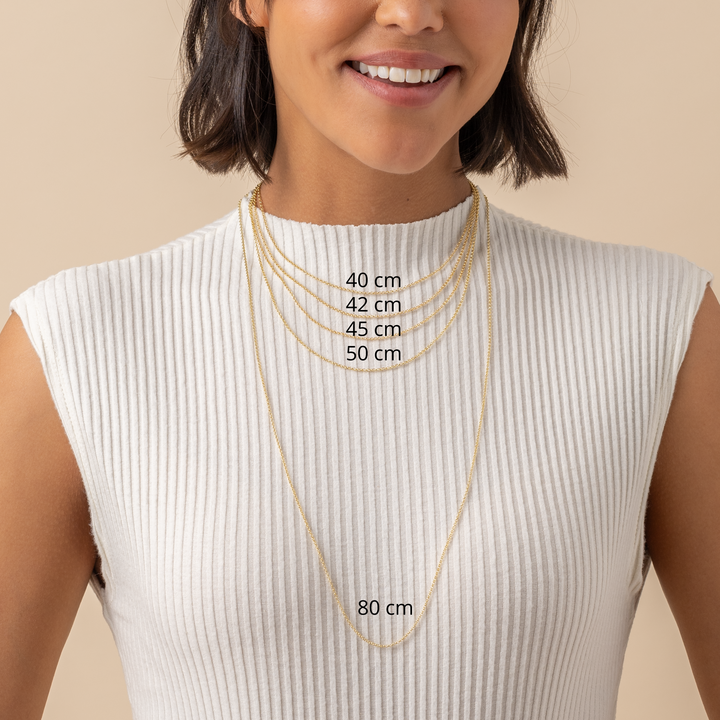
The pendant is 24 mm (about 0.9 inches), about the size of a US quarter and a little smaller than a 2-euro coin. It hangs from a single loop on a 45 cm (17.7 inch) gold vermeil chain with a lobster clasp and a 5 cm (2 inch) extender. 18K gold vermeil means 2.5 microns of 18K gold over solid sterling silver, nickel-free and hypoallergenic. To keep the gold bright, wipe it with a soft cloth and store it dry in its box.
Is there a silver version?
Yes. The embryo necklace also comes in sterling silver, at the same 24 mm. Choose the finish she already wears: the design is the same in both. For a set across early development, the fetus, 4 cell embryo and blastocyst necklaces also come in gold vermeil.
Is delivery free, and what if it isn't right?
Yes. DHL Express delivers free in 1-5 business days worldwide, and we pay the import duties and taxes, so nothing is due at the door. It arrives in a ready-to-gift jewelry box and festive envelope. If it isn't right, our 30-day “Love It or Return It” policy applies.
How do scientists tell the age of an embryo?
By its shape rather than its size or the calendar. In the early 1900s the anatomist Franklin Mall built a collection of human embryos and argued that they should be sorted by the structures they had formed. In 1914 he became the first director of the Carnegie Institution's new Department of Embryology in Baltimore, and the collection grew there. His successors turned the approach into the Carnegie stages: 23 steps that cover the first eight weeks, each defined by what can be seen, such as the first limb buds or the closing of the neural tube. Embryologists still use them today.

Human Anatomy
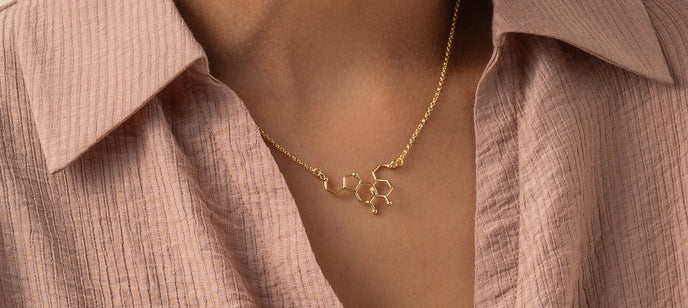
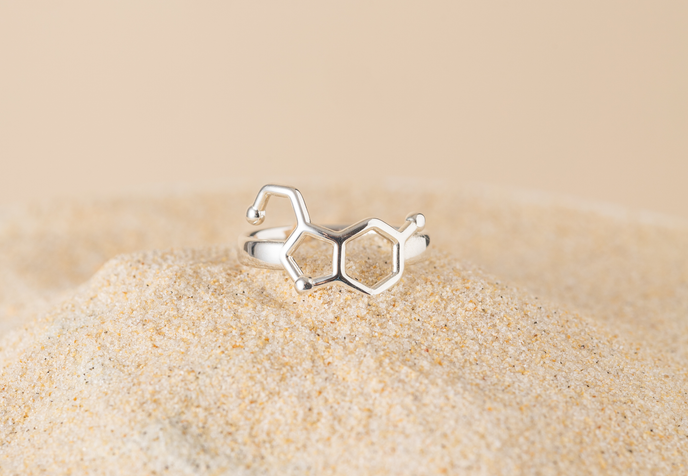
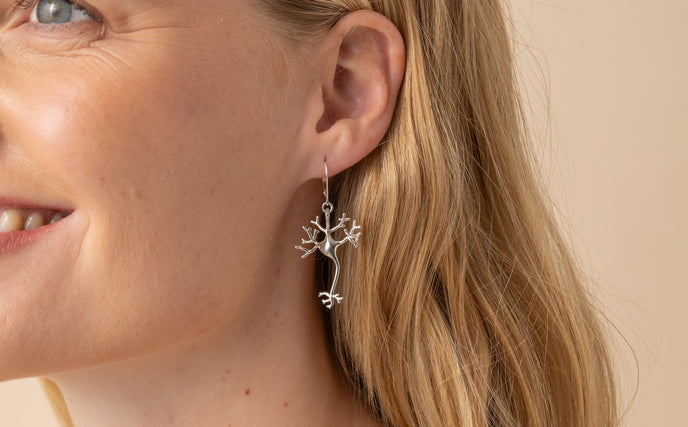
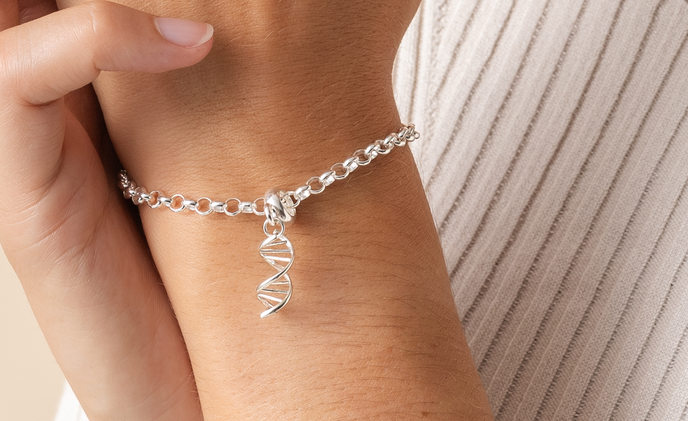
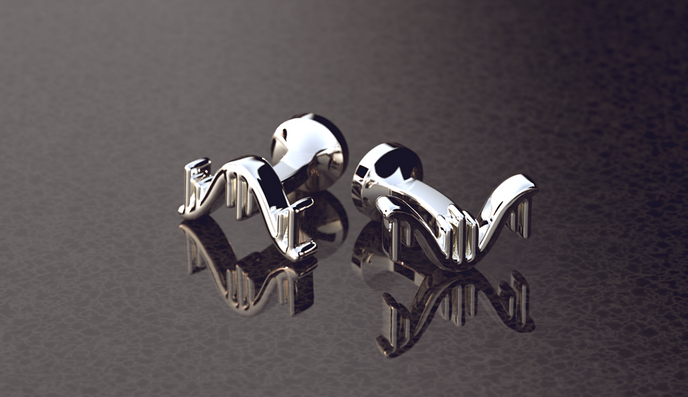
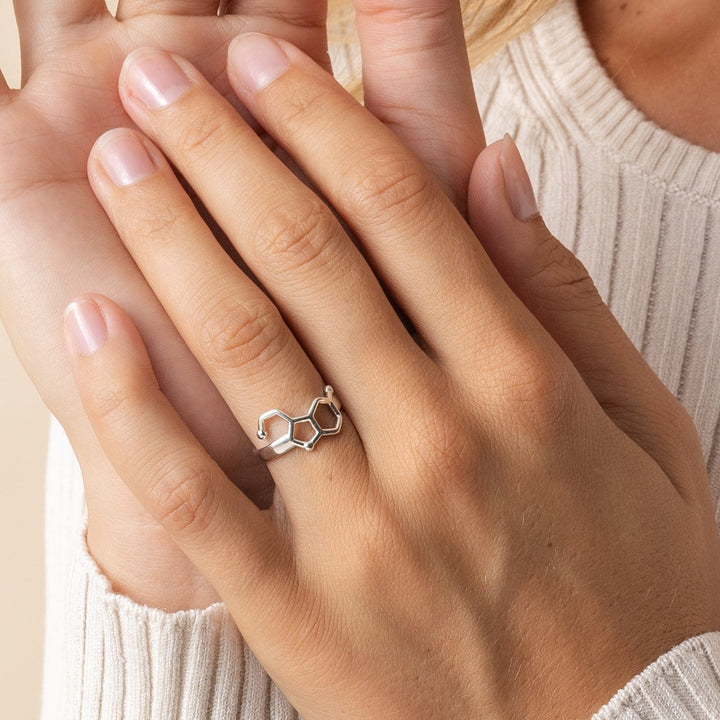
Anatomical wonders have never been so elegantly articulated. Our anatomical collection embodies the intricate and awe-inspiring structures that make us who we are. From DNA double helices to neuronal networks, our pieces don't merely imitate—they interpret. The collection serves as a tangible tribute to the hidden beauty within us all, elevating the realms of biology and medicine into wearable art. With exquisite attention to detail, each piece is a dialogue between form and function, revealing the enigmatic eloquence of the human body.
Find your perfect fit
Necklace length guide