€ 160


Still questions? Contact us
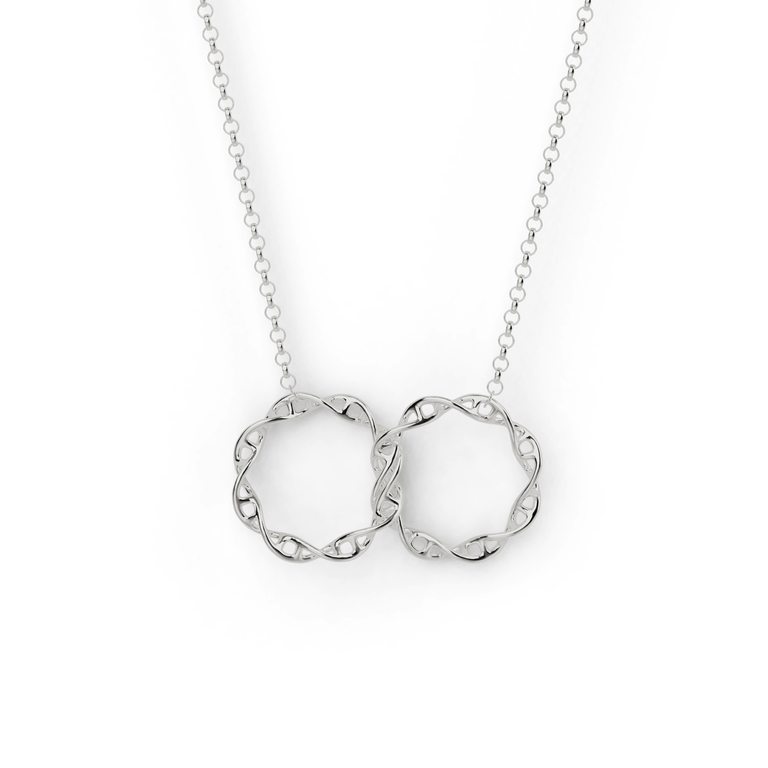
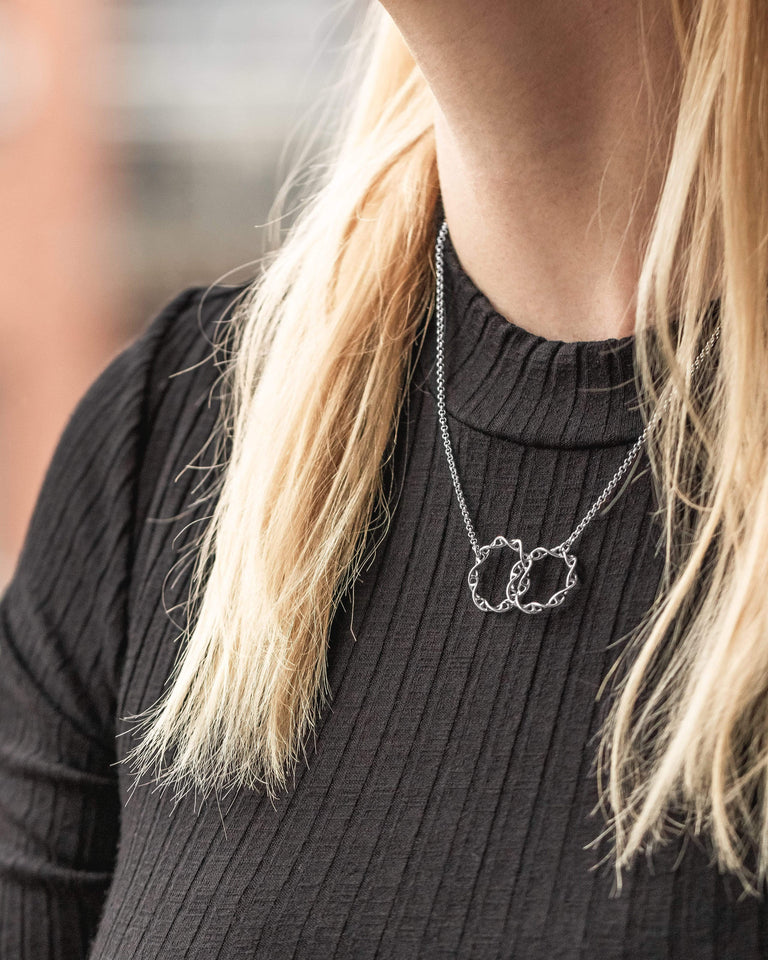
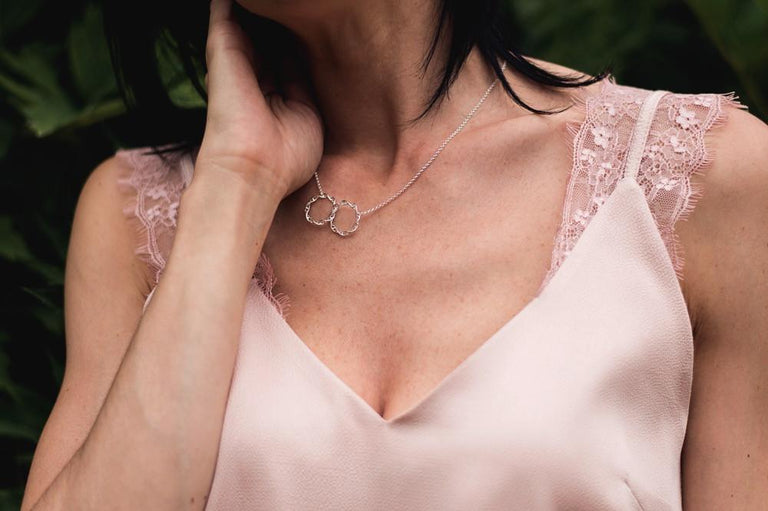
interlocked DNA necklace | sterling silver
Given to a twin sister “because of the symbolic two DNA loops intertwined”, this interlocked DNA necklace speaks to two people who are part of each other's lives. Its other meaning is plainer: a quiet way to wear a love of science.
Who It's For
- a woman who loves science, as a birthday present
- yourself, as a symbol of a love you share, or a piece to wear with any outfit
- a woman in molecular biology or genetics
- a researcher in DNA replication or chromosome biology
Rebecca D.: “This was a birthday present, which subtly celebrates my love for science.” Misha B.: “I bought the interlocking DNA as a gift to myself and as a symbol of the love I have with my partners as it creates a natural infinity symbol.”
How Trypanosomes Store Their Mitochondrial DNA
Trypanosomes and their close relatives, single-celled organisms with a whip-like tail, keep their mitochondrial DNA as one flat network called kinetoplast DNA. It is made of several thousand small circles, each linked to about three neighbours, woven together with a few dozen larger circles, like chain mail. In Crithidia fasciculata that means about 5,000 small circles and 25 large ones. The large circles carry genes for proteins, but many of their messages must be edited, letter by letter, before they can be used. The small circles supply most of the guide RNAs that direct those edits. RNA editing was first described in trypanosome mitochondria, in 1986.
Explore Related Genetics Jewelry
- interlocked DNA necklace | gold vermeil
- circular DNA necklace | silver
- crossed DNA ring | silver
- DNA necklace H | silver
FAQ
How big is the pendant, and how does it sit?
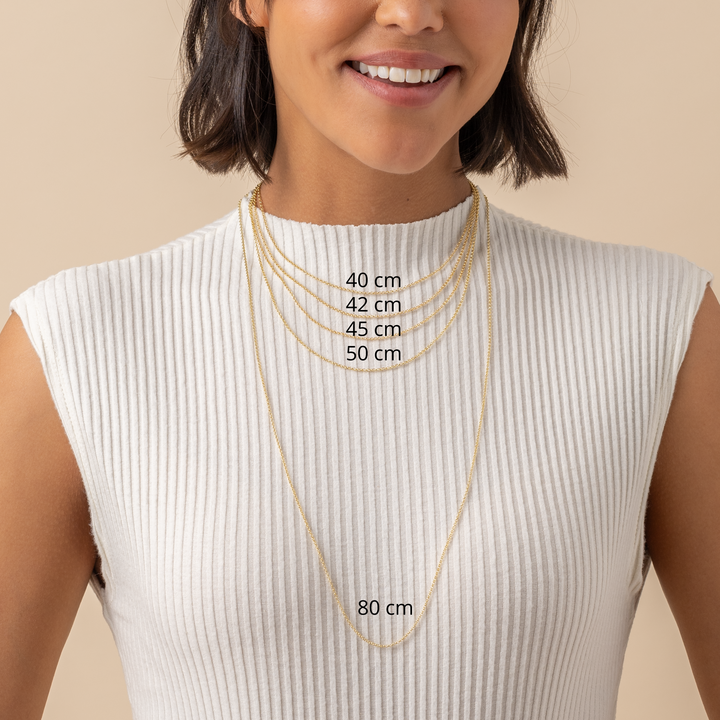
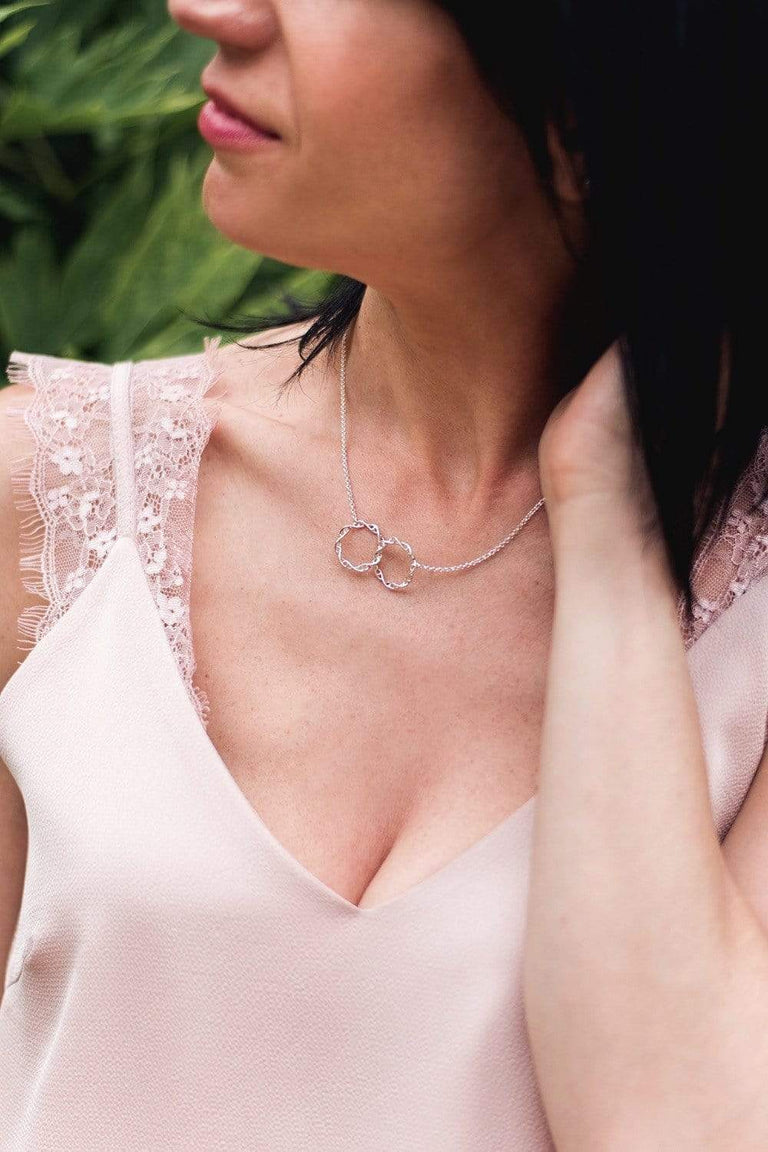
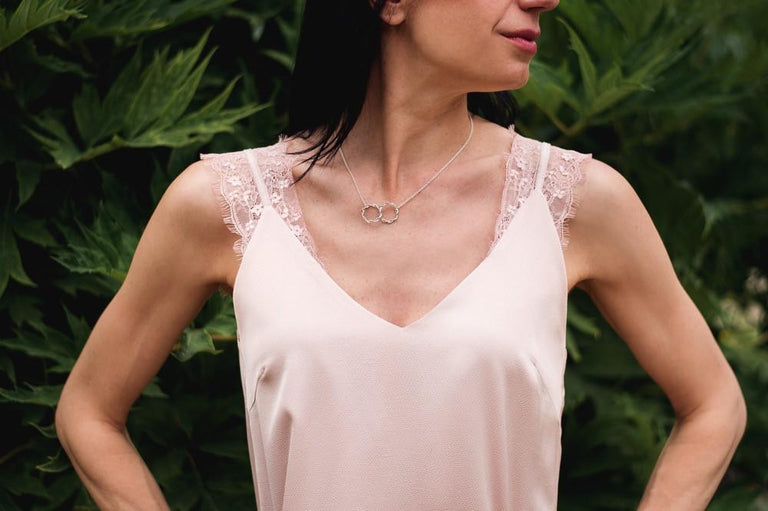
The pendant measures 36 mm (1.42 inches), about 10 mm more than a 2-euro coin. The chain runs through the top of each ring, so the two linked rings hang side by side. It sits around the collarbone on a 45 cm (17.7 inch) sterling silver chain with a 5 cm (2 inch) extender. Extra chains for layering are sold on this page: 40, 42, 45 or 50 cm with a 5 cm extender, or 80 cm. Our sterling silver is nickel-free and hypoallergenic.
Is there a gold version?
Yes. The interlocked DNA necklace also comes in 18K gold vermeil, at the same 36 mm on a 45 cm gold vermeil chain with a 5 cm extender. Choose the finish the recipient already wears: the design is the same in both. For a smaller DNA piece, the circular DNA necklace is a related design, 20 mm, in sterling silver and in gold vermeil.
Will it arrive in time, and what if it isn't right?
DHL Express delivers free in 1-5 business days worldwide, and we pay the import duties and taxes, so nothing is due at the door. It arrives in a ready-to-gift jewelry box and festive envelope. If it isn't right, our 30-day “Love It or Return It” policy applies.
Who made the first catenane, and why was it doubted?
Edel Wasserman at Bell Labs claimed it in 1960 and named it a catenane, from the Latin catena, chain. Lüttringhaus and Cramer had tried in 1958 without success. Wasserman left the threading to chance and his evidence was indirect, so the claim was doubted for decades. In 1983 Christiane Dietrich-Buchecker, Jean-Pierre Sauvage and colleagues used a copper ion to link rings more reliably, work behind Sauvage's share of the 2016 Nobel Prize in Chemistry, for molecular machines. In 2023 David Leigh's group repeated Wasserman's reaction and confirmed his catenane.
Genetics
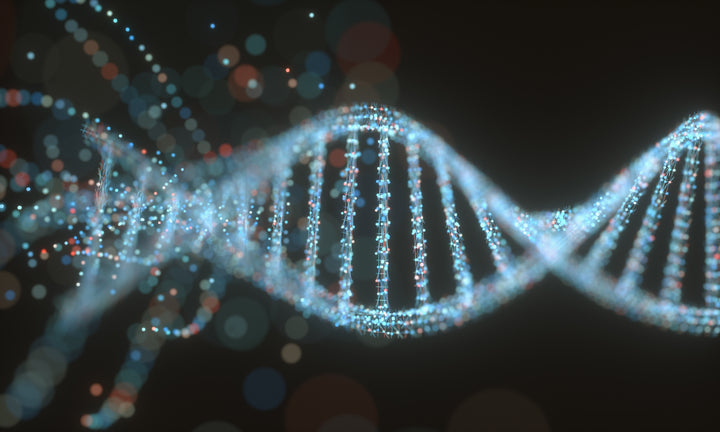
Our genetics-inspired jewelry captures the essence of life's code in striking detail. Crafted to mirror the DNA double helix, each piece is more than an aesthetic marvel—it's a tribute to the complexity of our genetic makeup. Far from ordinary, this collection combines scientific precision with artistic flair, making each item a captivating blend of form and function. It's not just an accessory; it's a meaningful representation of the miracle that is genetics.
Find your perfect fit: measure an Existing Ring
Finding out your ring size at home is a simple process and can help you shop for jewelry online with confidence.
Necklace length guide