€ 260


Still questions? Contact us
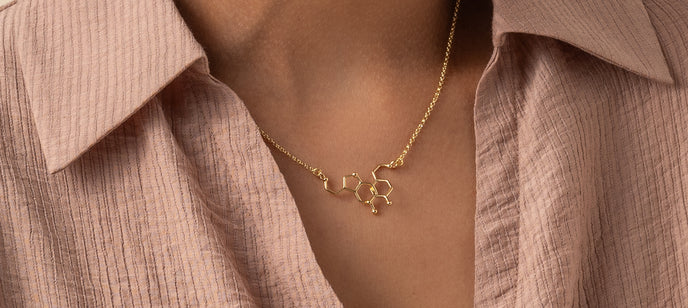
Mitosis necklace | gold vermeil
If you have spent enough time at a microscope, the metaphase plate is one of the more satisfying moments to see: chromosomes lined up across the cell's equator, spindle fibres pulling in both directions, the cell holding its breath before it commits.
The Science Behind Metaphase
Metaphase sits between prophase and anaphase. By the time a cell reaches it, the replicated chromosomes have condensed and lined up on the equatorial plane, the metaphase plate. The spindle assembly checkpoint then holds the cell there while it works out whether every chromosome has kinetochores attached to microtubules from opposite poles. One unattached kinetochore is enough to keep the whole cell waiting. Conly Rieder's lab showed this in 1995. They destroyed that last unattached kinetochore with a laser and the cell went straight into anaphase. When the checkpoint fails, chromosomes missegregate, which is one route to the aneuploidy found in most solid tumours.
The Audience
Cell biologists, geneticists, and oncology researchers whose work centres on cell division.
- cell biologists working on mitosis or chromosome dynamics
- oncology researchers studying chromosomal instability or aneuploidy
- cytogeneticists and genetic counsellors
- clinical pathologists who count mitotic figures in tumour samples
The piece tends to be chosen as a milestone gift for a defended thesis on cell-cycle biology, or as a personal piece for a researcher whose career has been spent on the spindle.
Explore Related Genetics Jewelry
- Mitosis necklace | silver
- XX chromosomes ring | silver
- Flat chromosome necklace | silver
- Circular DNA necklace | gold vermeil
- Interlocked DNA necklace | gold vermeil
Frequently Asked Questions
Why do cytogeneticists arrest cells at metaphase?
Because it is the point where chromosomes are condensed enough to count and band reliably. A karyotype starts with colcemid or colchicine, which strips the spindle and holds dividing cells at metaphase within an hour or two. Then the cells go onto a slide and the chromosomes spread. Every karyotype you have seen, prenatal or oncology, came from cells stopped here.
Why this stage rather than another?
Metaphase is the stage the field actually looks at. Textbook diagrams draw it, and every karyotype is made from it. It is also the last moment when nothing has been pulled apart yet. Anaphase cannot be undone, which is why the checkpoint sits where it does.
What are the specs and what is the return policy?
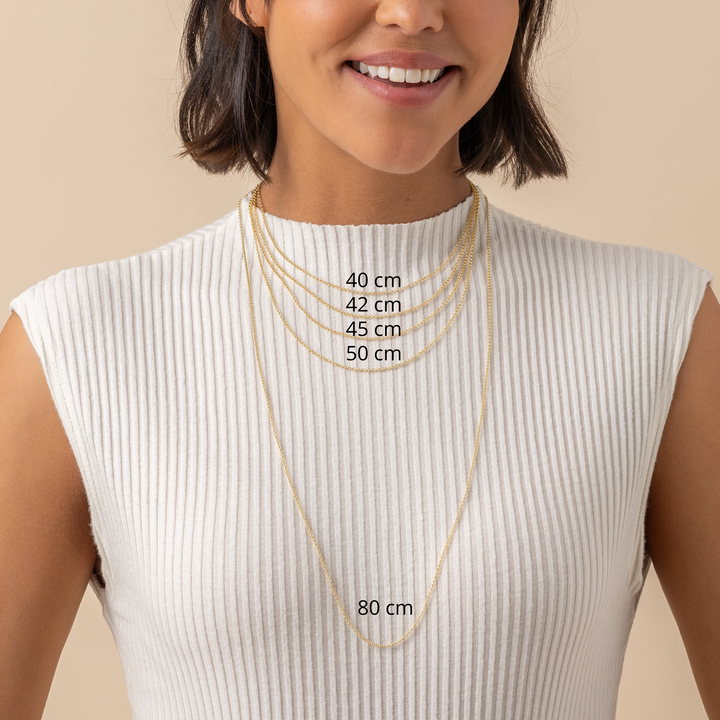
18K gold vermeil with sterling silver core and 2.5 micron gold plating, 41 mm pendant, 45 cm chain with a 5 cm extender. Nickel-free and hypoallergenic. Ships free worldwide via DHL Express in 1-5 business days, with all import duties and taxes covered. 30-day “Love It or Return It” returns.
Is this also available in silver?
Yes. The same 41 mm mitosis pendant is available in 925 sterling silver at the same size and chain length.
Genetics
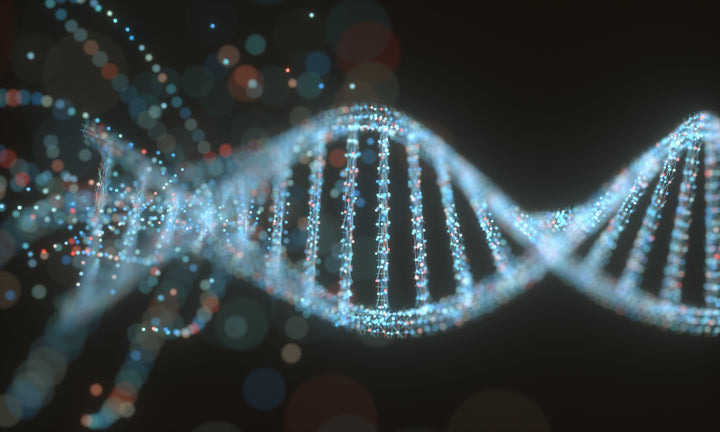
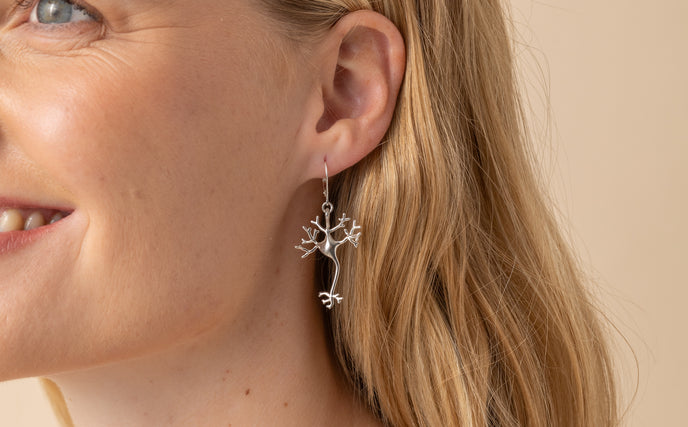
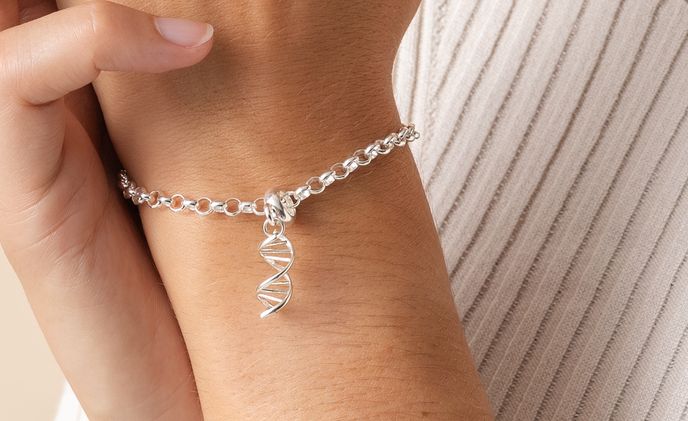
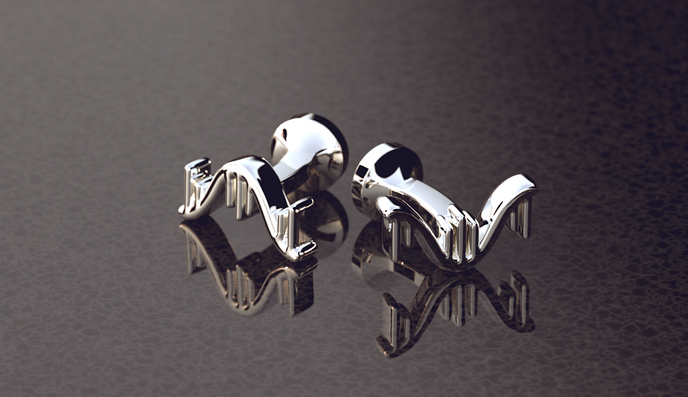
Our genetics-inspired jewelry captures the essence of life's code in striking detail. Crafted to mirror the DNA double helix, each piece is more than an aesthetic marvel—it's a tribute to the complexity of our genetic makeup. Far from ordinary, this collection combines scientific precision with artistic flair, making each item a captivating blend of form and function. It's not just an accessory; it's a meaningful representation of the miracle that is genetics.
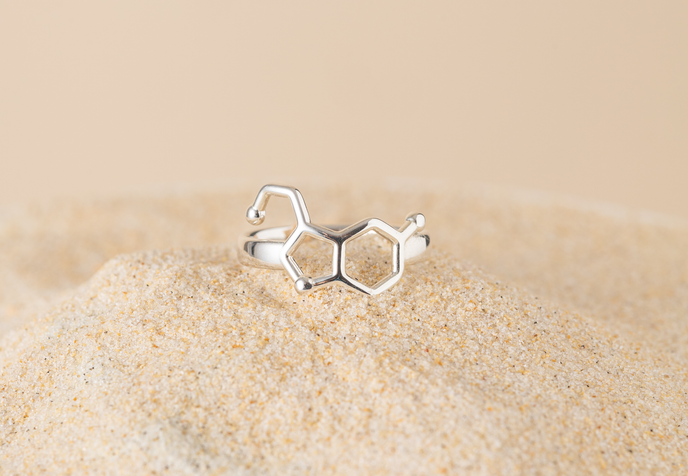
Find your perfect fit: measure an Existing Ring
Finding out your ring size at home is a simple process and can help you shop for jewelry online with confidence.
Necklace length guide