€ 150


Still questions? Contact us
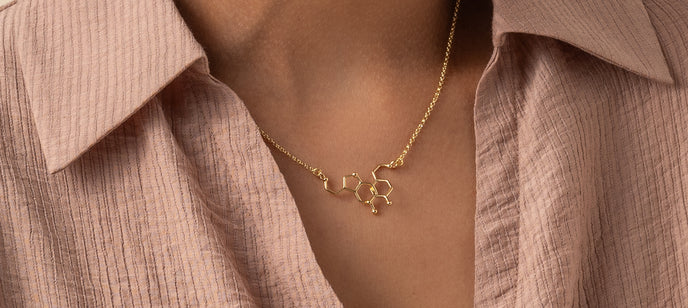
arginine necklace | sterling silver
The amino acid that turned an air pollutant into a Nobel Prize. In 1998, the discovery that the body produces nitric oxide from arginine (a gas previously known mainly as a pollutant) won three scientists the Nobel Prize in Physiology or Medicine. Arginine is central to vascular biology, protein synthesis, and one of the 20th century's most significant molecular discoveries.
The Science Behind Arginine
Nitric oxide (NO) is synthesised from L-arginine by nitric oxide synthase (NOS) enzymes and serves as a key vasodilatory signaling molecule. Robert Furchgott identified an endothelium-derived relaxing factor in blood vessels in the early 1980s. Louis Ignarro and Ferid Murad independently identified it as NO. Together they received the 1998 Nobel Prize. NO produced in endothelial cells diffuses into vascular smooth muscle, activates guanylyl cyclase, raises cGMP, and causes relaxation and vasodilation. This pathway is the basis of how nitroglycerin treats angina and how sildenafil works. Arginine is also the substrate for arginase in the urea cycle, converting toxic ammonia into urea for excretion, and is required for creatine synthesis and polyamine production.
A Quiet Symbol For
- cardiologists and vascular biologists
- biochemists studying the urea cycle or nitrogen metabolism
- exercise physiologists and sports scientists
- anyone drawn to how a single amino acid connects vascular function to Nobel discovery
A piece grounded in one of the most consequential molecular discoveries in modern medicine.
Explore Related Molecules Jewelry
- Cystine necklace | silver
- Glutamate necklace | silver
- Adrenaline necklace | silver
- Dopamine necklace H | silver
FAQ
Why is arginine scientifically significant?
Arginine is the substrate for nitric oxide synthesis. The discovery that the body produces nitric oxide (a gas) from arginine and uses it for vascular signaling earned the 1998 Nobel Prize and fundamentally changed how we understand blood vessel function and cardiovascular disease. Arginine is also central to the urea cycle, protein synthesis, and immune function.
Who would appreciate an arginine necklace?
Cardiologists, vascular biologists, biochemists, exercise physiologists, sports nutritionists, and anyone studying vascular function, immune response, or nitrogen metabolism. Also valued by medical students who remember arginine from biochemistry exams and researchers working with the urea cycle.
What are the material, size, and chain?
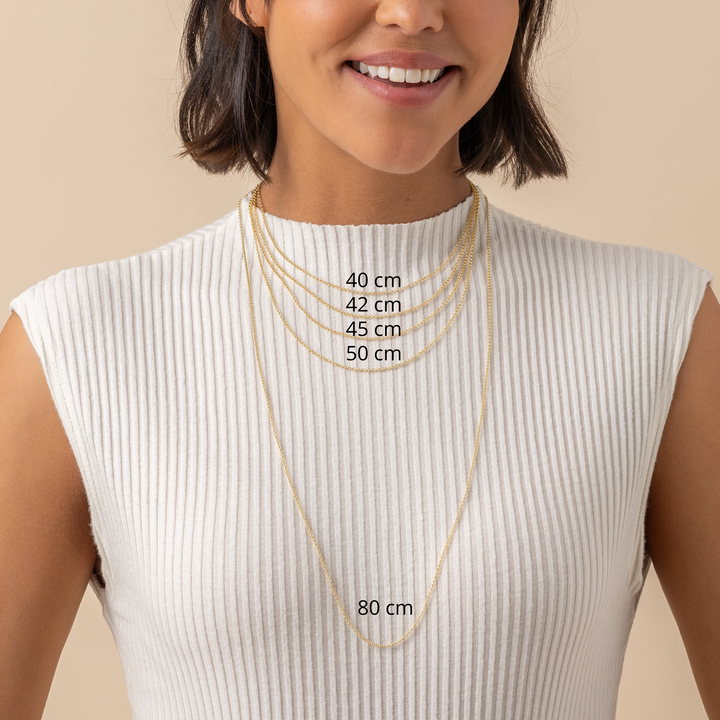
33 mm sterling silver pendant on a 45 cm sterling silver chain with 5 cm extender. 925 polished sterling silver, nickel-free and hypoallergenic. Ships free worldwide via DHL Express in 1-5 business days. Comes in a ready-to-gift jewelry box with the 30-day “Love It or Return It” policy.
Is this available in other materials?
Currently available in sterling silver. Contact us if you are interested in gold vermeil or other material options.
Molecules
Delve into the hidden elegance of science with our meticulously crafted jewelry, inspired by the intricate structures of chemical molecules. Each piece serves as a tactile tribute to the building blocks of life and matter, capturing the allure of atoms and bonds in precious metals. A harmonious fusion of art and science, these creations are more than mere accessories; they're a celebration of the enigmatic beauty that underpins our universe.
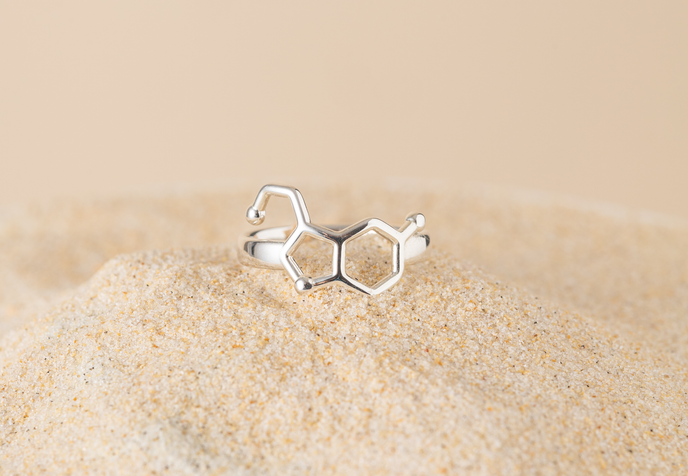
Find your perfect fit: measure an Existing Ring
Finding out your ring size at home is a simple process and can help you shop for jewelry online with confidence.
Necklace length guide