€ 145


Still questions? Contact us
Capsaicin necklace | sterling silver
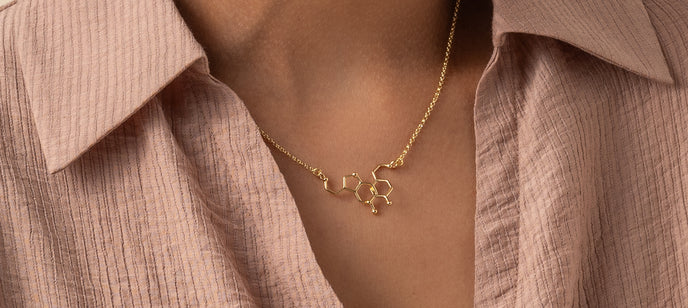
Capsaicin is the molecule that makes chili peppers hot. It does this by binding to TRPV1, a receptor designed to detect actual heat above 43 °C, and convincing it that something is burning. The nervous system cannot tell the difference, which is the whole point. Worn here as a 35 mm sterling silver pendant.
The Science Behind Capsaicin and TRPV1
TRPV1, the transient receptor potential vanilloid 1 channel, is a non-selective cation channel on nociceptive neurons that opens in response to heat above 43 °C, low pH, and capsaicin. David Julius at UCSF used capsaicin as a molecular tool to clone the receptor in 1997, then used the receptor to elucidate the structural basis of mammalian thermosensation. He shared the 2021 Nobel Prize in Physiology or Medicine with Ardem Patapoutian for that work. Repeated capsaicin exposure desensitises TRPV1, which is why capsaicin-based topical creams produce long-lasting analgesia in chronic neuropathic pain: the burn comes first, then depletion of the neuropeptides (substance P and CGRP) that mediate pain signalling.
A Quiet Symbol For
- pain researchers and neuropharmacologists
- neuroscientists working on TRP channels or thermosensation
- food scientists and sensory researchers
- anyone who has read the 2021 Nobel citation and wanted to wear the molecule it turned on
For the researcher who knows that the burn in your mouth and the 2021 Nobel Prize come from the same binding event.
Explore Related Molecules Jewelry
- Anthocyanin necklace | silver
- Glutamate necklace | silver
- Psilocybin necklace | silver
- Chlorophyll necklace | silver
- Juniper necklace | silver
FAQ
Is the pendant for spicy-food fans or for working scientists?
Most often working scientists, in practice. Pain researchers, TRP-channel labs, sensory neuroscience groups, and the post-2021 cohort of new PhDs in thermosensation all buy it as a discipline marker. The spicy-food reading is real but secondary. The pendant carries the receptor pharmacology, not the dinner menu.
How does capsaicin become a long-lasting painkiller?
By exhausting the system that signals pain. Acute capsaicin exposure activates TRPV1, depolarising nociceptive neurons and releasing substance P and CGRP. Repeated exposure depletes those neuropeptides faster than the neurons can resynthesise them, and the same neurons become functionally desensitised to other painful stimuli too. High-concentration capsaicin patches (Qutenza) use this directly to treat post-herpetic neuralgia and diabetic neuropathy.
What size is the pendant and what chain comes with it?
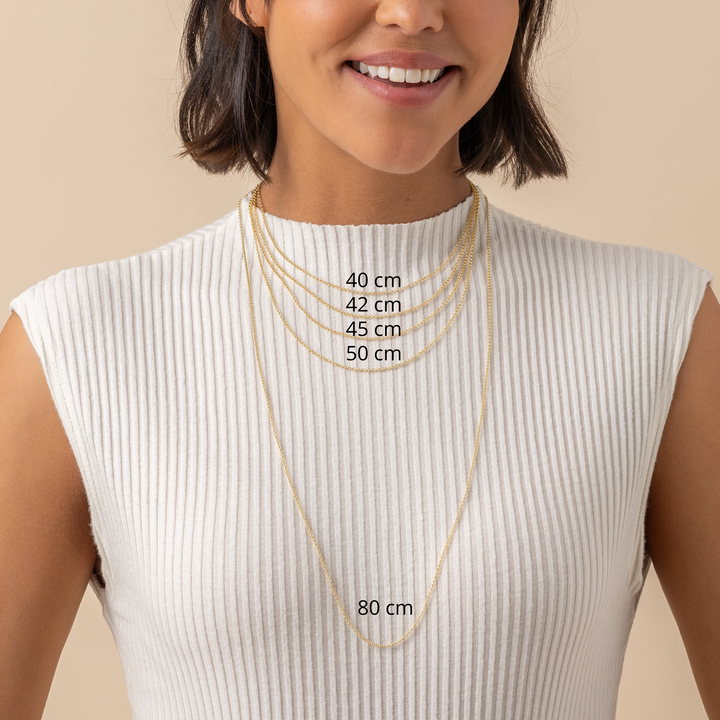
925 sterling silver, 35 mm pendant on a 45 cm sterling silver chain with a 5 cm extender. Nickel-free and hypoallergenic. Free worldwide DHL Express in 1-5 business days, with all import duties and taxes covered. 30-day “Love It or Return It” returns.
Is there a gold version of capsaicin?
Not at present. The capsaicin pendant is sterling silver only. Other plant-secondary-metabolite molecules in the catalogue (anthocyanin, chlorophyll, juniper) are also silver only. If a gold molecule pendant is the goal, glucose, caffeine, or tocopherol cover related themes in both materials.
Molecules
Delve into the hidden elegance of science with our meticulously crafted jewelry, inspired by the intricate structures of chemical molecules. Each piece serves as a tactile tribute to the building blocks of life and matter, capturing the allure of atoms and bonds in precious metals. A harmonious fusion of art and science, these creations are more than mere accessories; they're a celebration of the enigmatic beauty that underpins our universe.

Find your perfect fit: measure an Existing Ring
Finding out your ring size at home is a simple process and can help you shop for jewelry online with confidence.
Necklace length guide