€ 230


Still questions? Contact us
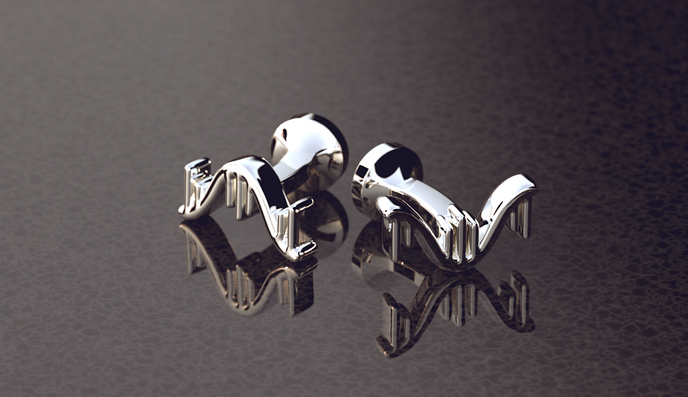
DNA cufflinks | sterling silver
DNA is the molecule that everyone in the room has heard of and that fewer people in the room can sketch from memory. Watson and Crick's 1953 structure paper is among the most cited single biology articles ever published. The double helix has earned the wear at the cuff of a formal shirt.
The Science Behind the Double Helix
The Watson-Crick structure paper was published in Nature in April 1953, but the genetic code took another decade to crack. The 64 codons and their amino-acid assignments were worked out by Marshall Nirenberg, Har Gobind Khorana, and Robert Holley, who shared the 1968 Nobel Prize in Physiology or Medicine. The B-DNA form is the most common conformation under physiological conditions. The major and minor grooves running along the helix provide the surfaces where DNA-binding proteins make sequence-specific contacts. Most transcription factors, polymerases, and repair enzymes recognise their target sequences through the major groove.
Who Will Recognise It
The audience clusters around genetics and molecular biology:
- molecular biologists and geneticists who present in formal attire
- physicians with a research or genetics background
- academic leaders, deans, and conference keynote speakers
- people receiving an honorary degree or major award
- anyone who wants something from their field at the cuff of a tuxedo
Explore Related Genetics Jewelry
- DNA necklace V | silver
- DNA necklace V | gold vermeil
- RNA cufflinks | silver
- CRISPR necklace | silver
FAQ
Are these formal enough for a black-tie event?
Yes. The cufflinks are made for French and double-button cuff shirts and read as appropriately formal alongside dinner jackets and full evening wear. The double helix is recognisable enough to register without being loud. Many wearers pick them precisely because they sit at the line between formal jewellery and field-specific reference.
Why was the DNA structure such a turning point?
Because the structure suggested the function. Watson and Crick's 1953 paper ends with the famous understatement about it not having escaped their notice that the specific pairing of bases suggests a possible copying mechanism for the genetic material. The double helix gave biology a physical model for heredity at the molecular level for the first time, and most of modern molecular biology grew from that single proposal.
What is the size, material, and back type?
20 mm cufflinks in 925 sterling silver, nickel-free, sold as a matched pair with bullet-back closures. No chain. Ships free worldwide via DHL Express in 1-5 business days, with all import duties prepaid. Come in a ready-to-gift jewelry box with the 30-day “Love It or Return It” policy.
Is there an RNA version?
Yes. The RNA cufflinks are also available in sterling silver as a matched pair. Some wearers buy both as a paired set, or as a left-cuff DNA, right-cuff RNA setup that registers with anyone who notices.
Genetics
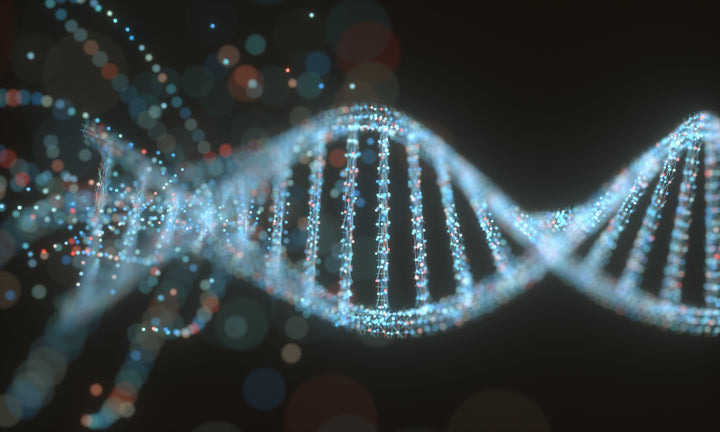
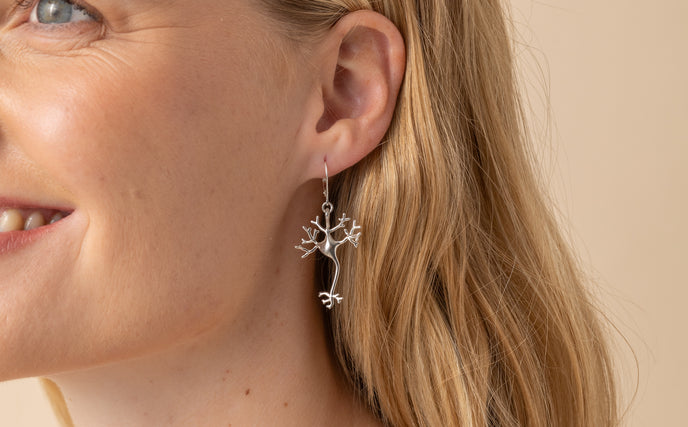
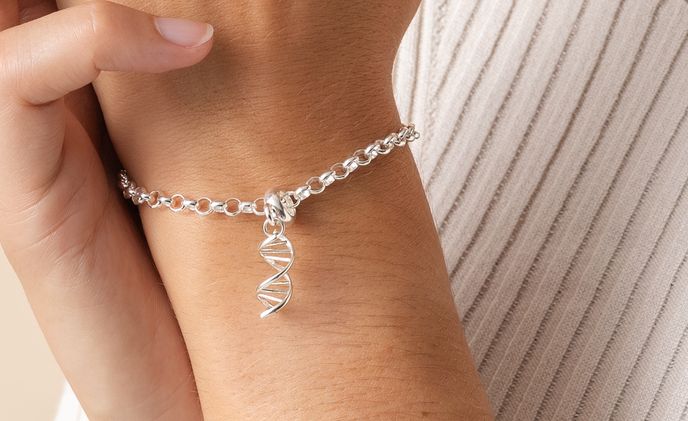
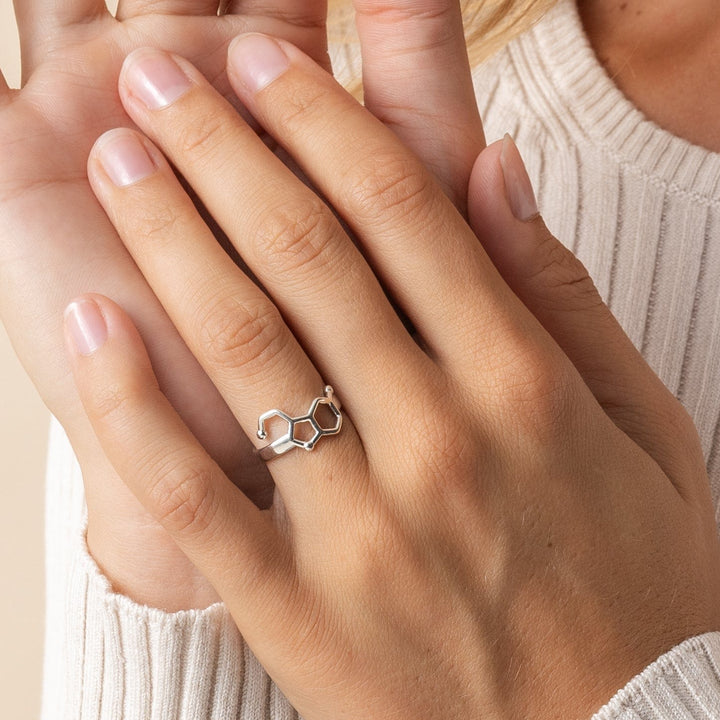
Our genetics-inspired jewelry captures the essence of life's code in striking detail. Crafted to mirror the DNA double helix, each piece is more than an aesthetic marvel—it's a tribute to the complexity of our genetic makeup. Far from ordinary, this collection combines scientific precision with artistic flair, making each item a captivating blend of form and function. It's not just an accessory; it's a meaningful representation of the miracle that is genetics.
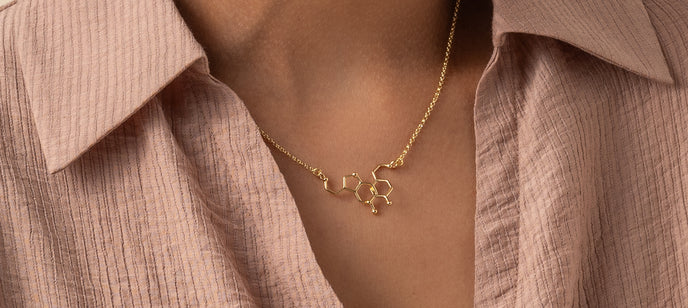
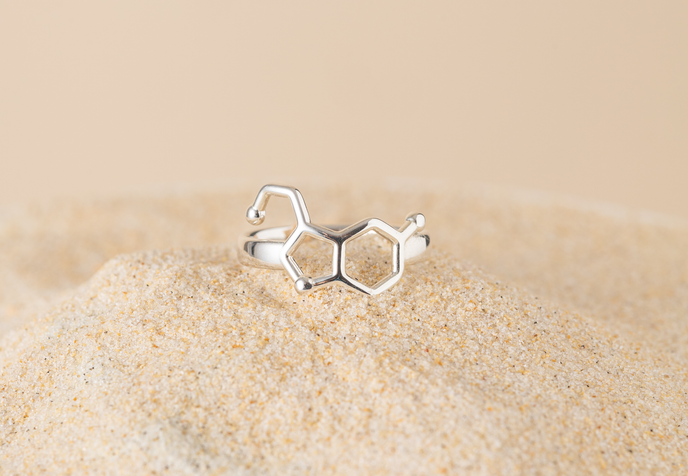
Find your perfect fit
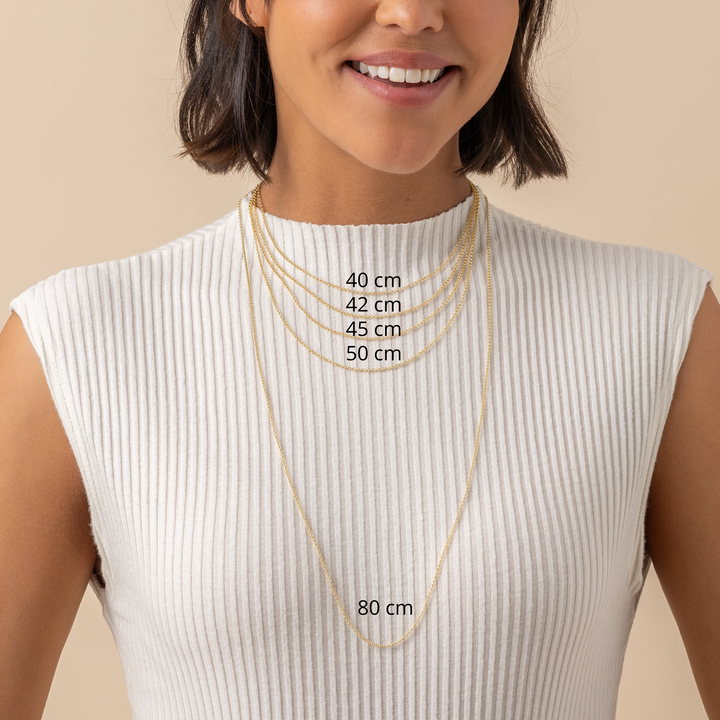
Necklace length guide