€ 185


Still questions? Contact us
Ebola virus necklace | 18K gold vermeil
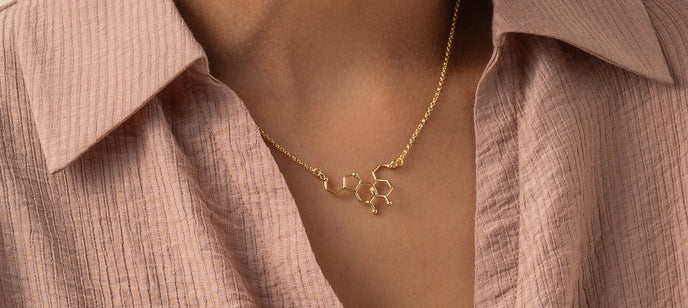
Some people choose to work on the viruses most of us would rather not think about, in the lab, the clinic or the field. This Ebola virus necklace in 18K gold vermeil is a gift for the virologist, infectious disease doctor or outbreak nurse in your life, or for a microbiology student who has found her subject.
Who It's For
- a virologist, on the day she defends her PhD
- a friend coming home from outbreak work with a medical aid team
- an infectious disease doctor or nurse, for her birthday
- an epidemiologist, when she starts a new post in public health
- yourself, if gold vermeil is what you wear every day
The First Treatments That Worked
For decades there was no treatment for Ebola beyond supportive care, keeping patients hydrated and stable while their bodies fought the virus. That changed during the outbreak in the eastern Democratic Republic of the Congo that began in 2018. A trial there compared four experimental treatments side by side, in the middle of the outbreak. Two of them, both made of antibodies that latch on to the virus's outer protein, saved clearly more lives than the other two, and in 2019 the trial was stopped early so every new patient could receive one of them. They work best when given early. Both were approved in the United States in 2020.
Explore Related Virus Jewelry
- ebola virus necklace | silver
- antibody necklace | gold vermeil
- coronavirus necklace | gold vermeil
- West Nile virus necklace | gold vermeil
FAQ
How big is the pendant, and what chain comes with it?
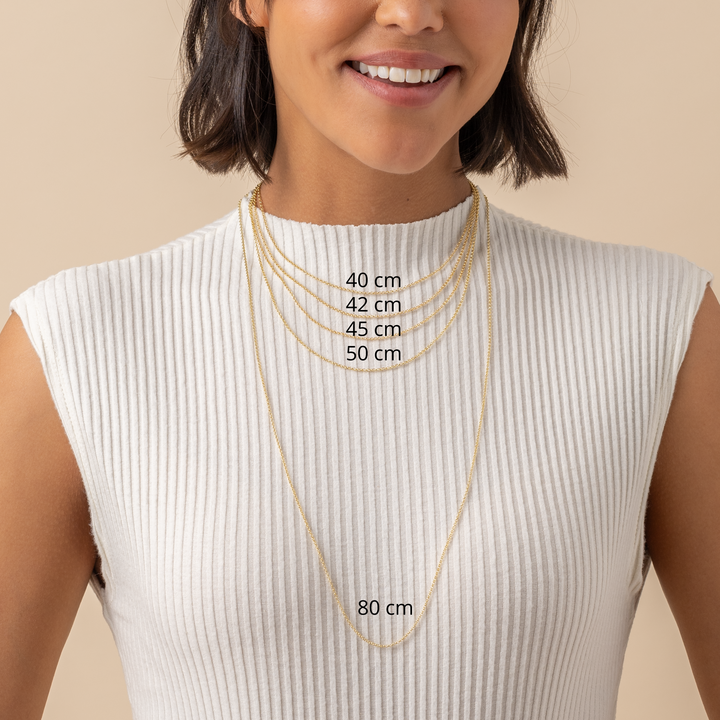
The pendant is 30 mm (about 1.2 inches) wide, about 4 mm wider than a 2-euro coin. It hangs sideways, attached to the chain at both ends, and sits just below the collarbone. The chain is 45 cm (17.7 inches) of gold vermeil with a lobster clasp and a 5 cm (2 inch) extender. 18K gold vermeil means 2.5 microns of 18K gold over solid sterling silver, nickel-free and hypoallergenic.
Is there a silver version?
Yes. The Ebola virus necklace also comes in sterling silver, at the same 30 mm on the same 45 cm chain with a 5 cm extender, and sits the same way. Choose the finish the recipient already wears: the design is the same in both.
Is delivery free, and what if it isn't right?
Yes. DHL Express delivers free in 1-5 business days worldwide, and we pay the import duties and taxes, so nothing is due at the door. It arrives in a ready-to-gift jewelry box and festive envelope. If it isn't right, our 30-day “Love It or Return It” policy applies.
Who was there at the start?
The Congolese doctor Jean-Jacques Muyembe-Tamfum. In 1976 he traveled to Yambuku to investigate a mysterious outbreak and took some of the first blood samples from patients, before anyone knew the virus existed. He has spent more than four decades working on Ebola. One of the two antibody treatments that proved itself in 2019 came from a survivor of the 1995 outbreak in Kikwit, whose blood still carried protective antibodies 11 years later. His institute in Kinshasa helped find it, working with scientists at the US National Institutes of Health.
Cellular Biology
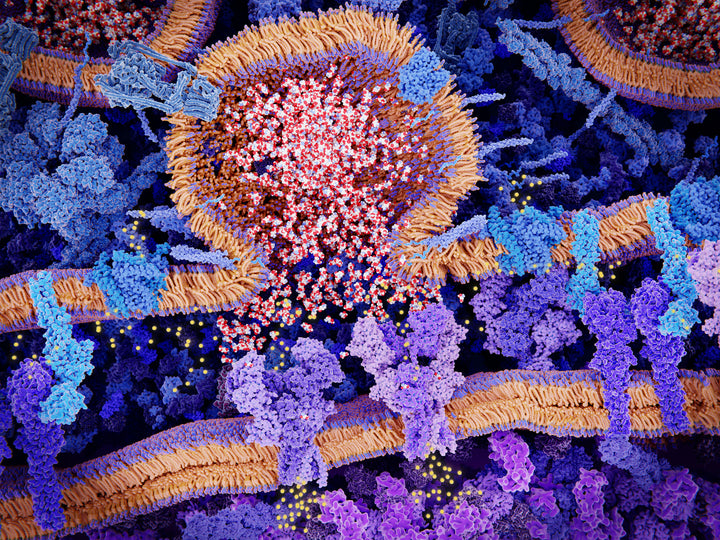
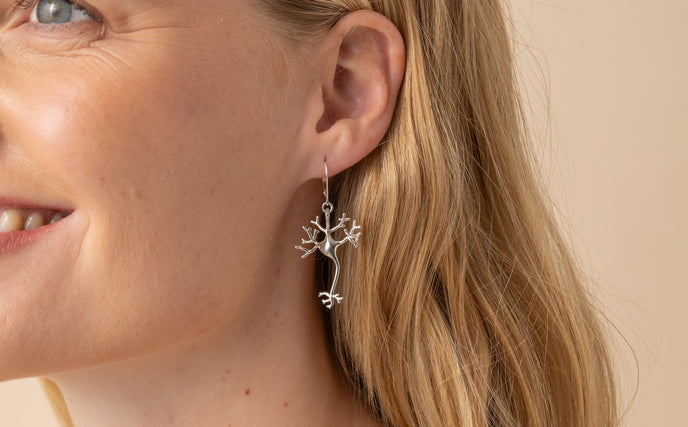
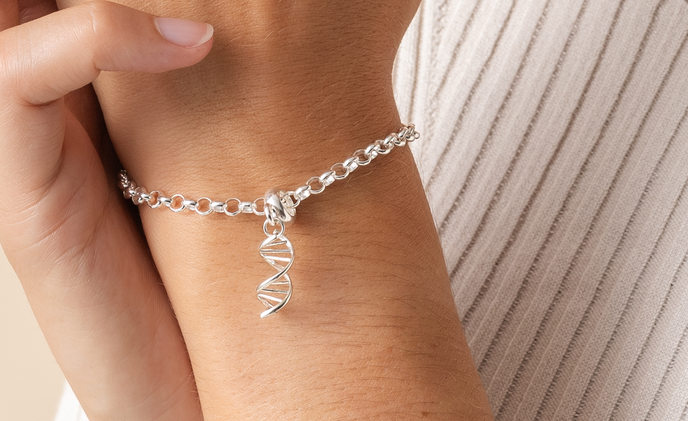
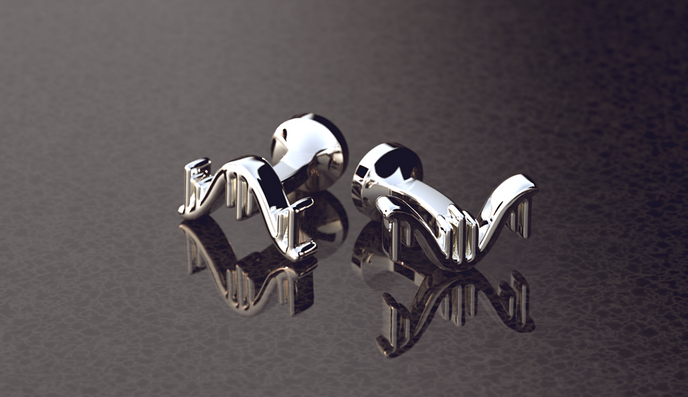
Step into the fascinating world of cellular biology through our unique jewelry designs. These pieces serve as wearable reflections of life's microscopic wonders, capturing the aesthetics of DNA strands, cellular formations, and more. Far from simple adornments, they spark dialogue and honor the captivating complexities found within biological research. Merging scientific accuracy with artistic flair, each creation offers a tactile experience that bridges the gap between scientific inquiry and aesthetic appreciation.
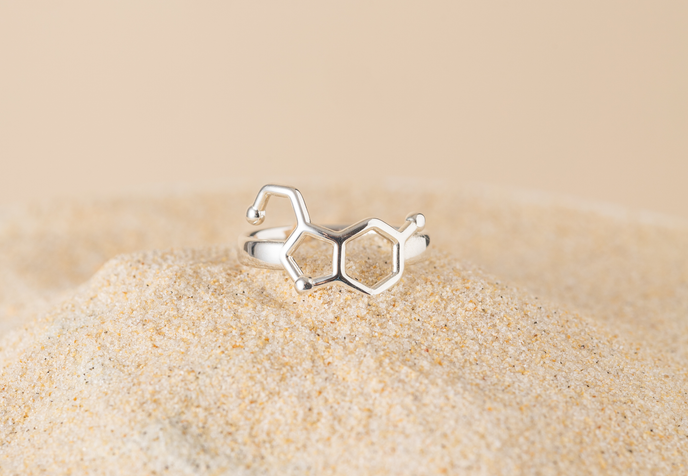
Find your perfect fit: measure an Existing Ring
Finding out your ring size at home is a simple process and can help you shop for jewelry online with confidence.
Necklace length guide