€ 280


Still questions? Contact us
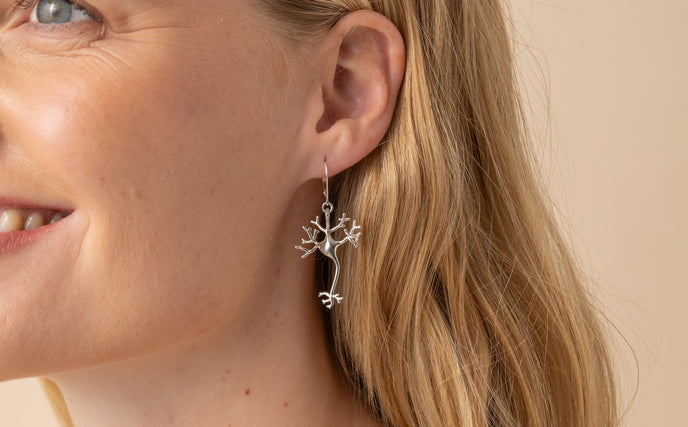
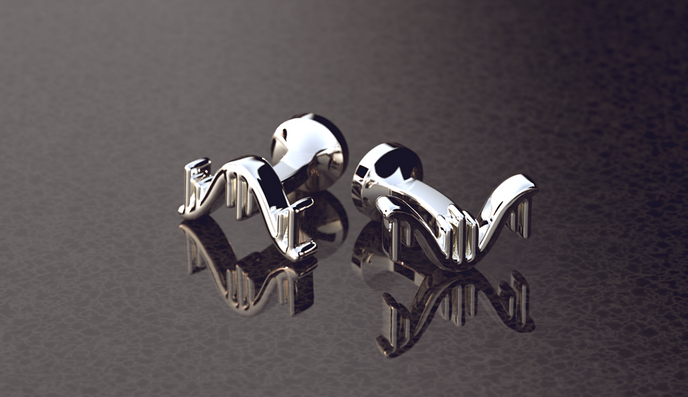
Eppendorf earrings | gold vermeil
Eppendorf rates its 1.5 mL tubes for -86 °C to 100 °C, a span of 186 degrees. A molecular biologist with Eppendorf earrings in gold vermeil might heat her samples near the top of that range and store them near the bottom, in a freezer at -80 °C.
Who It's For
- a daughter who lectures in biology
- a girlfriend in the lab who wears gold
- a lab partner you have shared a bench with
- a scientist, for a present a little out of the ordinary
- yourself, if you use these tubes every day
Kirk B., on the silver Eppendorf necklace: “This was the perfect gift.”
How a Sample Can Vanish Into Its Tube
Some molecules stick to the tube that holds them. In a 2015 study, Kristensen and colleagues at the Technical University of Denmark left solutions of three small peptides, one of them melittin from honeybee venom, in ordinary glass vials and plastic lab tubes for an hour. At the lowest concentration they tested, only 10 to 20% of the peptide could be recovered. Most of it had stuck to the container walls. Low-binding tubes, made so that less of a sample clings to the plastic, exist for this reason, for work with proteins, peptides and DNA.
Explore Related Lab Jewelry
- eppendorf earrings | silver
- eppendorf necklace | gold vermeil
- eppendorf necklace | silver
- pipette necklace | gold vermeil
FAQ
How big are they, and how do they fasten?
Each earring measures 24 mm (about 0.9 inch), not counting the hook. That is 0.26 mm less than the width of a US quarter (24.26 mm). Each one hangs straight down from a gold vermeil leverback hook that clips closed behind the earlobe. Our vermeil is 2.5 microns of 18K gold over solid sterling silver.
Is there a silver pair, or a matching necklace?
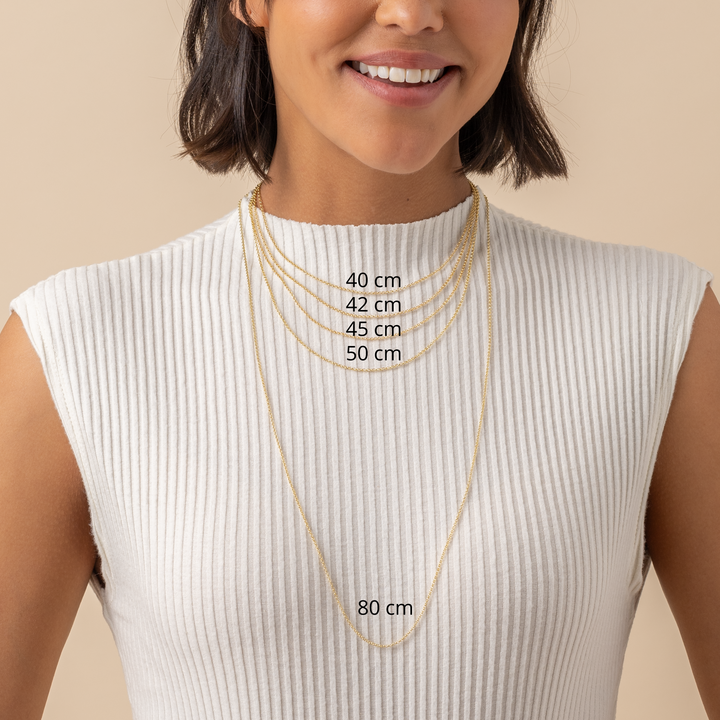
Yes, the Eppendorf earrings also come in sterling silver, at the same 24 mm size, on sterling silver leverback hooks. Choose the finish the recipient already wears. The design is the same in both. For a set in one metal, the Eppendorf necklace comes in gold vermeil, a 31 mm pendant on a 45 cm gold vermeil chain with a 5 cm extender. It also comes in sterling silver.
Will they arrive in time, and what if they aren't right?
DHL Express delivers them free worldwide in 1-5 business days, and we pay the import duties and taxes, so nothing is due at the door. They arrive in a ready-to-gift jewelry box and festive envelope. If they aren't right, our 30-day “Love It or Return It” policy applies to unworn earrings.
Who first moved bacteria from petri plates into test tubes in space?
NASA astronaut Peggy Whitson, a biochemist, on the space station in 2017. She moved cells from bacterial colonies on petri plates into miniature test tubes, which NASA says had never been done in space. Then Hurricane Harvey cut off Johnson Space Center in Houston, where the project's lead, microbiologist Sarah Wallace, worked. Controllers in Alabama put Wallace through to the station on her own mobile phone, and she guided Whitson through sequencing the DNA. It was the first time the whole sample-to-sequence process was done entirely aboard the station.

Medical & Lab tools
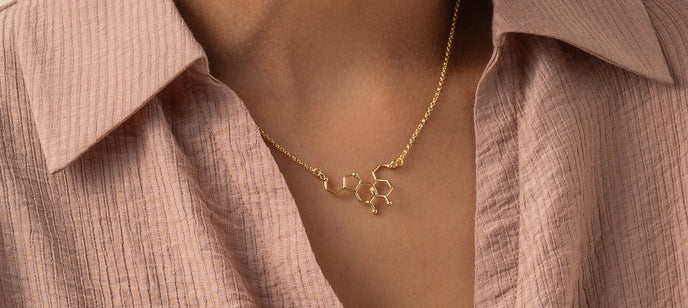
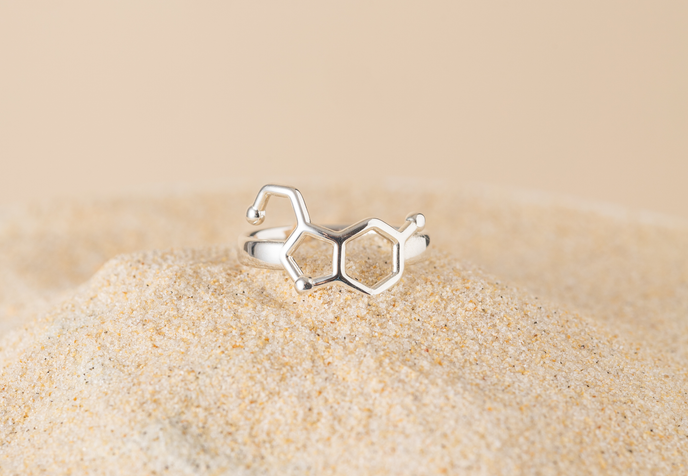
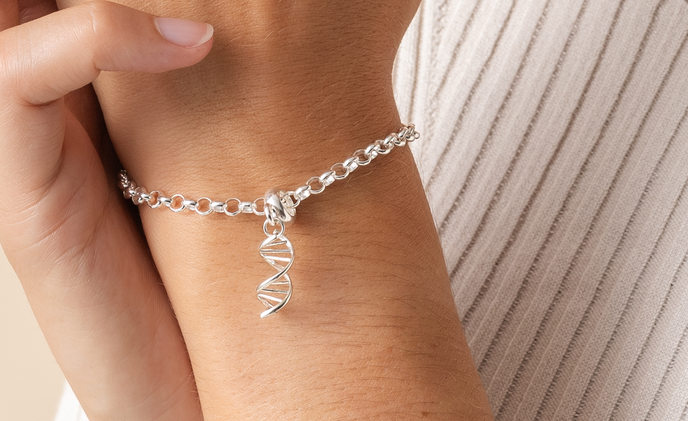
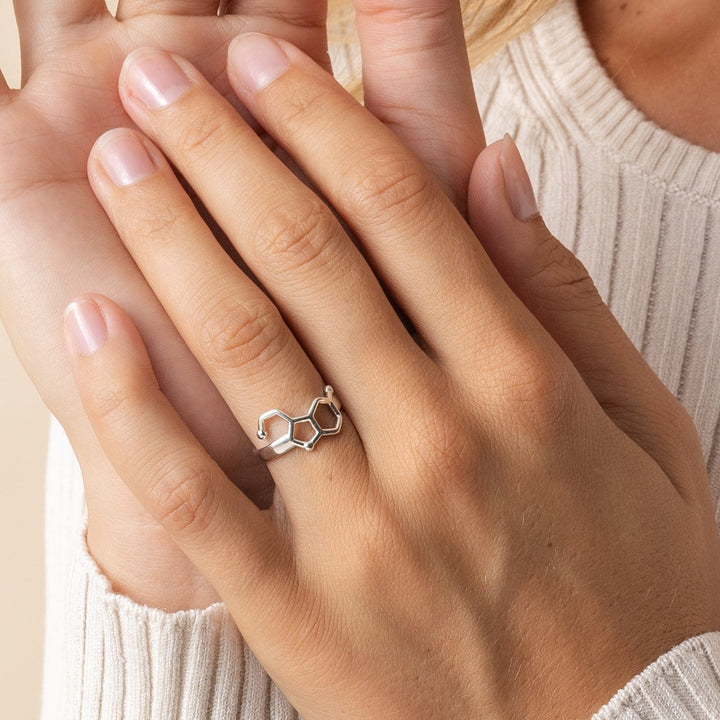
Dive into the captivating world of science-inspired jewelry, where intricate designs meet the essence of medical and laboratory tools. These masterfully crafted pieces act as subtle yet striking tributes to the instruments that have paved the way for scientific discovery. From DNA helices to microscope charms, each piece serves as a conversation starter, a talisman, and a small monument to human ingenuity. They're not just accessories; they're wearable artifacts that tell a story of scientific exploration and advancement.
Find your perfect fit
Necklace length guide