$435


Still questions? Contact us
Gastro-intestinal tract necklace | sterling silver
One reviewer bought this gastro-intestinal tract necklace for a friend who completed her dietetic internship. Nutrients from a meal are absorbed at different points along that tract. Vitamin B12 from food, for one, needs intrinsic factor, a protein made in the stomach, and is taken up near the far end of the small intestine.
Who It's For
- a gastroenterologist
- a GI or endoscopy nurse
- a researcher who studies the gut microbiome
- a student of physiology or medicine
- yourself, if you work in gastroenterology or nutrition
The Gut's Inner Surface, Measured Again
Textbooks long put the inner surface of the human gut at 260 to 300 square metres, roughly a tennis court. In 2014 Helander and Fändriks went back to the measurements, adding their own from biopsies of normal gut lining in adults. Villi and the microvilli on each cell enlarge the small intestine's surface 60 to 120 times, and circular folds in its wall add about 1.6 times more. Even so, the whole digestive tract came to about 32 square metres, around 2 of them in the large intestine. That is less than half a badminton court. Measured in living people, the tract from mouth to anus runs about 5 metres on average, two thirds of it small intestine.
Explore Related Anatomy Jewelry
- stomach necklace | silver
- liver necklace | silver
- pancreas necklace | silver
- kidney necklace | silver
FAQ
How big is the pendant, and how does it sit?
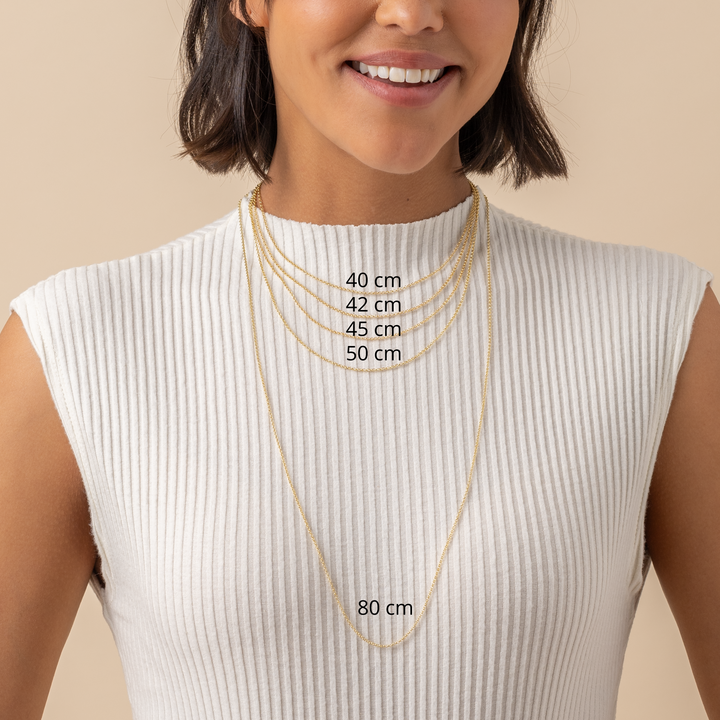
The pendant measures 31 mm (about 1.2 inches), 5.25 mm more than a 2-euro coin (25.75 mm). It hangs upright from a small ring at its top and sits below the collarbone on a 45 cm (17.7 inch) sterling silver chain with a 5 cm (2 inch) extender. Our 925 sterling silver is nickel-free and hypoallergenic.
Does it come in gold vermeil, or as earrings?
No. The gastro-intestinal tract necklace comes in sterling silver only, and there are no matching earrings. Choose the finish the recipient already wears. For someone who wears gold, the pancreas and kidney necklaces come in 18K gold vermeil as well as in sterling silver. The stomach necklace is a 16 mm pendant, also in sterling silver only.
Will it arrive in time, and what if it isn't right?
DHL Express delivers it free worldwide in 1-5 business days, and we pay the import duties and taxes, so nothing is due at the door. It arrives in a ready-to-gift jewelry box and festive envelope. If it isn't right, our 30-day “Love It or Return It” policy applies.
What did Elsie Widdowson and R. A. McCance find in brown bread?
That people absorbed less calcium from brown bread than from white. Wartime Britain, short of wheat, was considering flour that kept more of the grain. In balance studies on healthy adults, published in 1942, they compared flour keeping 92 per cent of the grain with flour keeping 69 per cent. Less calcium was absorbed from the brown, and they traced the cause to phytic acid. The government then had calcium carbonate added to flour, as the two had advised. British law still requires it in most wheat flour, wholemeal excepted.
Human Anatomy
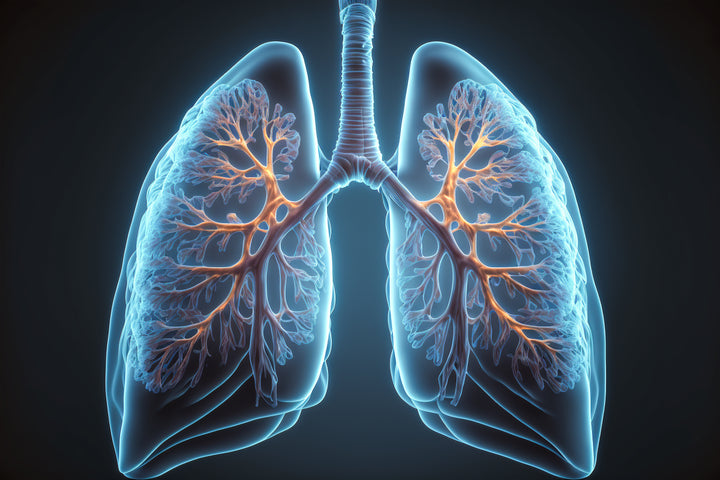
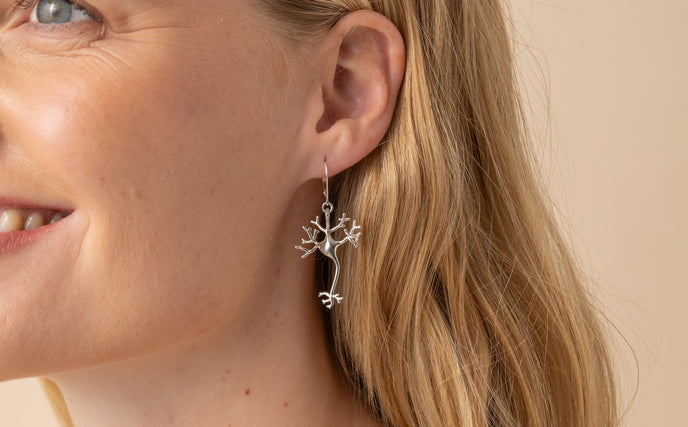
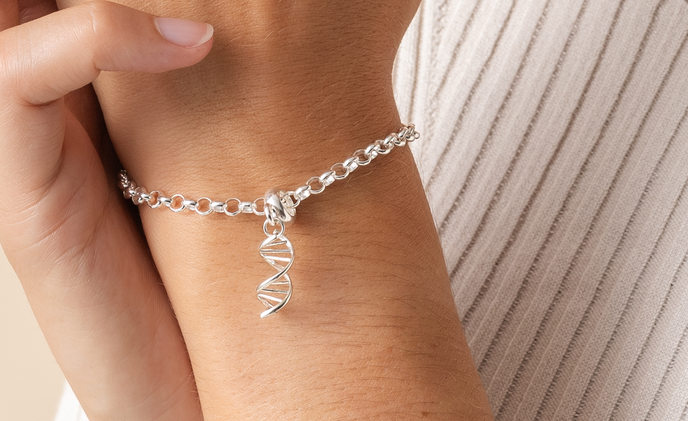
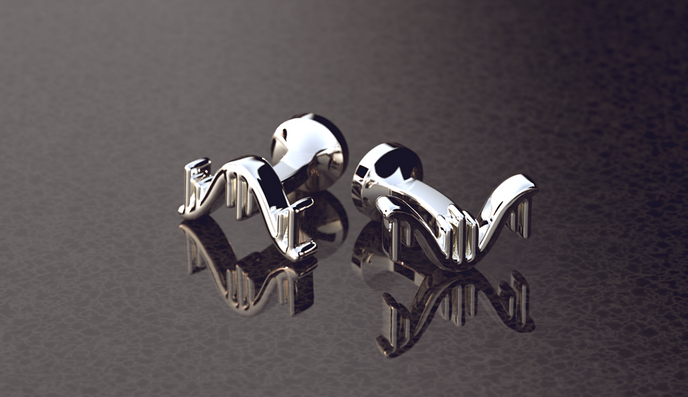
Anatomical wonders have never been so elegantly articulated. Our anatomical collection embodies the intricate and awe-inspiring structures that make us who we are. From DNA double helices to neuronal networks, our pieces don't merely imitate—they interpret. The collection serves as a tangible tribute to the hidden beauty within us all, elevating the realms of biology and medicine into wearable art. With exquisite attention to detail, each piece is a dialogue between form and function, revealing the enigmatic eloquence of the human body.
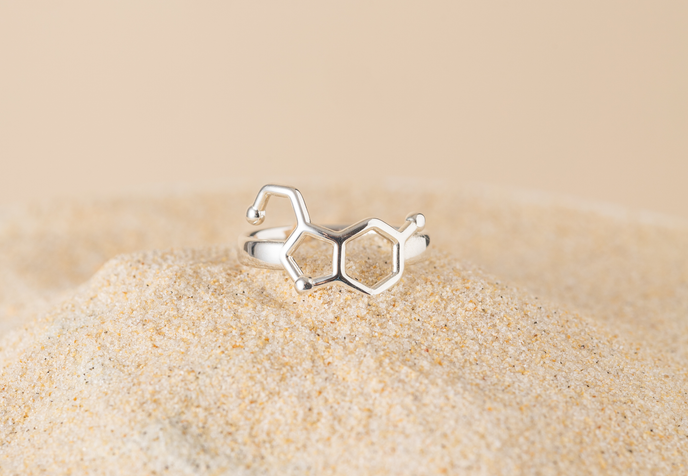
Find your perfect fit: measure an Existing Ring
Finding out your ring size at home is a simple process and can help you shop for jewelry online with confidence.
Necklace length guide