€ 235


Still questions? Contact us
Liver necklace | sterling silver
The liver runs the body's metabolic accounting. About 500 functions overlap in the same organ: protein synthesis, drug metabolism, bilirubin processing, glycogen storage, urea cycle, bile production, plasma volume regulation, immunological filtering of portal blood. It is the largest internal organ for a reason. Almost everything else depends on what it does.
The Anatomy of the Liver
The liver is divided into right and left lobes by the falciform ligament, and further into eight functionally independent Couinaud segments based on their portal vein, hepatic artery, and bile duct supply. The segmental anatomy is what makes hepatic surgery possible: a segment can be resected without compromising the rest of the organ because each one has its own inflow and outflow. The liver receives a dual blood supply: roughly 75% from the portal vein (nutrient-rich, oxygen-poor blood from the gut and spleen) and 25% from the hepatic artery (oxygen-rich blood from the systemic circulation). Drainage is through the hepatic veins into the inferior vena cava. The functional unit is the hepatic lobule: hepatocyte cords radiating from a central vein, with portal triads (portal vein branch, hepatic artery branch, bile duct) at the periphery. Blood flows from periphery to centre, bile flows in the opposite direction, and the metabolic gradient that results is what zonation in liver biology refers to.
Who Tends to Wear This
The audience clusters around hepatic medicine and adjacent fields:
- hepatologists and liver transplant surgeons
- gastroenterologists managing chronic liver disease, hepatitis, and cirrhosis
- clinical pharmacologists and toxicologists studying hepatic drug metabolism
- pathologists who read liver biopsies daily
- medical students through their first hepatology rotation
Explore Related Human Anatomy Jewelry
- Kidney necklace | silver
- Stomach necklace | silver
- Pancreas necklace | silver
- Gastro-intestinal tract necklace | silver
FAQ
What do you give a hepatologist who has spent a career on the liver?
The organ itself, named directly. Hepatology is one of the few subspecialties whose entire identity sits inside a single organ, and a piece that names the liver specifically rather than gesturing at gastroenterology in general reads as well-chosen. Often given by partners or department heads at fellowship completion or after a major case milestone.
Why does the liver have such an unusual blood supply?
Because it has two jobs at once. Most of the blood reaching the liver comes from the portal vein, carrying nutrients absorbed from the gut and processed-by-the-spleen blood that needs immunological filtering. That blood is oxygen-poor and metabolically loaded. The hepatic artery supplies the remaining 25% to keep hepatocytes oxygenated and the bile ducts alive (the bile ducts depend almost entirely on arterial supply, which is why hepatic artery thrombosis after liver transplantation causes biliary failure). Mixing the two streams in the sinusoids gives the liver direct access to gut-derived nutrients and toxins while staying metabolically active. No other organ has this dual-supply architecture, and it's what makes the liver simultaneously a metabolic processor, a detoxifier, and an immune organ.
What's the size, material, and chain?
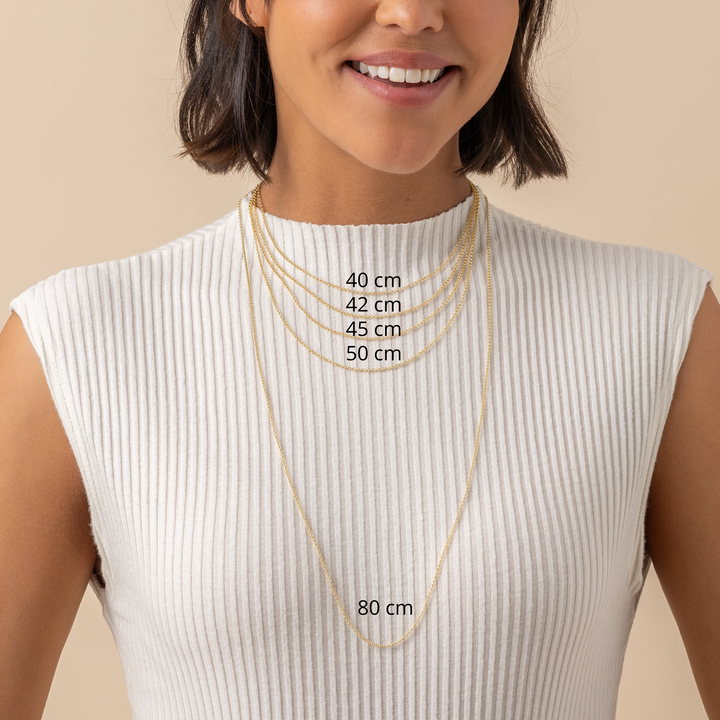
25 mm pendant in 925 sterling silver, nickel-free. 45 cm sterling silver chain with a 5 cm extender. Ships free worldwide via DHL Express in 1-5 business days, with all import duties prepaid. Comes in a ready-to-gift jewelry box with the 30-day “Love It or Return It” policy.
Is there a gold version?
Not currently. The liver is silver only. The catalog has gold versions of several other organs (kidney, heart, uterus) but the liver is single-material for now.
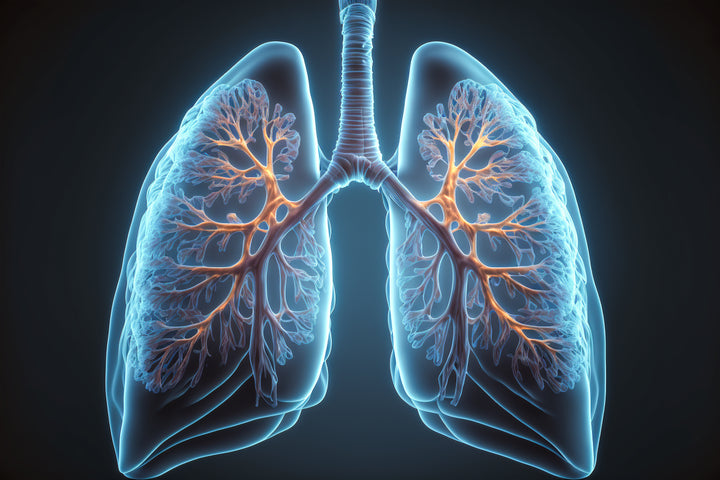
Human Anatomy
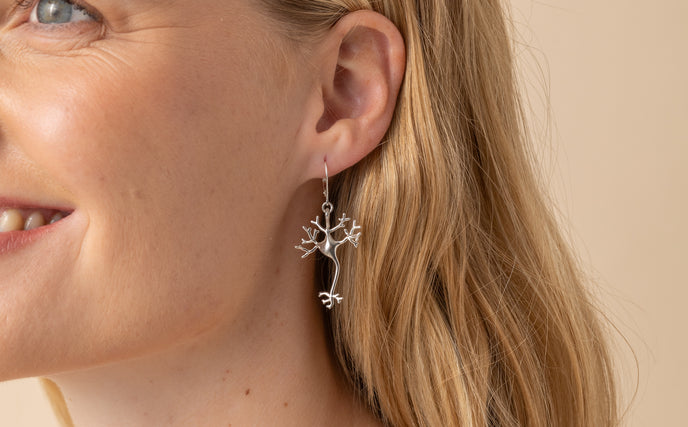
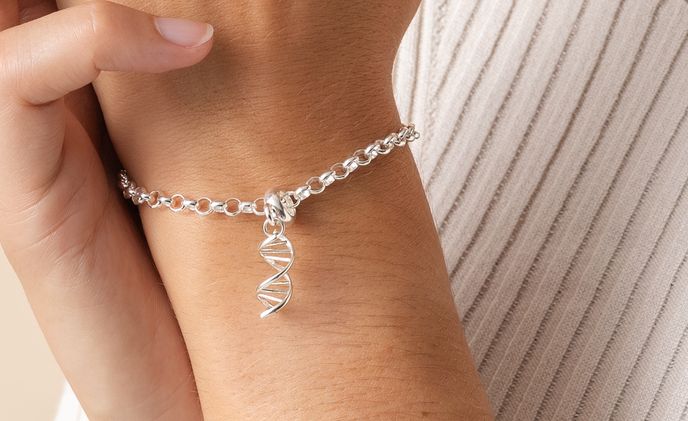
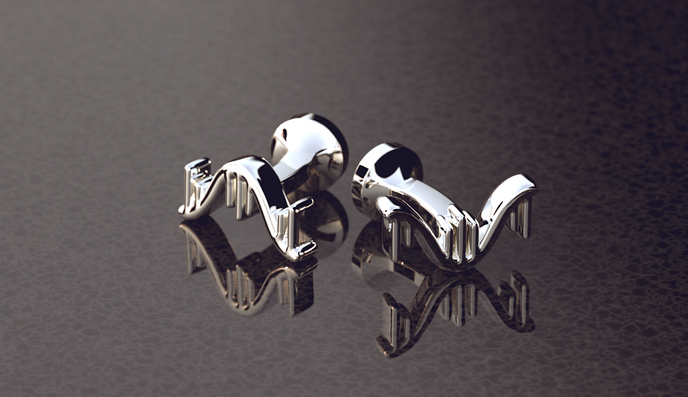
Anatomical wonders have never been so elegantly articulated. Our anatomical collection embodies the intricate and awe-inspiring structures that make us who we are. From DNA double helices to neuronal networks, our pieces don't merely imitate—they interpret. The collection serves as a tangible tribute to the hidden beauty within us all, elevating the realms of biology and medicine into wearable art. With exquisite attention to detail, each piece is a dialogue between form and function, revealing the enigmatic eloquence of the human body.
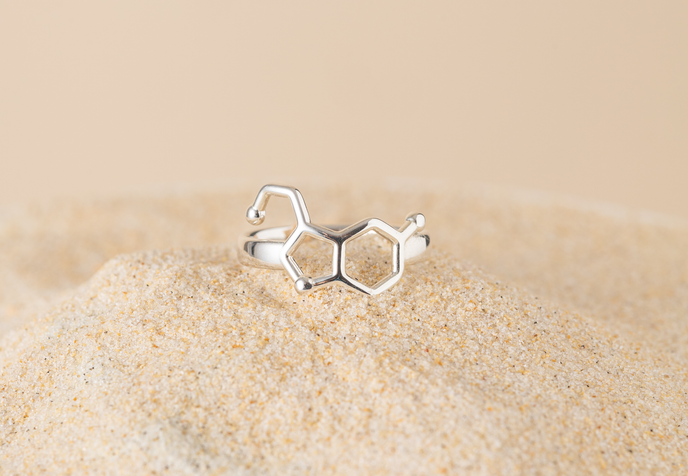
Find your perfect fit: measure an Existing Ring
Finding out your ring size at home is a simple process and can help you shop for jewelry online with confidence.
Necklace length guide