€ 160


Still questions? Contact us
Nephron necklace | sterling silver
The kidneys filter about 180 litres of blood plasma a day between them. The nephron is the unit that does it. Roughly a million per kidney, each one a small, recognisable piece of plumbing that decides what stays and what goes.
The Anatomy of the Nephron
A nephron starts at the glomerulus, where pressure pushes plasma across a filter into Bowman's capsule. From there it runs through the proximal convoluted tubule (which reclaims about two-thirds of the filtered sodium and almost all of the filtered glucose and amino acids), the loop of Henle (which builds the medullary concentration gradient), the distal convoluted tubule (which fine-tunes calcium, sodium, and potassium under hormonal control), and finally the collecting duct (where ADH decides how much water to keep). At the junction between distal tubule and afferent arteriole sits the juxtaglomerular apparatus, which senses tubular flow and releases renin to regulate systemic blood pressure.
Who Reaches For This
The audience for this one is narrow and specific:
- nephrologists and renal physiologists who work at this scale daily
- researchers studying tubular transport, drug nephrotoxicity, or renal pharmacology
- clinicians treating dialysis, transplant, or chronic kidney disease patients
- medical students who have just survived renal physiology and want to remember it
- physiologists who appreciate that the most complex organ functions reduce to molecular plumbing
Explore Related Human Anatomy Jewelry
FAQ
Will a nephrologist actually wear this?
Most do. The nephron is the unit nephrology is built around, and this is one of the few pieces of jewelry that names that unit specifically rather than the organ it sits inside. It tends to come up in conversation more than people expect.
Why does the kidney spill glucose in urine when blood sugar gets too high?
Because the proximal tubule's glucose transporters have a ceiling. The transport maximum (Tm) is reached at about 180 mg/dL of plasma glucose. Below that threshold the tubule reclaims essentially all filtered glucose. Above it, the surplus stays in the tubular fluid and ends up in urine. That's why glycosuria is one of the oldest signs of diabetes.
What's the size, material, and chain?
34 mm pendant in 925 sterling silver, nickel-free. 45 cm chain with a 5 cm extender. Ships free worldwide via DHL Express in 1-5 business days, with all import duties prepaid. Comes in a ready-to-gift jewelry box with the 30-day "Love It or Return It" policy.
Is there a gold version?
Yes. The nephron is also available in 18k gold vermeil at the same 34 mm size. Same design, warmer finish, formal-wear register.
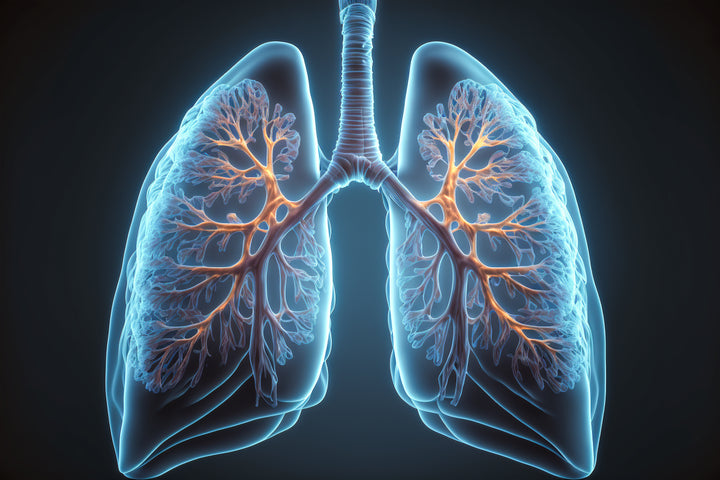
Human Anatomy
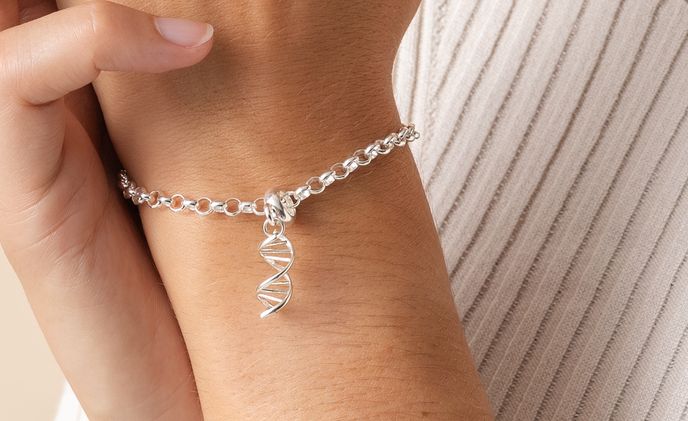
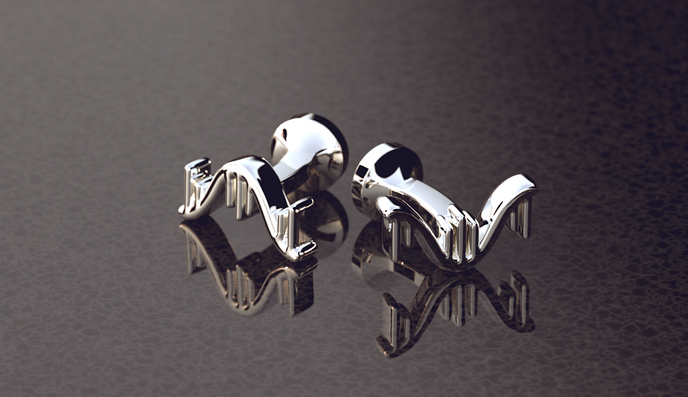
Anatomical wonders have never been so elegantly articulated. Our anatomical collection embodies the intricate and awe-inspiring structures that make us who we are. From DNA double helices to neuronal networks, our pieces don't merely imitate—they interpret. The collection serves as a tangible tribute to the hidden beauty within us all, elevating the realms of biology and medicine into wearable art. With exquisite attention to detail, each piece is a dialogue between form and function, revealing the enigmatic eloquence of the human body.
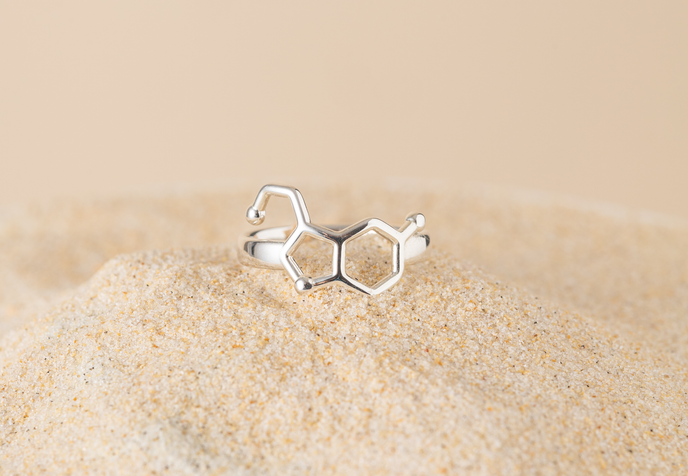

Find your perfect fit: measure an Existing Ring
Finding out your ring size at home is a simple process and can help you shop for jewelry online with confidence.
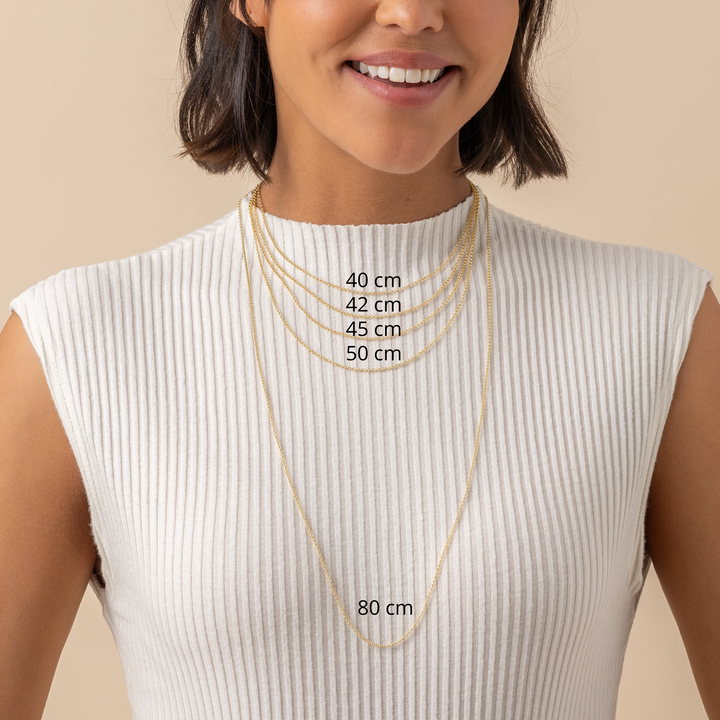
Necklace length guide