€ 200


Still questions? Contact us
Red blood cell earrings | sterling silver
If you work with blood you have thought about the biconcave disc. Its shape is the solution to a specific engineering constraint: how to pack oxygen carriers densely while staying flexible enough to squeeze through capillaries narrower than the cell itself.
The Science of the Red Blood Cell
Red blood cells are produced at a rate of two million per second in bone marrow, live for approximately 120 days, and carry oxygen through capillaries narrower than their own diameter. The biconcave disc is not decorative. It maximises surface area for oxygen binding, minimises diffusion distance to haemoglobin at the cell's core, and provides deformability. The cell is acellular once mature, with no nucleus, no mitochondria, no organelles that would compete for space or add weight. Each cell carries approximately 270 million haemoglobin molecules. Anaemia, sickle cell disease, thalassaemia, and polycythaemia are the major disorders affecting red blood cell production or function.
The Audience
- haematologists and blood biologists
- medical students who have studied red cell physiology
- transfusion specialists and emergency physicians
- anyone who finds cellular geometry elegant
Explore Related Cellular Biology Jewelry
- Red blood cells necklace L | silver
- Red blood cell studs | silver
- Hemoglobin necklace | silver
- Antibody earrings | silver
FAQ
Would someone in haematology appreciate these?
Yes. The red blood cell is their constant. It is simple, iconic, and profound. The biconcave shape is instantly recognisable to anyone who has looked at a blood smear. These earrings are precise enough to be meaningful to a specialist and beautiful enough to wear daily.
Why is the biconcave shape so important?
It increases surface area for oxygen binding, improves gas diffusion to the haemoglobin core, and allows the cell to squeeze through capillaries half its own diameter without damage. Engineering and biology together. The shape enables everything the cell must do.
What type and size of earrings are these?
16 mm drop earrings with sterling silver leverback hooks, nickel-free and hypoallergenic. High-polish finish. Ships free worldwide via DHL Express in 1-5 business days. Comes ready-to-gift with the 30-day “Love It or Return It” policy.
Are these available as studs instead of drop earrings?
Yes. Red blood cell studs are in the catalog for those who prefer a more compact style. Both versions have the same 16 mm biconcave geometry, and earring style is the only difference. Many lab colleagues order pairs in both formats.
Cellular Biology
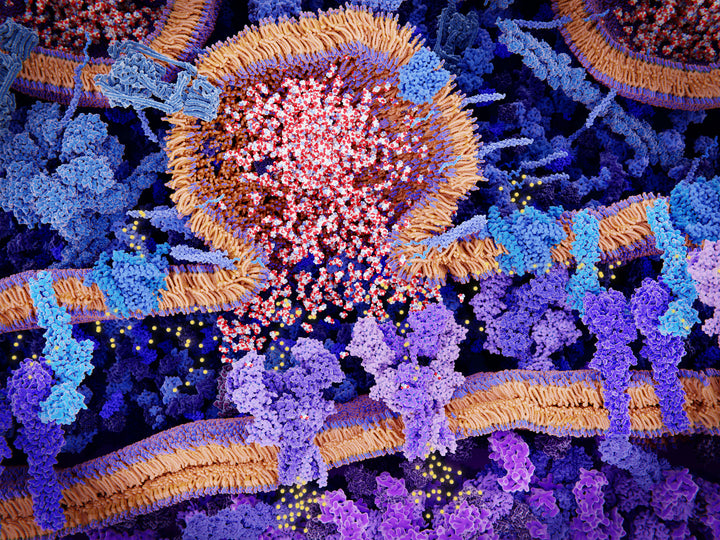
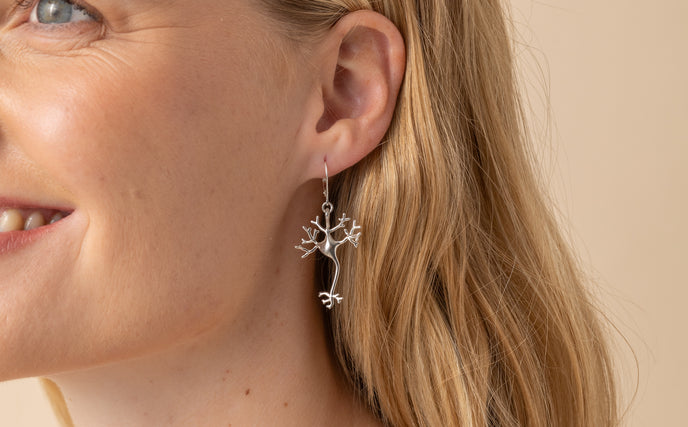
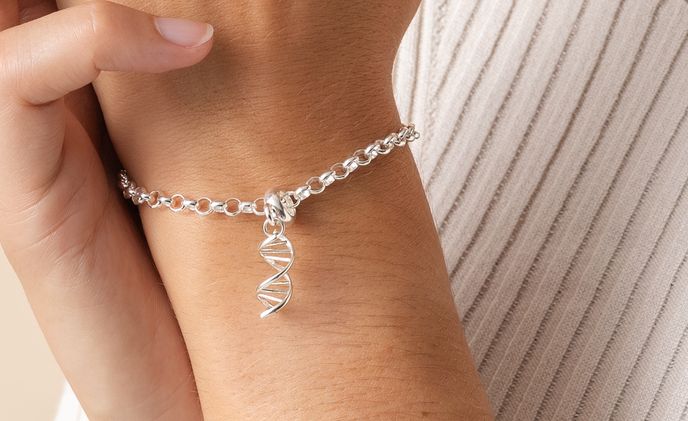
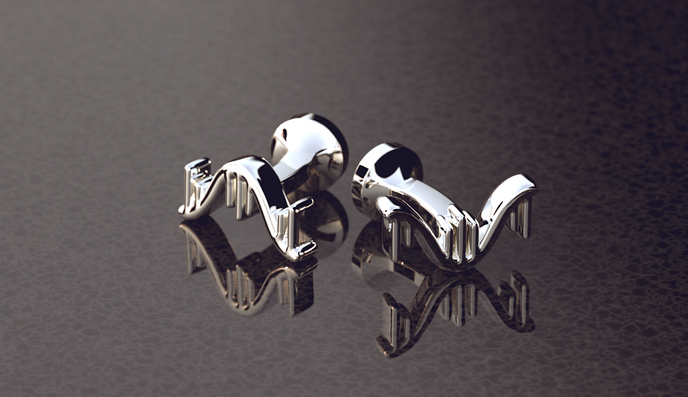
Step into the fascinating world of cellular biology through our unique jewelry designs. These pieces serve as wearable reflections of life's microscopic wonders, capturing the aesthetics of DNA strands, cellular formations, and more. Far from simple adornments, they spark dialogue and honor the captivating complexities found within biological research. Merging scientific accuracy with artistic flair, each creation offers a tactile experience that bridges the gap between scientific inquiry and aesthetic appreciation.
Find your perfect fit
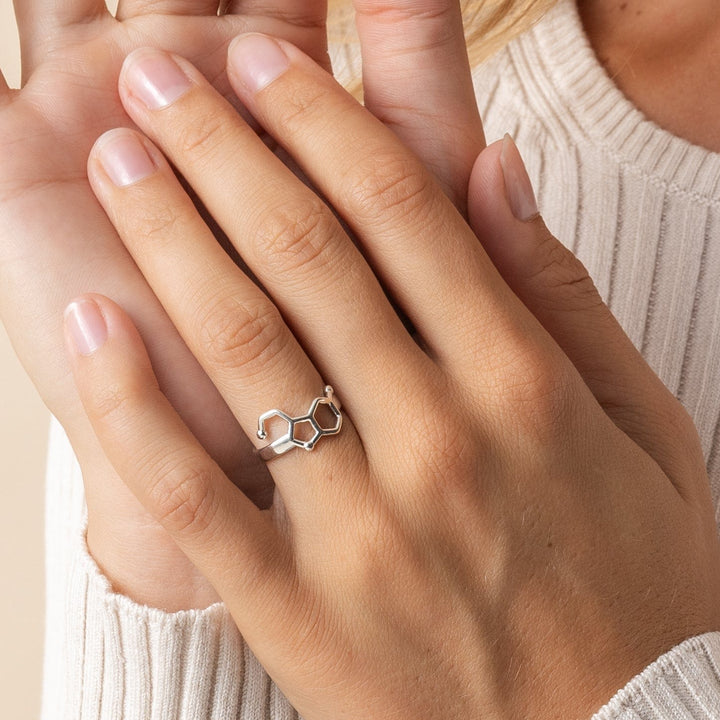
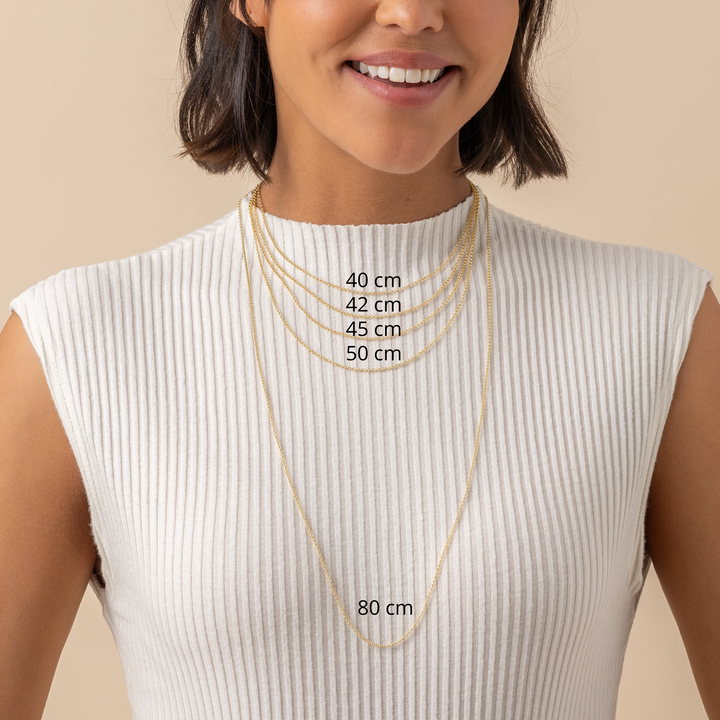
Necklace length guide