€ 235


Still questions? Contact us
Scalpel earrings | 18K gold vermeil
The scalpel is the instrument that makes the first cut. These scalpel earrings in 18K gold vermeil are for the surgeon, scrub nurse or surgical trainee who would gladly wear a piece of her work after the shift ends. Give them to her, or keep the pair for yourself if gold is what you wear.
Who It's For
- a daughter or niece finishing surgical training
- a scrub nurse or theatre nurse, for her birthday or Christmas
- a surgeon friend or colleague, as a thank-you
- someone who already wears the scalpel necklace, to make a set
- yourself, if gold is what you wear every day
From a review of the silver version. Demaris M.: “These scalpel earrings are amazing! I love the size and weight of them.”
Why Surgeons Scrub
Clean-looking hands still carry bacteria. Some sit on the surface and wash off easily. Others, called resident flora, live deeper in the skin, and no scrub removes them all. So a surgical scrub aims to cut their numbers sharply, not to make the hands sterile, and surgeons put sterile gloves on over scrubbed hands. Many theatres now use an alcohol-based hand rub instead of a brush and soap, rubbed in for a set time before gown and gloves. The idea goes back to 1847, when Ignaz Semmelweis had doctors and medical students in a Vienna maternity clinic wash their hands in chlorinated lime solution, and deaths from childbed fever fell sharply.
Explore Related Medical Jewelry
- scalpel earrings | silver
- scalpel necklace | gold vermeil
- femur earrings | gold vermeil
- stethoscope studs | silver
FAQ
How long are they, and how do they fasten?
Each scalpel measures 36 mm (about 1.4 inches), not counting the hook. That is about one and a half times the width of a US quarter. They hang from gold vermeil leverback hooks, which close at the back so the earring stays in place. 18K gold vermeil means 2.5 microns of 18K gold over solid sterling silver, nickel-free and hypoallergenic. To keep the gold bright, wipe them with a soft cloth and store them dry in their box.
Is there a silver pair, or a matching necklace?
Yes. Scalpel earrings also come in sterling silver, at the same 36 mm. Choose the finish she already wears: the design is the same in both. For a set, the scalpel necklace comes in sterling silver and in gold vermeil, with a 42 mm pendant.
Is delivery free, and what if they aren't right?
Yes. DHL Express delivers free in 1-5 business days worldwide, and we pay the import duties and taxes, so nothing is due at the door. They arrive in a ready-to-gift jewelry box and festive envelope. If they aren't right, our 30-day “Love It or Return It” policy applies to unworn earrings.
Why did surgeons start wearing rubber gloves?
Because of a nurse's hands. In 1889 Caroline Hampton, the operating-room nurse at Johns Hopkins Hospital in Baltimore, developed dermatitis from the mercuric chloride solution used to disinfect hands. That winter, the surgeon William Halsted asked the Goodyear Rubber Company to make two pairs of thin rubber gloves for her. Nurses and assistants wore them first. Surgeons took longer. Halsted's colleague Joseph Bloodgood operated in gloves, and his 1899 report on hernia operations, with far fewer infections, helped make them standard. Halsted and Hampton married in June 1890.

Medical & Lab tools
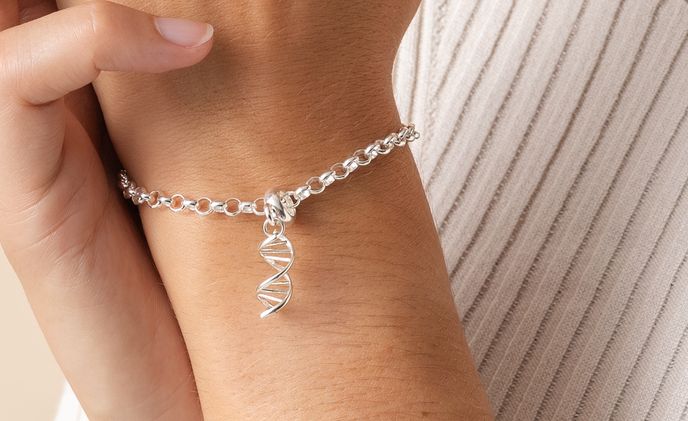
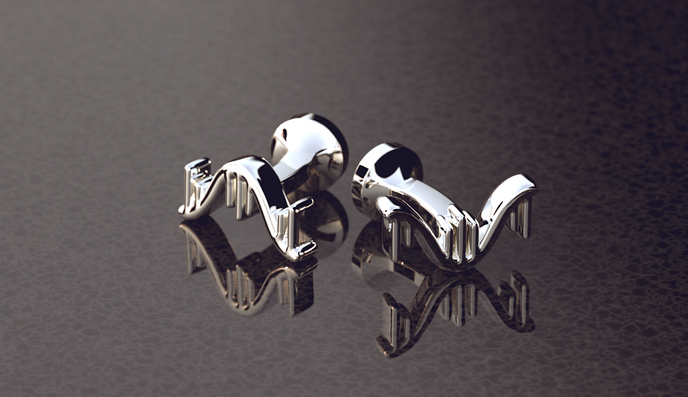
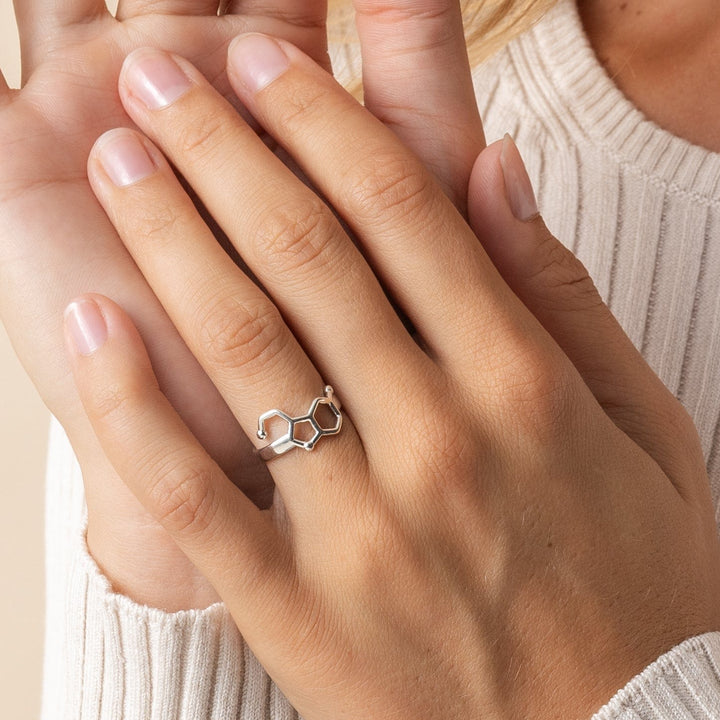
Dive into the captivating world of science-inspired jewelry, where intricate designs meet the essence of medical and laboratory tools. These masterfully crafted pieces act as subtle yet striking tributes to the instruments that have paved the way for scientific discovery. From DNA helices to microscope charms, each piece serves as a conversation starter, a talisman, and a small monument to human ingenuity. They're not just accessories; they're wearable artifacts that tell a story of scientific exploration and advancement.
Find your perfect fit
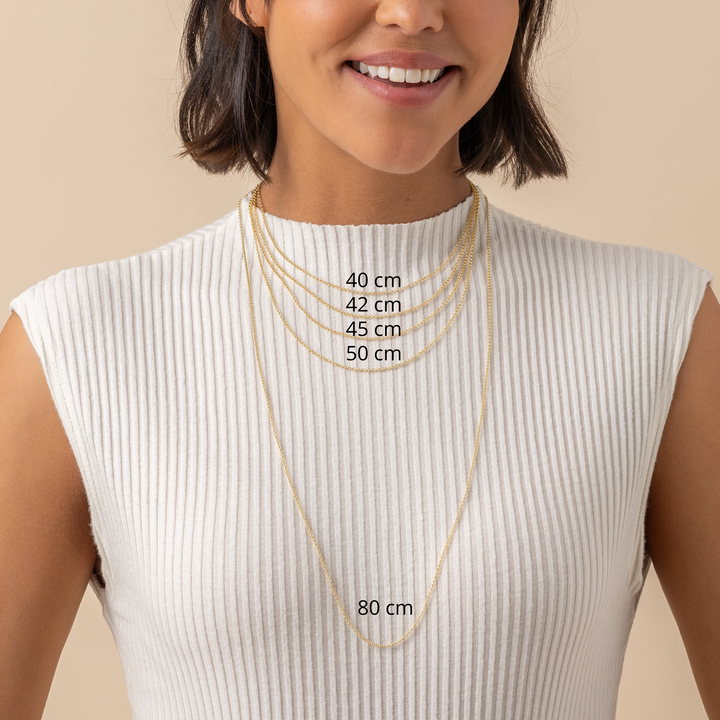
Necklace length guide