€ 205


Still questions? Contact us
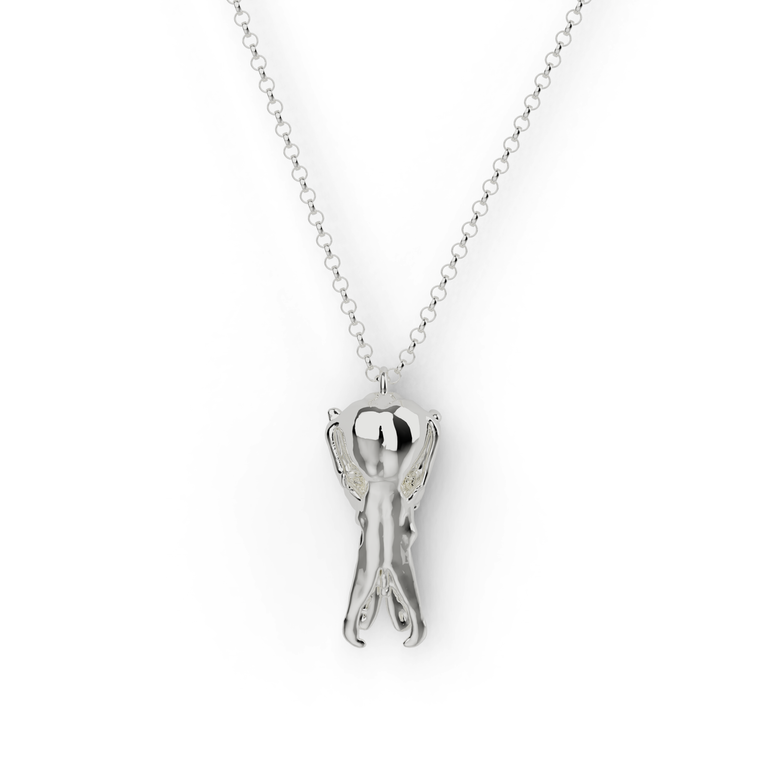
platypus skull necklace | sterling silver
The platypus is the world's oldest secret. A mammal that lays eggs. A predator with a duck's bill and venomous spurs. A body containing the genetic code of reptiles, birds, and mammals all woven into one living fossil that has remained almost unchanged for a hundred million years. A 30 mm sterling silver pendant shaped like the skull of one of Earth's strangest survivors.
The Science Behind the Platypus Skull
Ornithorhynchus anatinus is a monotreme mammal found only in eastern Australia. It is one of only five egg-laying mammals in the world, along with four echidna species. The platypus combines traits so unusual that European naturalists who first encountered preserved specimens thought them to be elaborate hoaxes. The leathery bill is not a beak but a electroreceptor and mechanoreceptor organ, covered in sensitive pits that detect electrical fields and prey movement underwater. The platypus dives with its eyes closed, navigating by bill sensation alone. Males carry venomous spurs on the hind legs, a rare trait among living mammals. The genome is a chimera of reptilian, avian, and mammalian genes. The monotremes are considered the most basal living mammals, having split from the therian (placental and marsupial) lineage roughly 166 million years ago. The platypus has remained largely unchanged since the Miocene.
A Quiet Symbol For
- evolutionary biologists and developmental geneticists studying monotreme evolution and the earliest mammalian lineages
- behavioral ecologists interested in the sensory world of aquatic foragers and electroreception
- conservation biologists working on Australian endemic species and freshwater ecosystem health
- people who love the strange grace of animals that exist outside the familiar categories
For someone who has always believed that the platypus is the most honest animal on Earth.
Explore Related Animal Skull Jewelry
- Seahorse skeleton necklace | silver
- Seahorse skeleton necklace | gold vermeil
- Lizard skeleton earrings | silver
- Raven skull necklace | silver
- Macaque skull necklace | silver
FAQ
How is the platypus considered a mammal if it lays eggs?
Mammals are defined by several traits including hair, milk production, and a specialized brain region (the neocortex). The platypus has all of these. It produces milk to feed its young, though it lacks nipples and instead secretes milk through pores in the skin for babies to lap up. Egg-laying is ancestral. The very earliest mammals 200 million years ago laid eggs. Most lineages evolved live birth, but monotremes retained the ancestral strategy. Classification is based on the entire evolutionary package, not one trait.
Why does the male platypus have venomous spurs?
Venom in platypus males is used during breeding season when males compete for females. The venom is delivered by spurs on the hind legs and causes severe pain in rivals. The venom is seasonal and is produced only during the mating months. This is thought to be a weapon for male-male competition, not predation. Monotreme venom is an ancient trait, inherited from a reptilian ancestor and retained when other mammals lost it.
What size is the pendant and what chain comes with it?
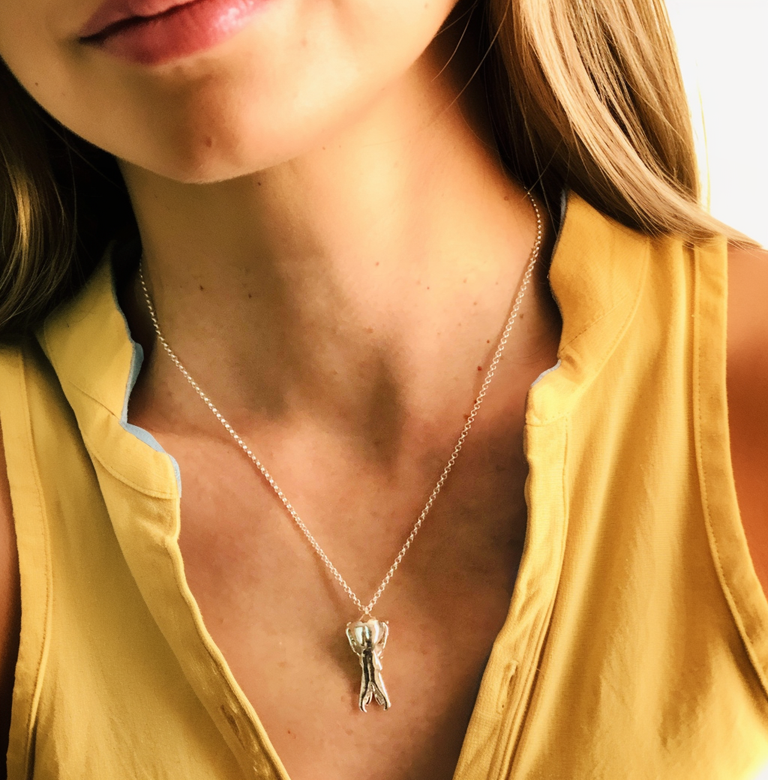
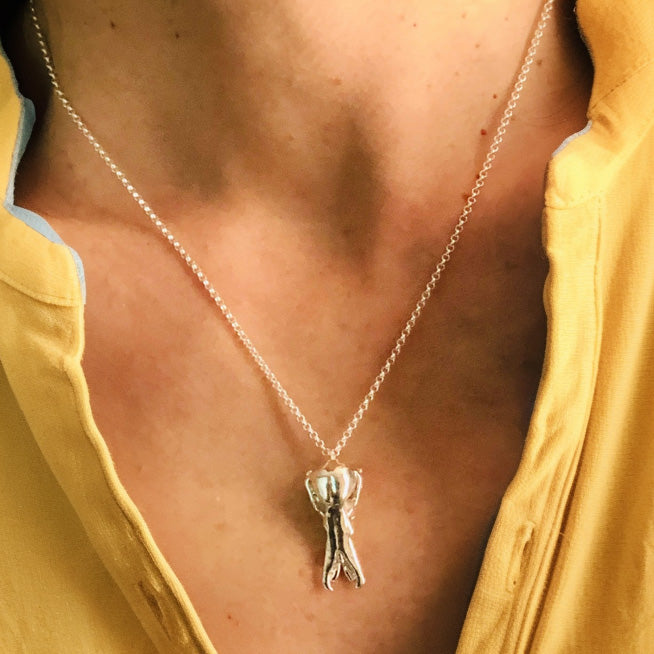
925 sterling silver, 30 mm pendant on a 45 cm sterling silver chain (ø 1.8 mm) with lobster clasp and 5 cm extender. Nickel-free and hypoallergenic. Free worldwide DHL Express in 1-5 business days, with all import duties and taxes covered. 30-day “Love It or Return It” returns.
Is there a gold version?
This pendant is currently available in silver only. No gold version exists at this time.
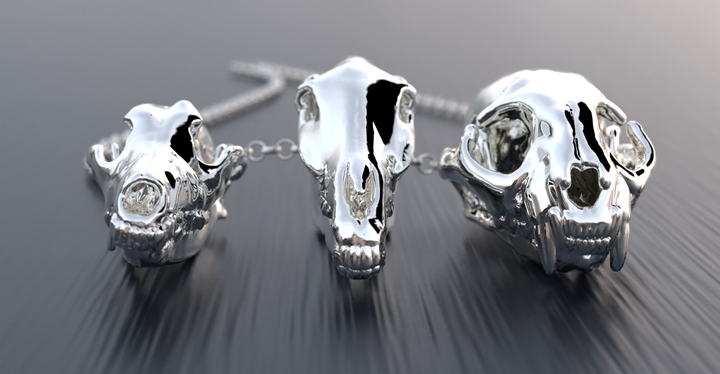
Animal skulls & bones
Drawing upon the intricate architecture of animal anatomy, our collection captures the haunting beauty of skulls and bones. Each piece serves as a tactile memento mori, reminding us of the delicate balance between life and death. Crafted with scientific accuracy, these masterpieces evoke a sense of awe and curiosity, offering a tribute to the intricacies of the natural world. Far more than mere adornments, they are conversation-starters that provoke intellectual dialogue.
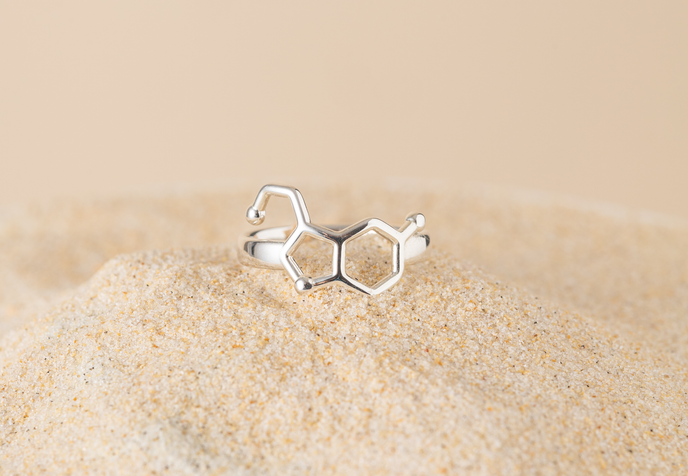
Find your perfect fit: measure an Existing Ring
Finding out your ring size at home is a simple process and can help you shop for jewelry online with confidence.
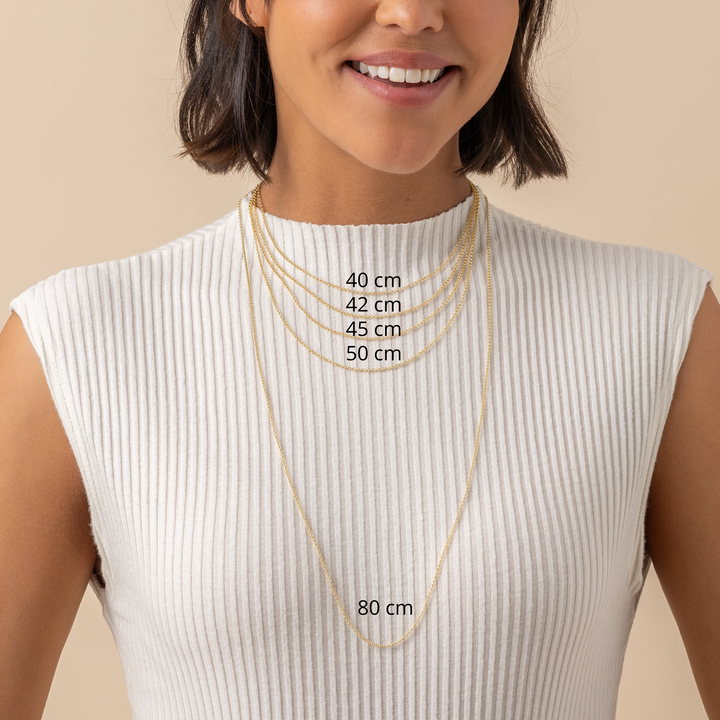
Necklace length guide