€ 255


Still questions? Contact us
Brain necklace | 18k gold vermeil
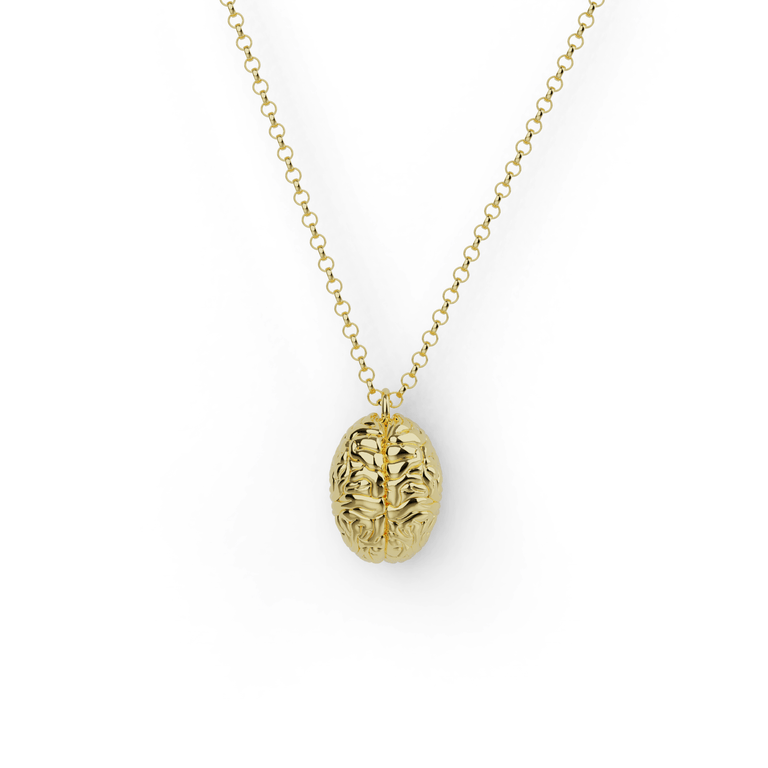
The human brain has 86 billion neurons and a folded surface that's still recognisable as the most metabolically expensive organ you own. The pendant is the dorsal view of the cerebral cortex, with the major sulci and gyri intact, in 18k gold vermeil.
The Anatomy of the Brain
Gyrification, the folding of the cortex, is driven by mechanical forces during development: the cortex grows faster than the underlying white matter and buckles into folds. The degree of gyrification scales with brain size and correlates with cognitive complexity across species. The pattern of major sulci (central sulcus, lateral fissure, calcarine fissure) is consistent enough across individuals to serve as anatomical landmarks in MRI. Cortical thickness is a sensitive marker of neurodegeneration. Thinning of specific regions precedes clinical symptoms in Alzheimer's disease and other dementias by years, which is why structural MRI has become a standard part of dementia workup.
Who Will Recognise It
- neuroscientists, neurologists, and neurosurgeons
- cognitive scientists, psychologists, and psychiatrists
- neuroimaging researchers and brain-mapping specialists
- medical students through their first neuroanatomy rotation
- people who already own the silver brain and want a gold one
Explore Related Neuroscience Jewelry
- Brain necklace | silver
- Brain studs | silver
- Limbic system necklace | silver
- Circle of Willis necklace | gold vermeil
FAQ
Will a working neurologist actually wear this?
Many do. Better suited to conferences, talks, or hospital functions than to a routine clinic day. Most neurologists who buy this version already own the silver and want something with more weight for visible occasions.
Why does the brain look like that?
The cortex grows faster than the skull around it, so it has to fold to fit. The folds (gyri) and the grooves between them (sulci) increase the surface area roughly threefold compared to a smooth brain of the same volume. The major folds are highly conserved between people, which is why neuroanatomists can name landmarks like the central sulcus or the calcarine fissure on any normal brain. The gyri and sulci of the human cortex map directly to functional regions: motor cortex along the central sulcus, primary visual cortex around the calcarine fissure, language areas in the left perisylvian region.
What size is the pendant and what does it ship with?
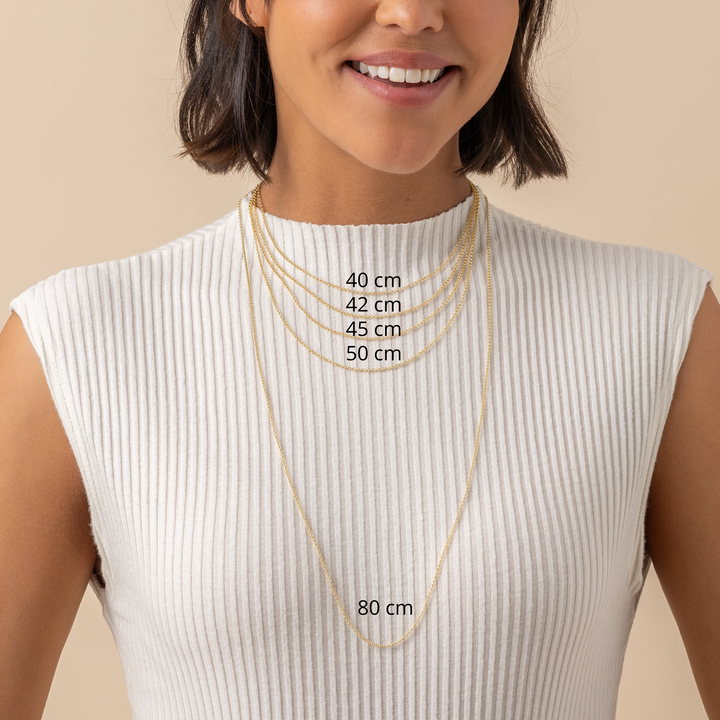
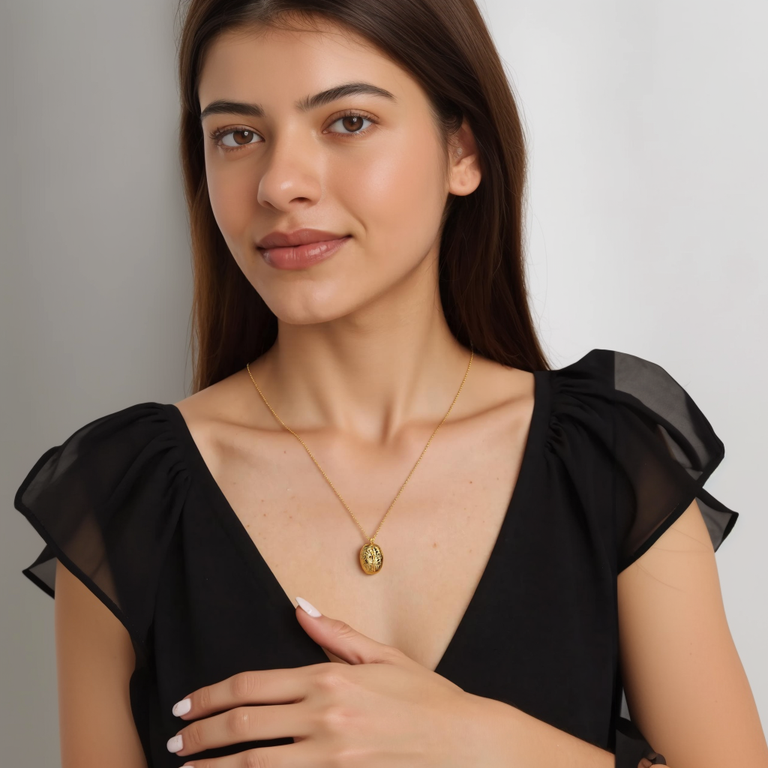
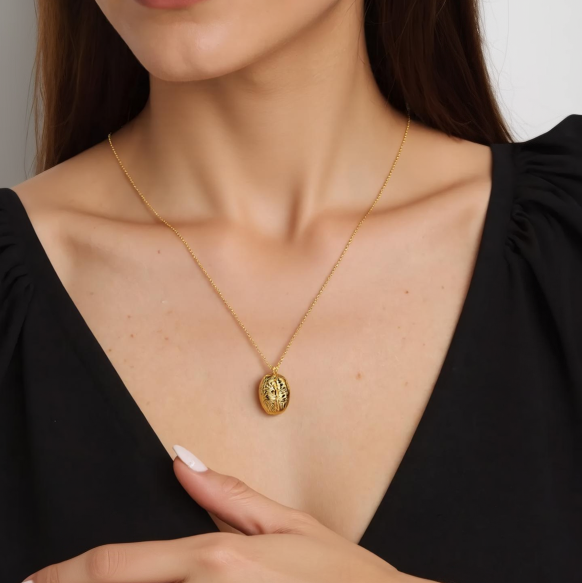
The pendant is 18 mm in 18k gold vermeil, a 2.5 micron gold layer over a sterling silver core, nickel-free and hypoallergenic, on a 45 cm gold vermeil chain with a 5 cm extender and lobster clasp. Free worldwide DHL Express shipping in 1-5 business days, all import duties covered, in a ready-to-gift jewelry box.
What's the difference between the gold and silver brain necklaces?
Same anatomy, same dorsal view of the cerebral cortex, same 18 mm size. Material is the only difference. The brain studs are a different format, smaller, and work as a paired alternative for someone who prefers earrings to a pendant. The gold version is also a popular pairing with the gold Circle of Willis for a small neuroscience set. Choose the finish the recipient already wears. Both versions carry the same design and the same meaning.
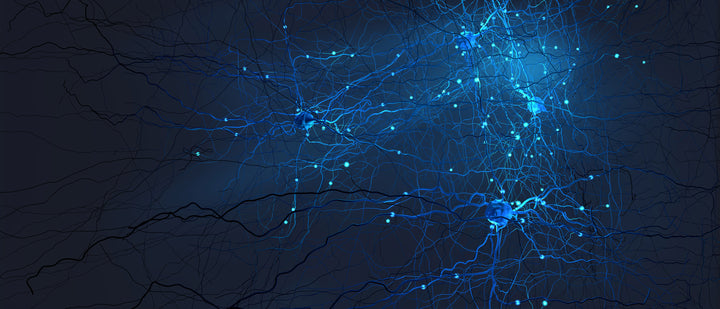
Neuroscience
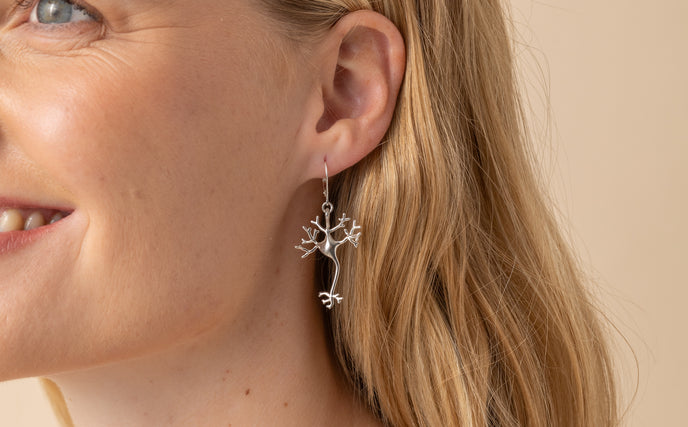
Dive into the intricacies of the human mind with our neuroscience-inspired jewelry collection. Each piece is a tactile ode to the neural networks that shape our thoughts, memories, and consciousness. Crafted with meticulous attention to detail, our designs mirror the dendritic branches and synaptic connections that form the basis of mental activity. With these elegant pieces, wear the enigma of cognition close to your skin, offering a subtle yet profound exploration of what it means to be sentient.
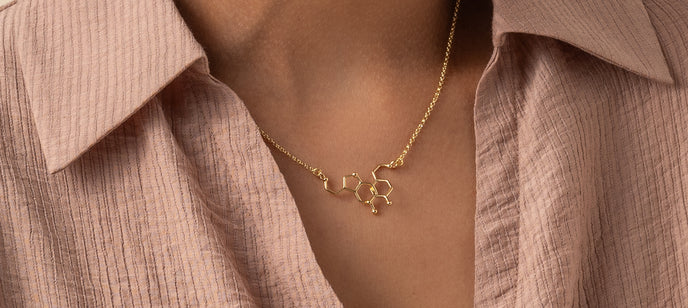
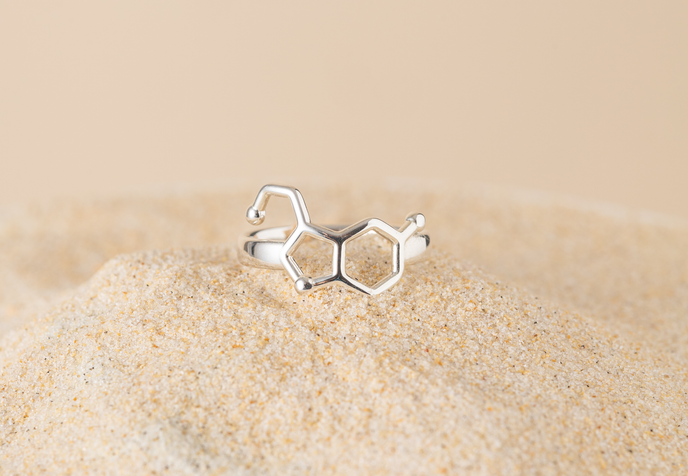
Find your perfect fit: measure an Existing Ring
Finding out your ring size at home is a simple process and can help you shop for jewelry online with confidence.
Necklace length guide