€ 200


Still questions? Contact us
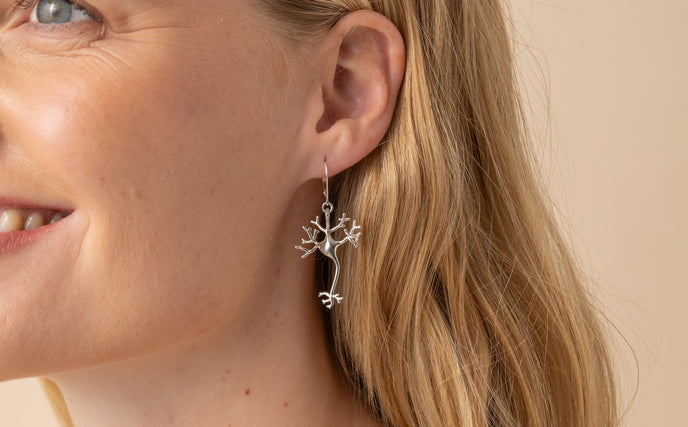
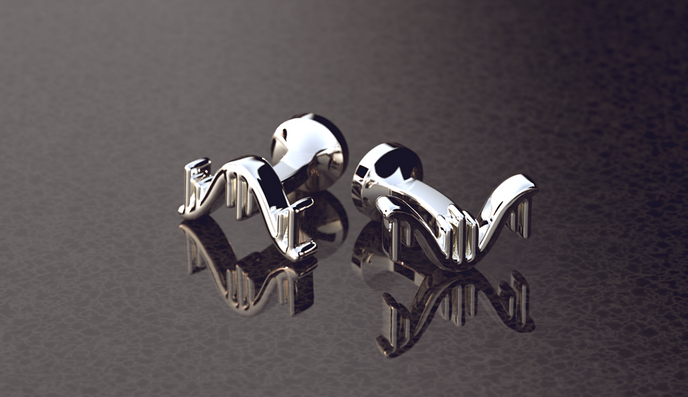
Eppendorf earrings | sterling silver
These Eppendorf earrings are for the woman who opens and snaps shut these little tubes all day, at the bench or over a rack of samples. Give them to a daughter who has made the lab her second home, or keep them for yourself, a small piece of the lab to wear after you leave it.
Who It's For
- a sister or a friend starting her PhD in molecular biology
- a daughter who teaches biology, to wear in front of her students
- a lab partner leaving for a new job
- someone who already has the Eppendorf necklace, to make a set
- yourself, if these tubes pass through your hands every day
Lene J., who bought a pair to keep: “Very nice and Quick delivery!”
What Happens in a Spin
The 1.5 mL microcentrifuge tube is built to be spun. A benchtop microcentrifuge such as Eppendorf's Centrifuge 5424 turns at up to 15,000 rpm (revolutions per minute), which presses on the contents of each tube with up to about 21,000 times the force of gravity. Particles such as cells, or DNA that has been precipitated out of solution, are driven outwards and collect as a small pellet near the narrow tip. The liquid above can then be pipetted off, and the pellet taken on to the next step of the experiment.
Explore Related Lab Jewelry
- eppendorf necklace | silver
- eppendorf necklace | gold vermeil
- petri dish earrings | silver
- microscope necklace | silver
FAQ
How big are they, and how do they fasten?
Each earring measures 24 mm (about 0.9 inch), not counting the hook, close to the width of a US quarter (24.26 mm) and a little less than a 2-euro coin (25.75 mm). They hang from sterling silver leverback hooks, which clip closed behind the earlobe. Our sterling silver is 925, nickel-free and hypoallergenic, with a high-polish finish. If the silver darkens over time, a soft polishing cloth brings it back.
Is there a matching necklace, or a gold pair?
The earrings come in sterling silver only. For a set in the same metal, the Eppendorf necklace comes in sterling silver, with a 31 mm pendant on a 45 cm chain and 5 cm extender. The same necklace is also made in 18K gold vermeil, for someone who already wears gold.
Will they arrive in time, and what if they aren't right?
They ship free worldwide with DHL Express and arrive in 1-5 business days. We pay the import duties and taxes, so there is nothing to pay on delivery. They come in a ready-to-gift jewelry box and festive envelope. If they aren't right, our 30-day “Love It or Return It” policy applies to unworn earrings.
Why is the tube called an Eppendorf?
After the company that brought the first ones to market, named after a district of Hamburg. In 1945 Heinrich Netheler and Hans Hinz began repairing medical equipment in a barrack on the grounds of the University Hospital Eppendorf there. In 1961 it launched a piston-stroke pipette for tiny volumes, and in 1963 the first Eppendorf Tubes went on sale. The name stuck, and scientists now call almost any 1.5 mL microcentrifuge tube an Eppendorf, or an Eppi.

Medical & Lab tools
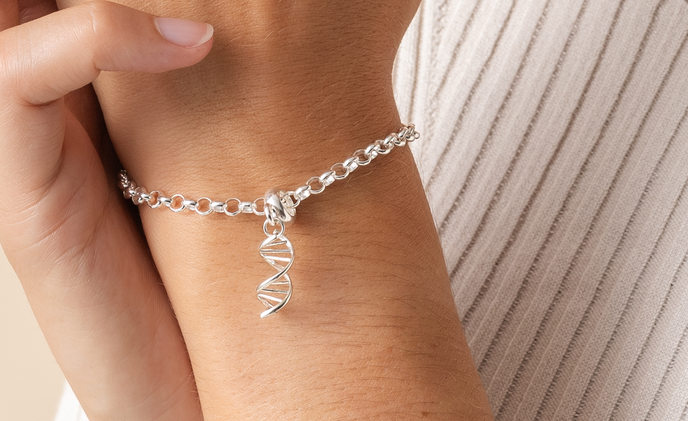
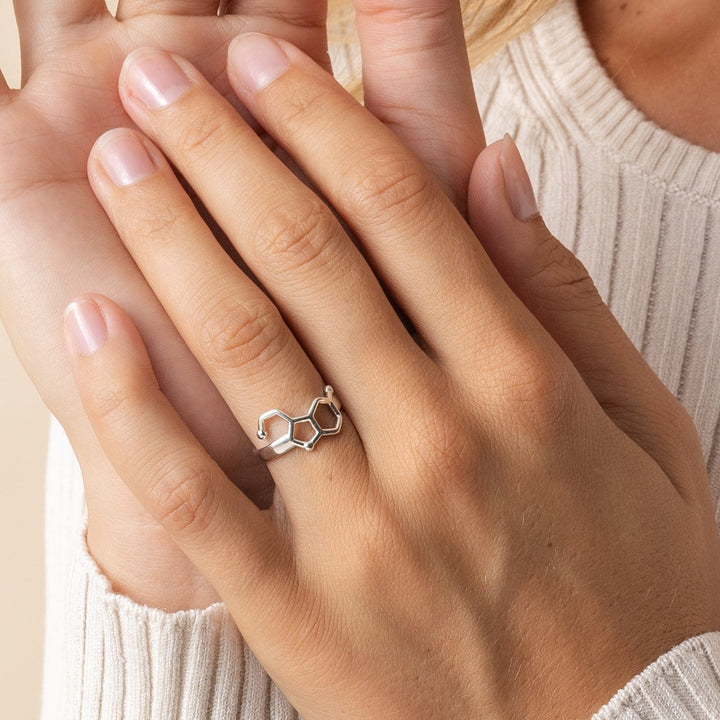
Dive into the captivating world of science-inspired jewelry, where intricate designs meet the essence of medical and laboratory tools. These masterfully crafted pieces act as subtle yet striking tributes to the instruments that have paved the way for scientific discovery. From DNA helices to microscope charms, each piece serves as a conversation starter, a talisman, and a small monument to human ingenuity. They're not just accessories; they're wearable artifacts that tell a story of scientific exploration and advancement.
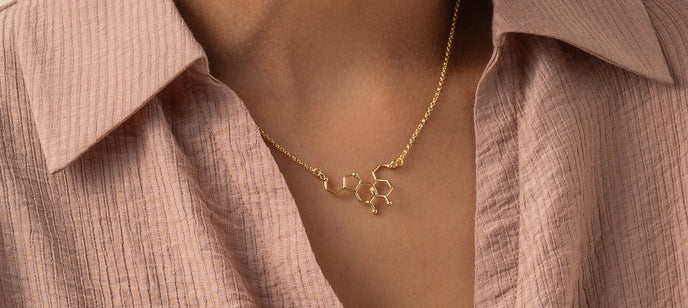
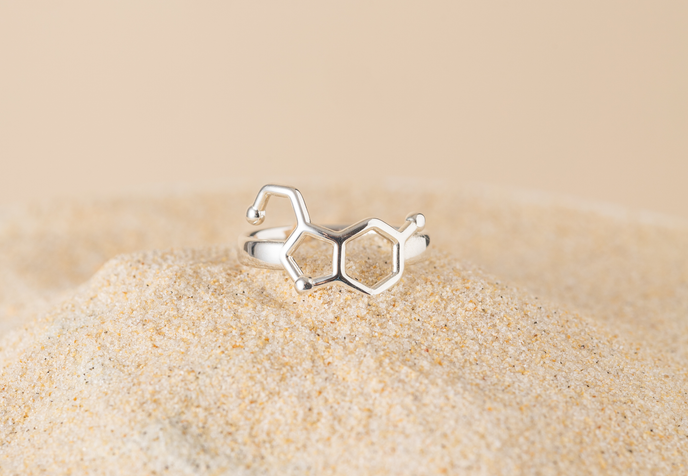
Find your perfect fit
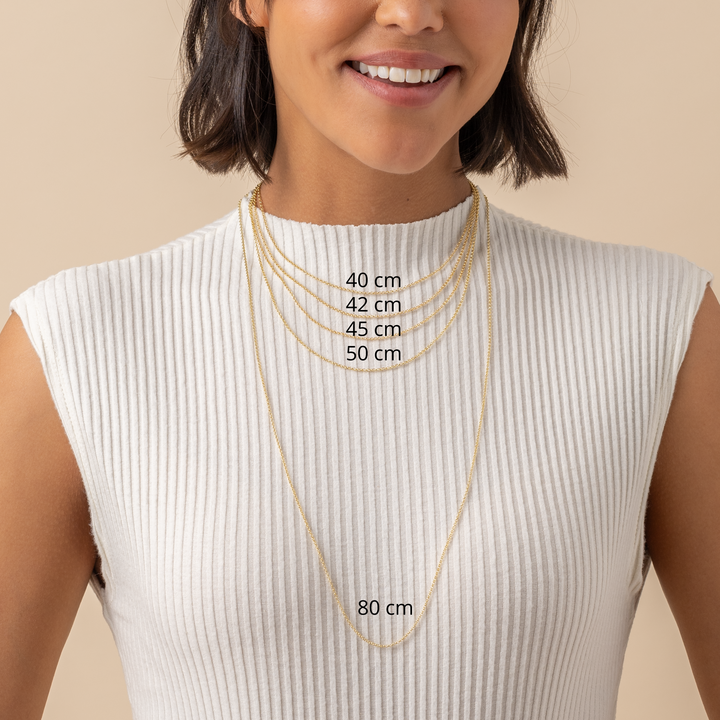
Necklace length guide