

€ 190


Still questions? Contact us
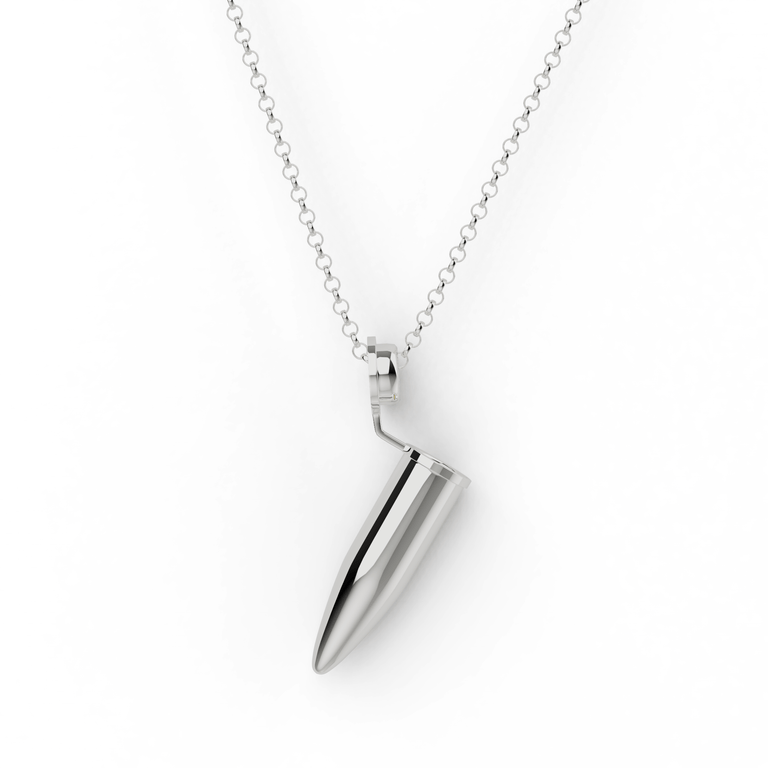
Eppendorf necklace | sterling silver
An Eppendorf necklace turns an ordinary thing from the molecular biology bench into something to wear: the small plastic tube that samples, enzymes and DNA pass through every day. Give it to the lab partner who has shared years of bench work with you, or wear it as a nod to your own years at the bench.
Who It's For
- a daughter who works in a lab, for her birthday
- a sister in molecular biology, as a present
- a girlfriend in research, to wear among her lab mates
- someone who already has the Eppendorf earrings, to make a set
- yourself, if these tubes pass through your hands every day
Natalie B., who bought one to keep: “I use these tubes every day, so when I saw this, I was really excited.” Belinda P., buying for a daughter: “Just what my daughter was after.”
The Science of Working in Microlitres
A microlitre is a thousandth of a millilitre: a cube of liquid one millimetre on each side. Much of molecular biology works at that scale. A routine PCR reaction, the method that copies a stretch of DNA millions of times, is often set up in 50 microlitres, and the mix for a whole run is pipetted together in a 1.5 mL tube. At volumes this small, a trace of an earlier sample or a stray enzyme can change a result. That is one reason the tube is used once and thrown away, and why some are certified free of the enzymes that break down DNA and RNA.
Explore Related Lab Jewelry
- eppendorf necklace | gold vermeil
- eppendorf earrings | silver
- pipette necklace | silver
- petri dish necklace | silver
FAQ
How big is the pendant, and how does it sit?
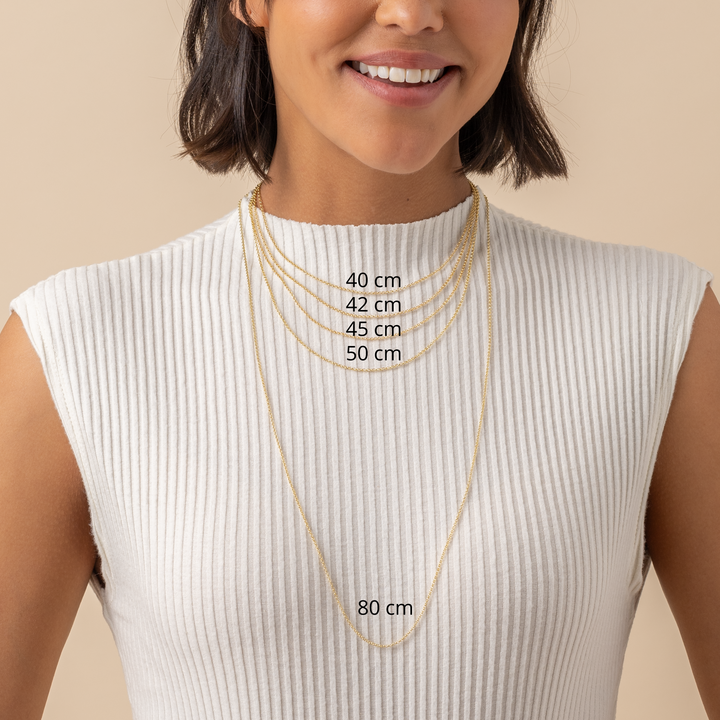
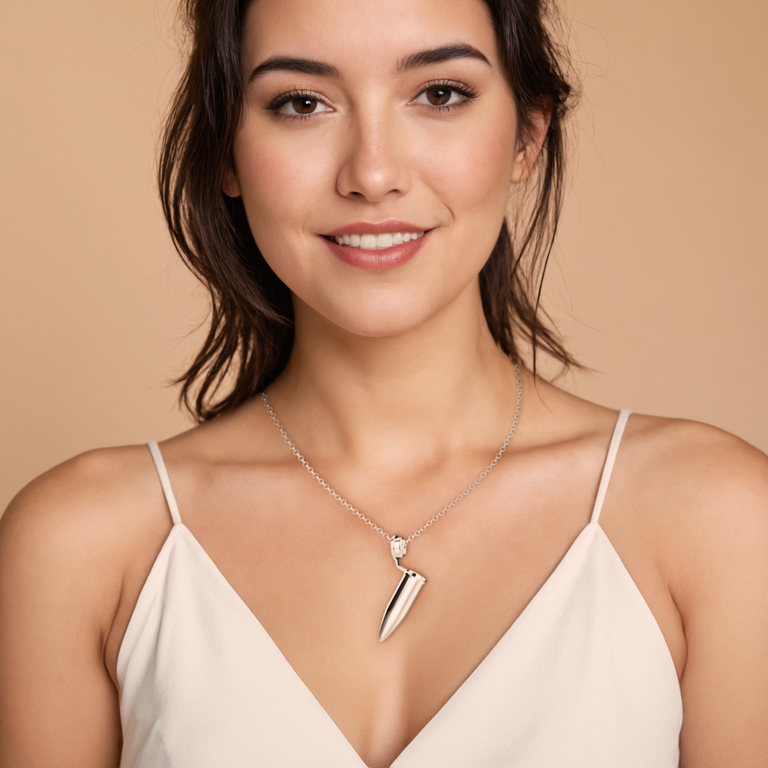
The pendant measures 31 mm (about 1.2 inches), about 5 mm more than the width of a 2-euro coin (25.75 mm). It hangs upright and sits just below the collarbone on a 45 cm (17.7 inch) sterling silver chain with a lobster clasp and a 5 cm (2 inch) extender. Extra chains of 40, 42, 45 or 50 cm with extender, or 80 cm, are sold on this page. It is 925 sterling silver with a high-polish finish, nickel-free and hypoallergenic.
Is there a gold version, or matching earrings?
Yes. The same 31 mm Eppendorf necklace comes in 18K gold vermeil. Choose the finish she already wears. The design is the same in both. The Eppendorf earrings, 24 mm on leverback hooks, come in sterling silver only, so for a matching set in one metal, pair them with this silver necklace.
Will it arrive in time, and what if it isn't right?
It ships free worldwide with DHL Express and arrives in 1-5 business days. We pay the import duties and taxes, so there is nothing to pay on delivery. It comes in a ready-to-gift jewelry box and festive envelope. If it isn't right, our 30-day “Love It or Return It” policy applies.
Who invented the pipette that led to the tube?
Heinrich Schnitger, a young researcher at the University of Marburg's Institute of Physiological Chemistry. Small volumes were then drawn up in thin glass pipettes, often by mouth. In the spring of 1957, with the institute's workshop, he built a piston pipette that could dispense small amounts quickly and precisely by hand. Eppendorf in Hamburg took an exclusive licence, added interchangeable plastic tips and brought it to market. Labs then needed a vessel to mix, store and spin such small samples, and a tube for them soon followed.

Medical & Lab tools
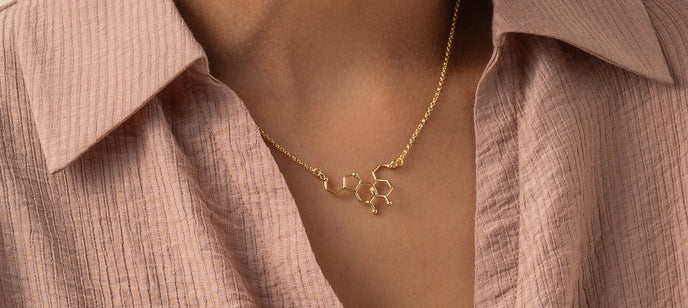
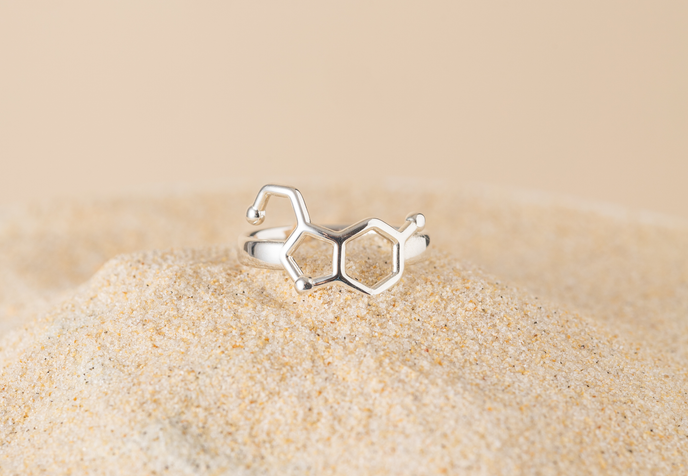
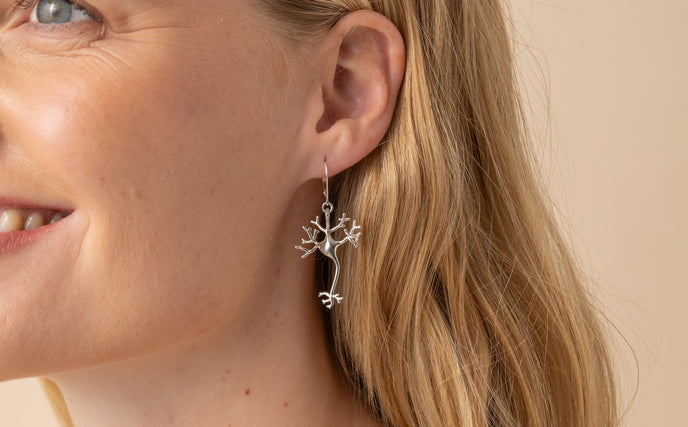
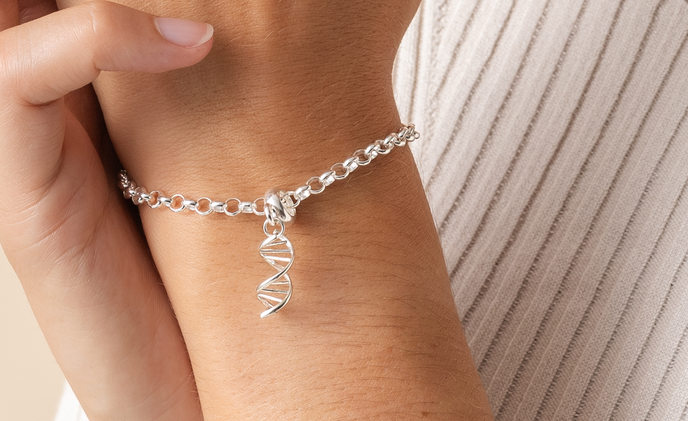
Dive into the captivating world of science-inspired jewelry, where intricate designs meet the essence of medical and laboratory tools. These masterfully crafted pieces act as subtle yet striking tributes to the instruments that have paved the way for scientific discovery. From DNA helices to microscope charms, each piece serves as a conversation starter, a talisman, and a small monument to human ingenuity. They're not just accessories; they're wearable artifacts that tell a story of scientific exploration and advancement.
Find your perfect fit: measure an Existing Ring
Finding out your ring size at home is a simple process and can help you shop for jewelry online with confidence.
Necklace length guide