€ 170


Still questions? Contact us
Sarcomere necklace | sterling silver
If you can read a sarcomere diagram (Z disc, I band, A band, M line, with thick and thin filaments sliding past each other) and know exactly what each band is doing during a contraction, you already recognise what this is. The basic contractile unit of striated muscle, the structure every cardiac and skeletal muscle disease comes back to.
The Science of the Sarcomere
The sarcomere is the basic contractile unit of striated muscle. Bounded by two Z discs, it contains the regular array of thick filaments (myosin) and thin filaments (actin) that the sliding-filament theory of contraction is built on. Hugh Huxley and Andrew Huxley independently proposed the model in 1954, and it has been the foundation of muscle physiology ever since. During contraction, ATP binds myosin heads, which then attach to actin and pull, walking the thin filament toward the centre of the sarcomere. The Z discs come closer together, the I bands shorten, the A band stays the same length, and the M line stays centred. Cardiac muscle, skeletal muscle, and most of the diseases of muscle (cardiomyopathies, muscular dystrophies, statin myopathies) come back to changes in this geometry.
A Quiet Symbol For
The audience clusters around muscle and motor-protein work:
- cardiac and skeletal muscle physiologists
- cardiologists working on heart failure, hypertrophy, or cardiomyopathies
- exercise physiologists and sports medicine specialists
- biophysicists studying motor proteins and force generation
- graduate students and postdocs through their first muscle physiology block
About a third of orders ship to academic muscle biology and cardiac physiology departments, with the rest going to clinicians and to family members marking a muscle-focused PhD or fellowship.
Explore Related Cellular Biology Jewelry
- Sarcomere necklace | gold vermeil
- Myosin necklace | silver
- Anatomical heart necklace | sterling silver
- Mammalian cell necklace | silver
FAQ
What does a muscle biologist read into this piece?
The full architecture of contraction. The sarcomere is the unit muscle biologists work on every day, and a piece that names it specifically rather than gesturing at "muscle" reads as well-chosen. People who have spent a career on actin-myosin biophysics, sarcomere assembly, or cardiomyopathy genetics tend to recognise the structure across a room.
Why is the sliding-filament model still the foundation 70 years later?
Because the geometry was correct on the first attempt. Hugh Huxley and Andrew Huxley proposed independently in 1954 that the thin filaments slide past the thick filaments without changing length, and every subsequent measurement (electron microscopy of cross-bridges, X-ray diffraction of muscle in different states, single-molecule force measurements on myosin) has refined the model rather than overturning it. Modern muscle research is mostly about understanding the regulation, the energetics, the structural details, and the disease variations of a contraction model that was already roughly right when the lab work could only be done in frog muscle and Polaroid prints.
What is the size, material, and chain?
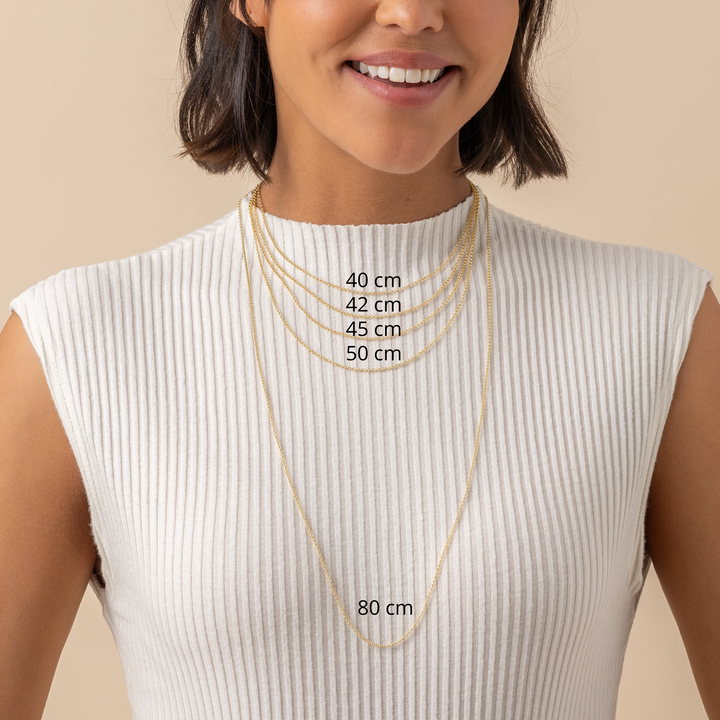
42 mm pendant in 925 sterling silver, nickel-free. 45 cm sterling silver chain with a 5 cm extender. Ships free worldwide via DHL Express in 1-5 business days, with all import duties prepaid. Comes in a ready-to-gift jewelry box with the 30-day “Love It or Return It” policy.
Same design as the gold sarcomere?
Yes. Same 42 mm pendant, identical sarcomere geometry. Material is the only difference. The silver is the everyday lab piece. The gold reads more formal, more often a milestone gift after a muscle-focused PhD or a fellowship in cardiac physiology.
Cellular Biology
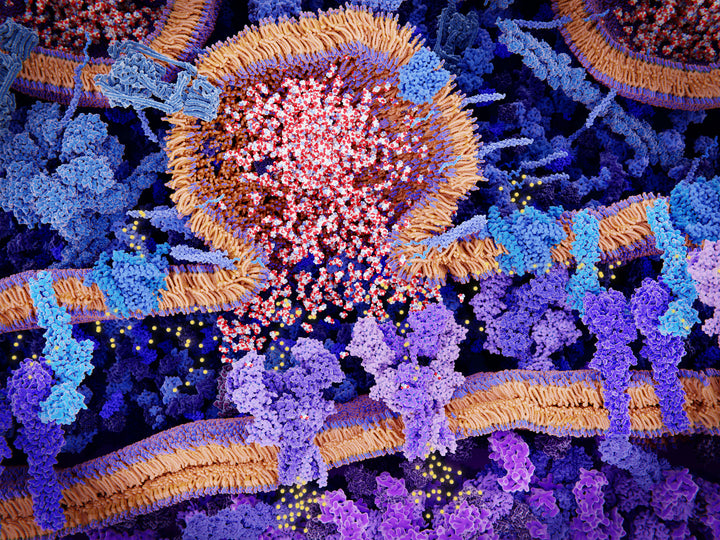
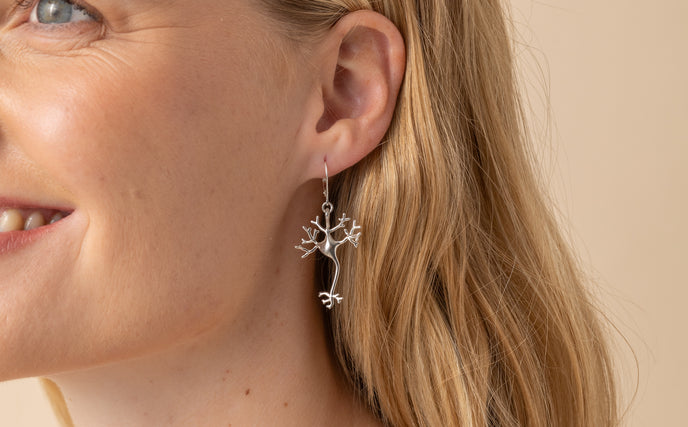
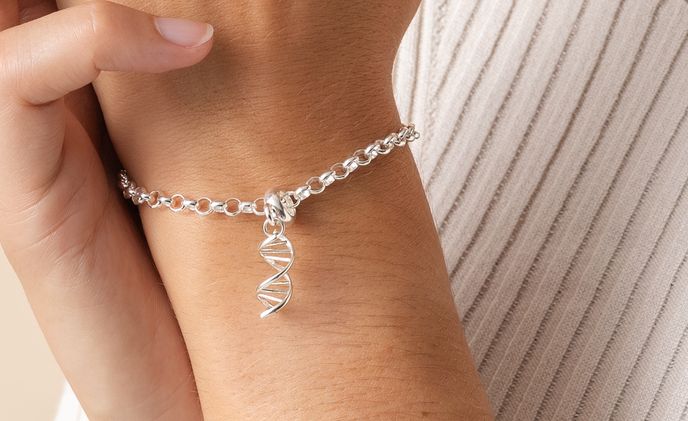
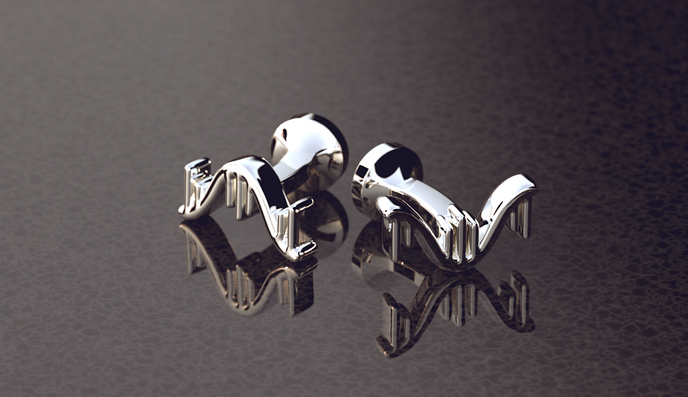
Step into the fascinating world of cellular biology through our unique jewelry designs. These pieces serve as wearable reflections of life's microscopic wonders, capturing the aesthetics of DNA strands, cellular formations, and more. Far from simple adornments, they spark dialogue and honor the captivating complexities found within biological research. Merging scientific accuracy with artistic flair, each creation offers a tactile experience that bridges the gap between scientific inquiry and aesthetic appreciation.
Find your perfect fit: measure an Existing Ring
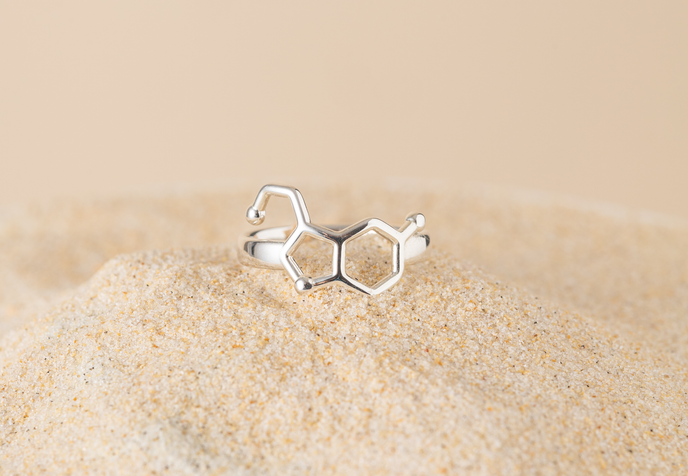
Finding out your ring size at home is a simple process and can help you shop for jewelry online with confidence.
Necklace length guide