

€ 240


Still questions? Contact us
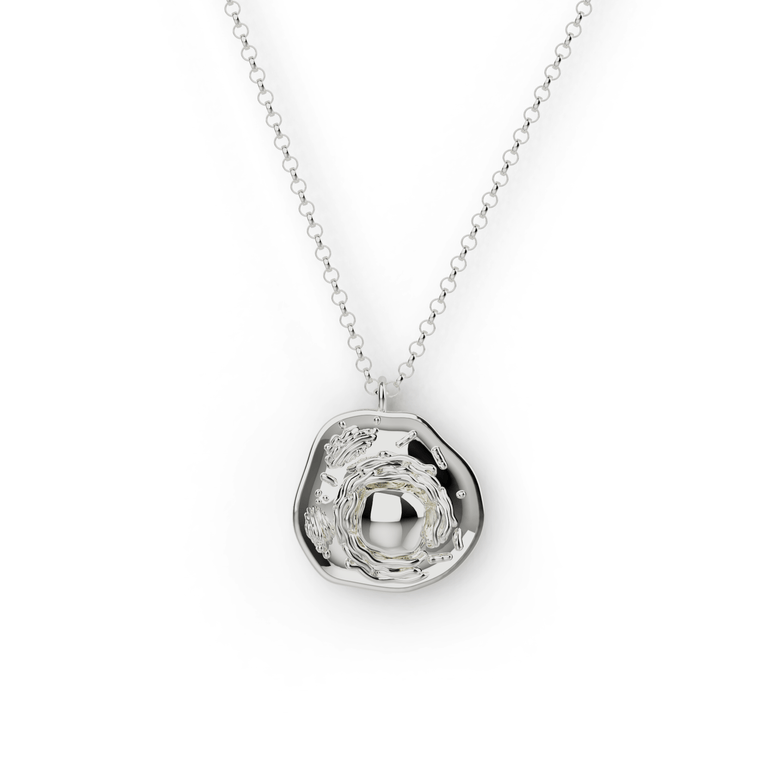
Mammalian cell necklace | sterling silver
The eukaryotic cell is a roughly 15-micrometre system that runs hundreds of incompatible chemistries in parallel. Oxidative phosphorylation in the mitochondria, reductive biosynthesis in the cytoplasm, low-pH degradation in the lysosome, protein folding in the ER. The compartmentalisation is what makes all of it possible.
The Science of the Mammalian Cell
A typical mammalian cell is 10 to 20 micrometres in diameter, roughly a thousand to ten thousand times the volume of a typical bacterium, with a regulatory machinery scaled accordingly. The compartments do specific work. The nucleus runs transcription and protects the genome from cytoplasmic chemistry. The rough ER folds secreted and membrane proteins. The smooth ER synthesises lipids. The Golgi modifies and sorts cargo for secretion. The mitochondria produce ATP and run programmed cell death. The lysosomes degrade. The peroxisomes oxidise. The cytoskeleton (actin, intermediate filaments, microtubules) maintains the cell's shape and runs the intracellular transport that connects the compartments. Most modern drugs target a protein expressed in a specific compartment of this geometry, which is why understanding the cell at this level is the foundation of pharmacology.
Worn By
The audience clusters around people who work at this scale daily:
- cell biologists and molecular biologists running primary and immortalised cultures
- biochemists and pharmacologists working on intracellular drug targets
- pathologists and histology specialists who read mammalian tissue
- biotech and pharma scientists in cell line development or process biology
- medical students and graduate students through their first deep cell biology block
Explore Related Cellular Biology Jewelry
- Mammalian cell necklace | gold vermeil
- Mitochondrion necklace | silver
- Nuclear pore necklace | silver
- Ribosomes necklace | silver
- Membrane necklace | silver
FAQ
What do you give a cell biologist who already has organelle pieces?
The whole-cell version. Working cell biologists tend to accumulate pieces representing specific organelles they have spent time on (mitochondria, ribosomes, nuclear pore, microtubules), and the mammalian cell pendant reads as the synthesis of those individual pieces, the system rather than the part. Often given by partners or grad students at the close of a doctorate.
Why does the eukaryotic cell run so much more chemistry than a bacterium?
Because compartmentalisation lets incompatible chemistries coexist. A bacterium has to run all of its chemistry in one cytoplasmic space, which means everything has to be compatible with everything else. The eukaryotic cell solves this by physically separating processes into membrane-bound compartments. Oxidative phosphorylation can run at high gradient in the mitochondria without disrupting the cytoplasm. Lysosomal hydrolases can run at pH 4.5 without dissolving everything else. Protein folding can happen in the ER under controlled conditions before the protein meets the rest of the cell. The trade-off is the energy and machinery required to maintain all those compartments, which is why eukaryotic cells need so many more genes and so much more regulatory machinery than their bacterial ancestors.
What's the size, material, and chain?
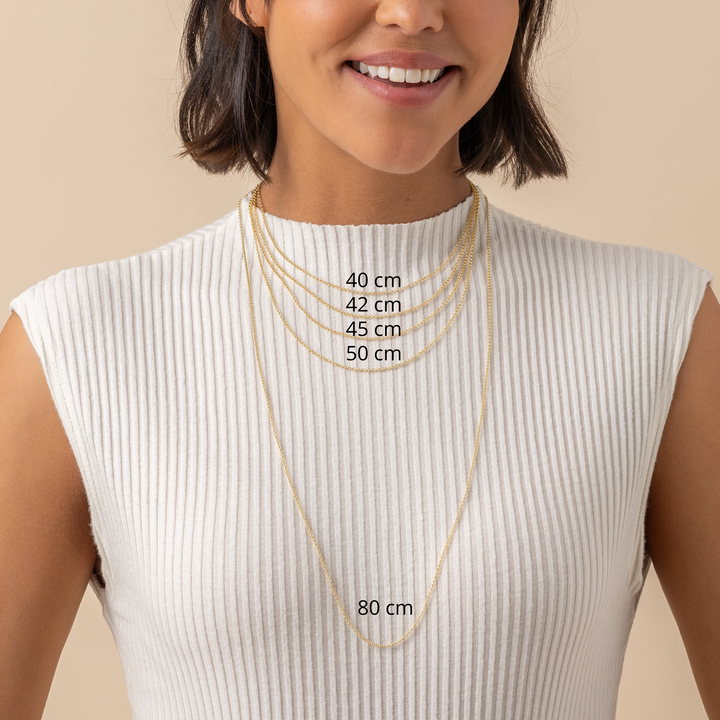
20 mm pendant in 925 sterling silver, nickel-free. 45 cm sterling silver chain with a 5 cm extender. Ships free worldwide via DHL Express in 1-5 business days, with all import duties prepaid. Comes in a ready-to-gift jewelry box with the 30-day “Love It or Return It” policy.
Same design as the gold mammalian cell?
Yes. Same model, same 20 mm size. Material is the only difference.
Cellular Biology
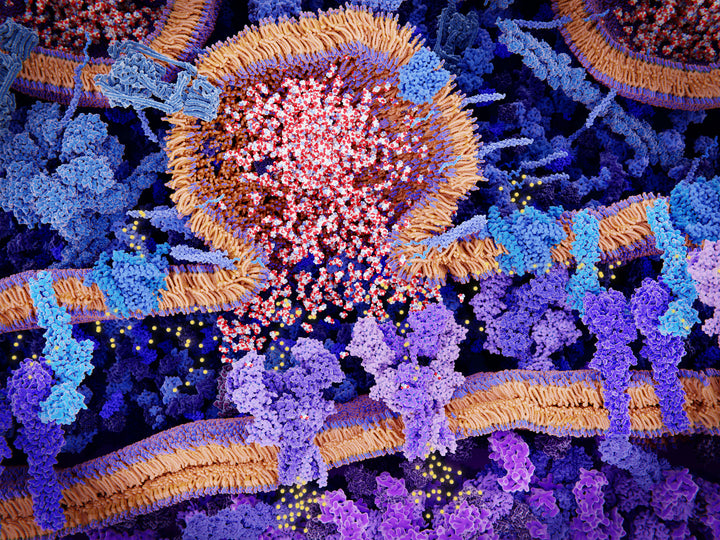
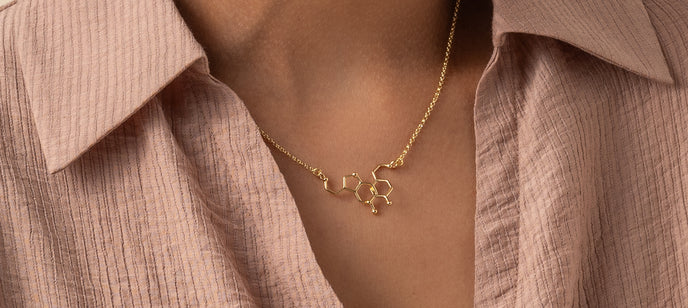
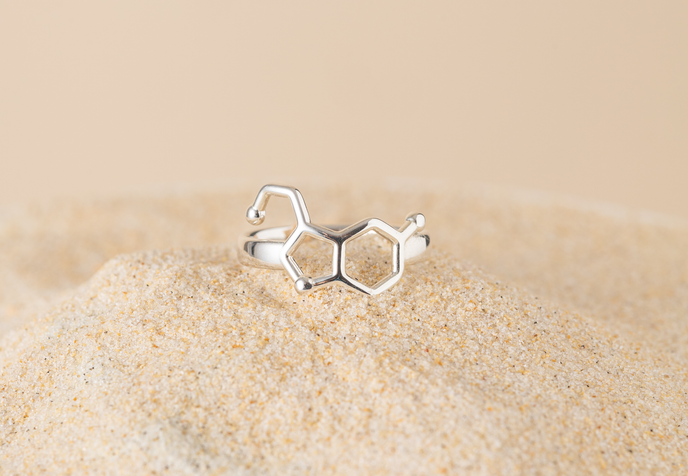
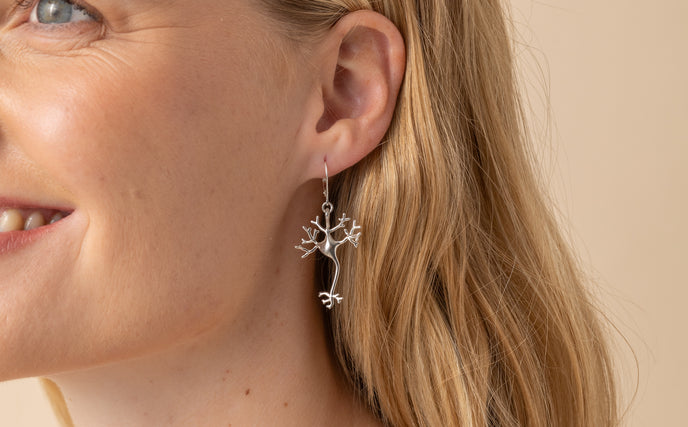
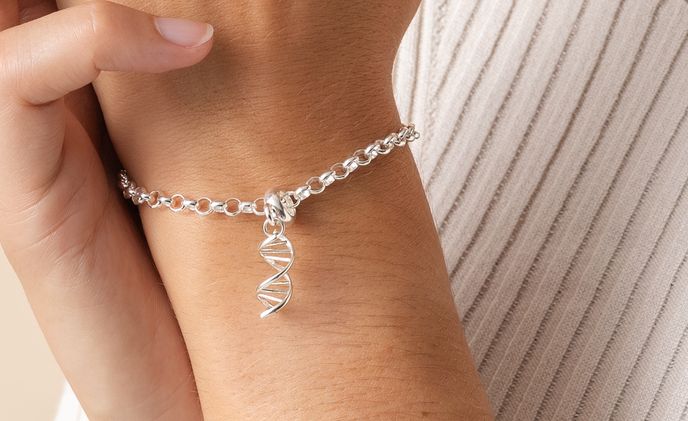
Step into the fascinating world of cellular biology through our unique jewelry designs. These pieces serve as wearable reflections of life's microscopic wonders, capturing the aesthetics of DNA strands, cellular formations, and more. Far from simple adornments, they spark dialogue and honor the captivating complexities found within biological research. Merging scientific accuracy with artistic flair, each creation offers a tactile experience that bridges the gap between scientific inquiry and aesthetic appreciation.
Find your perfect fit: measure an Existing Ring
Finding out your ring size at home is a simple process and can help you shop for jewelry online with confidence.
Necklace length guide