€ 205


Still questions? Contact us
Mitochondrion necklace | sterling silver
Every mitochondrion in your body came from your mother. Mitochondrial DNA is passed only down the maternal line, generation after generation. Trace yours back far enough and you reach Mitochondrial Eve, the woman who lived in Africa around 200,000 years ago and is the most recent common matrilineal ancestor of every human alive today.
The Science of the Mitochondrion
Mitochondria are double-membrane organelles that produce cellular ATP via oxidative phosphorylation. The inner membrane folds into cristae to maximise surface area for the electron transport chain, which pumps protons across the inner membrane. ATP synthase uses the resulting gradient to phosphorylate ADP. Mitochondria retain a circular genome (mtDNA, 16,569 base pairs in humans) encoding 13 proteins, 22 tRNAs, and 2 rRNAs. This remnant genome proves endosymbiotic origin: mitochondria descended from ancestral alpha-proteobacteria. Lynn Margulis proposed this in 1967, and genetic sequencing confirmed it. Mutations in mtDNA cause heritable diseases (MELAS, LHON, Leigh syndrome), and mitochondrial dysfunction underlies ageing and neurodegeneration.
Who Reaches For This
- cell biologists and biochemists who work with mitochondria
- researchers in bioenergetics, mitochondrial disease, and ageing biology
- students who have memorised the electron transport chain and cristae structure
- anyone who appreciates the endosymbiotic origin story
Explore Related Cellular Biology Jewelry
- Mitochondrion necklace | gold vermeil
- Ribosomes necklace | silver
- Nucleosomes necklace | silver
- Nuclear pore necklace | silver
FAQ
Is this a gift for someone in cell biology or bioenergetics?
Yes. Mitochondria is a daily concept for anyone running mitochondrial disease research, teaching the ETC, or studying ageing. The piece marks a specialist who has lived inside the structure deeply enough to wear it.
Why does mitochondrion have its own DNA?
Because it is the descendant of an ancient bacterium that was engulfed by a larger cell billions of years ago. Endosymbiotic theory explains this: mitochondria are symbiotic bacteria that became integrated organelles over evolutionary time. The circular DNA is a genetic fossil.
What is the size, material, and chain?
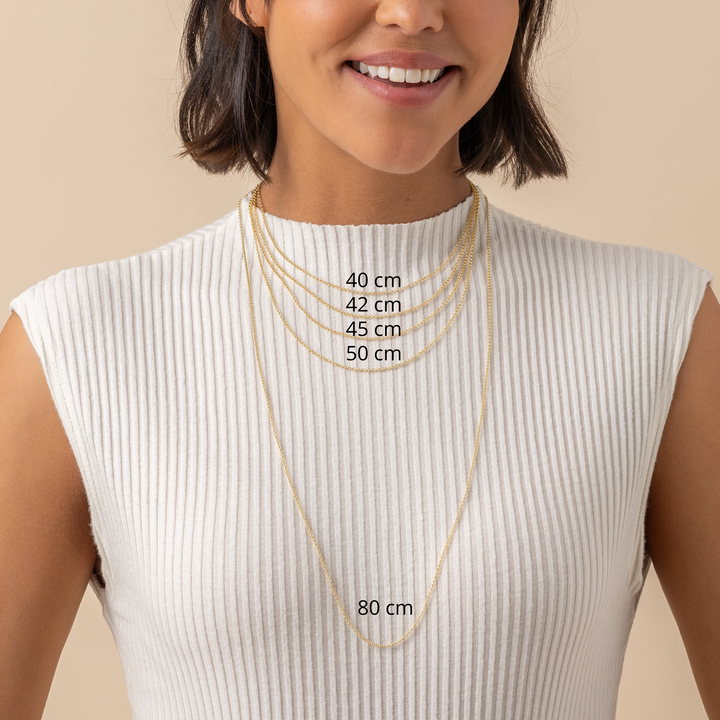
24 mm pendant in 925 sterling silver, nickel-free and hypoallergenic. 45 cm sterling silver chain with 5 cm extender. Ships free worldwide via DHL Express in 1-5 business days, with all import duties prepaid. Comes in a ready-to-gift jewelry box with the 30-day “Love It or Return It” policy.
Is there a gold version?
Yes. Mitochondrion is available in 18k gold vermeil at the same 24 mm size. Many customers pair silver and gold versions as complementary pieces or gifts to lab colleagues.
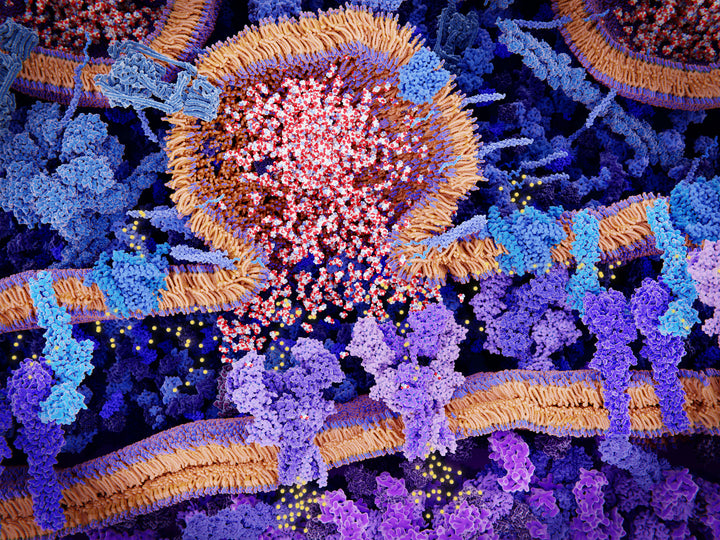
Cellular Biology
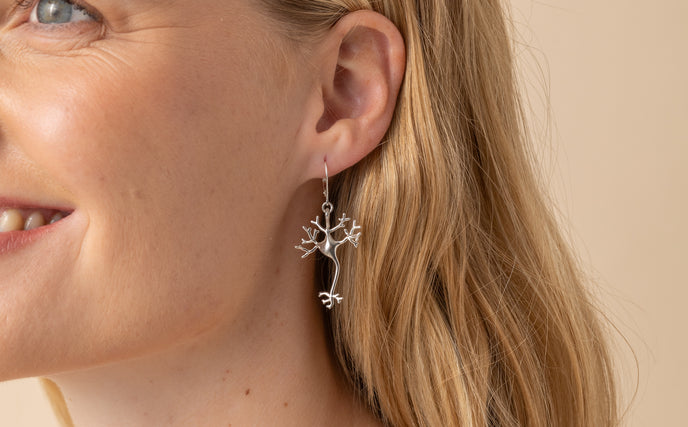
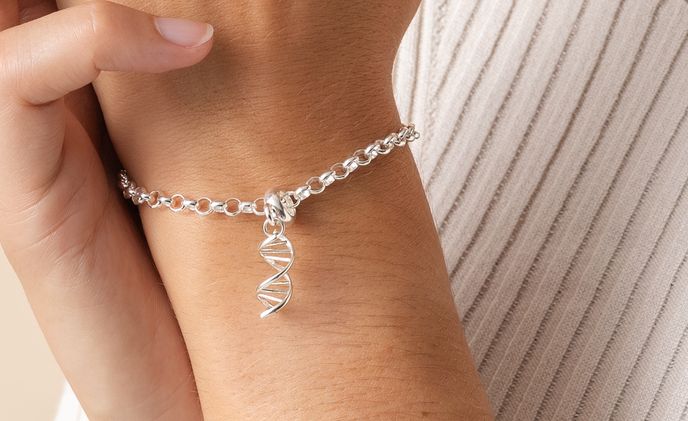
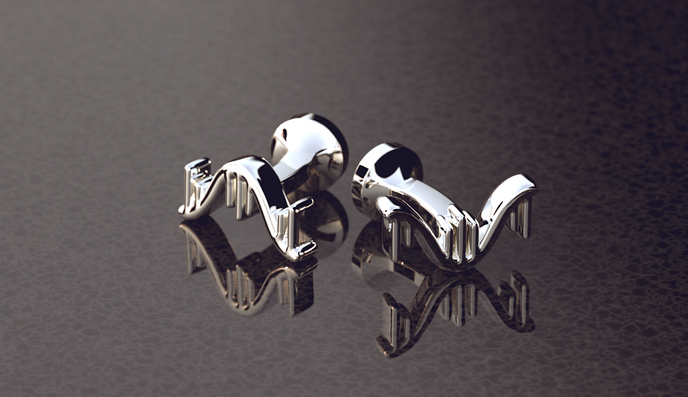
Step into the fascinating world of cellular biology through our unique jewelry designs. These pieces serve as wearable reflections of life's microscopic wonders, capturing the aesthetics of DNA strands, cellular formations, and more. Far from simple adornments, they spark dialogue and honor the captivating complexities found within biological research. Merging scientific accuracy with artistic flair, each creation offers a tactile experience that bridges the gap between scientific inquiry and aesthetic appreciation.
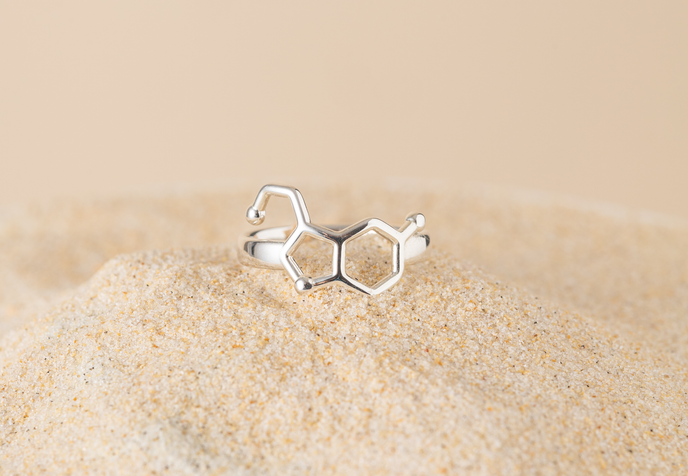
Find your perfect fit: measure an Existing Ring
Finding out your ring size at home is a simple process and can help you shop for jewelry online with confidence.
Necklace length guide