
€ 160


Still questions? Contact us
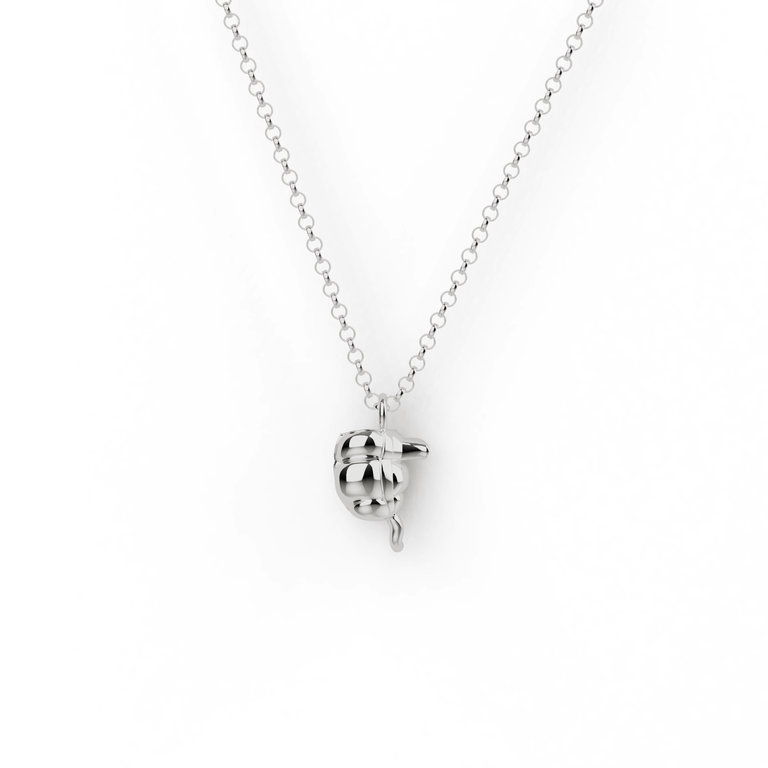
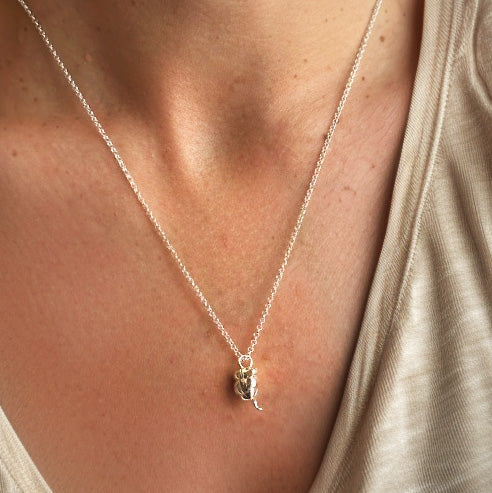
Appendix necklace | sterling silver
For most of the twentieth century, the appendix was the canonical example of a vestigial organ. The view has shifted. Concentrated lymphoid tissue, a position at the ileocaecal junction, and a now-suspected role as a reservoir for gut microbiota make the appendix one of the more interesting structures in clinical anatomy.
The Anatomy of the Appendix
The appendix is a finger-like blind-ended tube arising from the caecum at the ileocaecal junction. Its wall contains abundant gut-associated lymphoid tissue (GALT), most prominent in childhood and consistent with a role in mucosal immune education. Its position varies considerably: retrocaecal (most common), pelvic, subcaecal, or pre-ileal. The variation matters clinically. Appendicitis presents atypically when the appendix is retrocaecal, because the inflammation is masked by the caecum and pain shifts toward the flank rather than McBurney's point. A growing literature also supports the appendix as a microbial reservoir that helps repopulate the colon after diarrhoeal illness.
The Audience
The audience clusters around abdominal surgery and gut immunology:
- general surgeons who have removed many appendices
- gastroenterologists working on gut-associated lymphoid tissue
- immunologists interested in mucosal immunity and the microbiome
- anatomists and medical students mid-rotation in surgery
- anyone whose first scrubbed-in case was an emergency appendectomy
Explore Related Human Anatomy Jewelry
- Gastro-intestinal tract necklace | silver
- Stomach necklace | silver
- Pancreas necklace | silver
- Liver necklace | silver
FAQ
Is this specific enough for a general surgeon?
Yes. The appendix is the textbook acute-abdomen referent and the surgical procedure most general surgeons learn first. The vestigial-to-immune-reservoir reframing makes the piece read as field-aware rather than generic anatomy, particularly for surgeons whose practice runs through emergency appendectomies and gastroenterologists working on mucosal immunity.
Why is the appendix not considered vestigial anymore?
Because it has measurable function. The appendix contains concentrated gut-associated lymphoid tissue, sits at the junction where the small intestine meets the colon, and is functionally isolated from the bulk flow of intestinal contents. Recent work suggests it can preserve beneficial bacteria and memory immune cells through severe diarrhoea or infection, then reseed the colon afterwards. That is not vestigial behaviour.
What is the size, material, and chain?
16 mm pendant in 925 sterling silver, nickel-free. 45 cm sterling silver chain with a 5 cm extender. Ships free worldwide via DHL Express in 1-5 business days, with all import duties prepaid. Comes in a ready-to-gift jewelry box with the 30-day “Love It or Return It” policy.
Is there a gold version?
Not currently in the active catalog. The silver appendix is the standard.

Human Anatomy
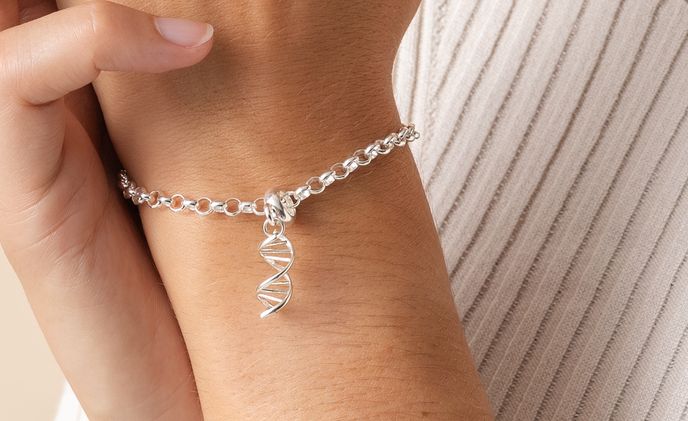
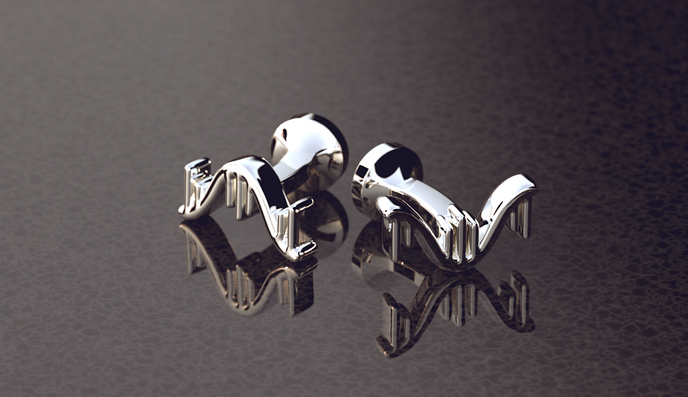
Anatomical wonders have never been so elegantly articulated. Our anatomical collection embodies the intricate and awe-inspiring structures that make us who we are. From DNA double helices to neuronal networks, our pieces don't merely imitate—they interpret. The collection serves as a tangible tribute to the hidden beauty within us all, elevating the realms of biology and medicine into wearable art. With exquisite attention to detail, each piece is a dialogue between form and function, revealing the enigmatic eloquence of the human body.



Find your perfect fit: measure an Existing Ring
Finding out your ring size at home is a simple process and can help you shop for jewelry online with confidence.
Necklace length guide