$402


Still questions? Contact us
Bacteriophage earrings | gold vermeil
Esther Lederberg came across phage lambda by accident, hidden in E. coli K-12, and first reported it in 1951. For a microbiologist who wears bacteriophage earrings in gold vermeil, lambda is part of her field's history, and research on it is still turning up new findings.
Who It's For
- a wife who teaches virology
- a student with microbiology exams ahead
- a friend in the life sciences
- a partner who works with microbes and already wears gold
- yourself, if your PhD was on phage
Jeremy B., on the silver pair: “Phenomenal quality and they arrived very quickly after our order went in.”
How a Phage Packs Its DNA
Before a new phage can leave the cell that made it, its DNA has to go into an empty protein shell. A motor in a portal of the shell, powered by ATP, pulls the strand inside until it is packed almost as tightly as a crystal. In 2001 Douglas Smith, Carlos Bustamante and colleagues held single DNA molecules in optical tweezers while the motor of the phage φ29 packed them. It worked against loads of up to 57 piconewtons on average, among the strongest molecular motors then reported. As the shell fills, the DNA pushes back. The team put the pressure inside at about 60 atmospheres, roughly ten times that in a champagne bottle.
Explore Related Microbiology Jewelry
- bacteriophage earrings | silver
- bacteriophage necklace | gold vermeil
- bacteriophage necklace | silver
- CRISPR necklace | gold vermeil
FAQ
How big are they, and how do they fasten?
Each earring measures 23 mm (about 0.9 inch), not counting the hook. That is 1.26 mm less than the width of a US quarter (24.26 mm). Each one hangs straight down on two small rings below a gold vermeil leverback hook, which clips closed behind the earlobe. Our vermeil is 2.5 microns of 18K gold over solid sterling silver.
Is there a silver pair, or a matching necklace?
Yes, the bacteriophage earrings also come in sterling silver, at the same 23 mm size, on sterling silver leverback hooks. Choose the finish the recipient already wears. The design is the same in both. For a set in one metal, the bacteriophage necklace comes in gold vermeil, a 23 mm pendant on a 45 cm gold vermeil chain with a 5 cm extender. It also comes in sterling silver.
Will they arrive in time, and what if they aren't right?
DHL Express delivers them free worldwide in 1-5 business days, and we pay the import duties and taxes, so nothing is due at the door. They arrive in a ready-to-gift jewelry box and festive envelope. If they aren't right, our 30-day “Love It or Return It” policy applies to unworn earrings.
Who started the Eliava Institute in Tbilisi?
The Georgian bacteriologist Giorgi Eliava, in 1923. At the Pasteur Institute in Paris he had learned of Félix d'Hérelle's discovery of bacteriophages and repeated his experiments. D'Hérelle spent 18 months in Tbilisi between 1933 and 1935, and a cottage was built near the institute for him to share with Eliava's family. In 1937 Eliava was arrested, and he was executed that July. D'Hérelle never returned to Georgia. The institute carries Eliava's name today and still keeps a collection of phages and bacterial strains.
Cellular Biology
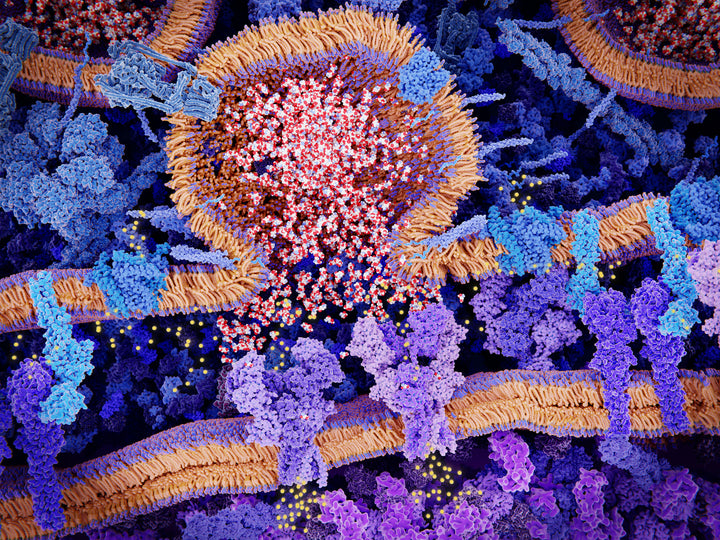
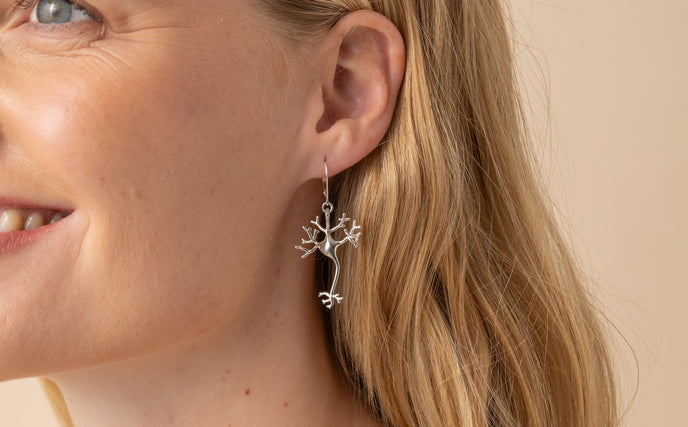
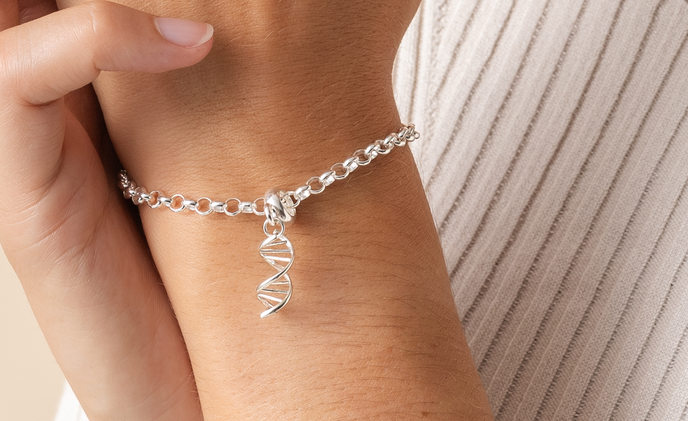
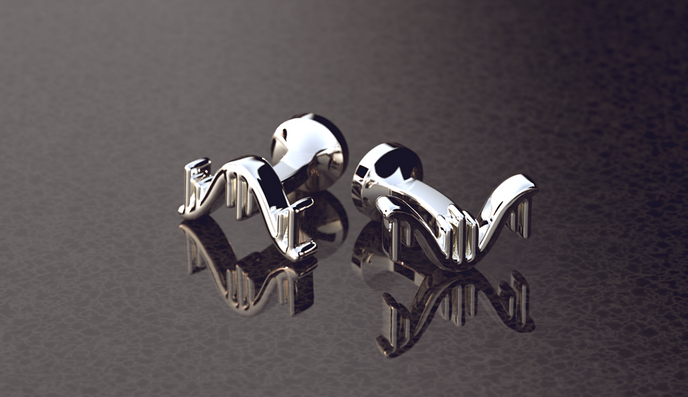
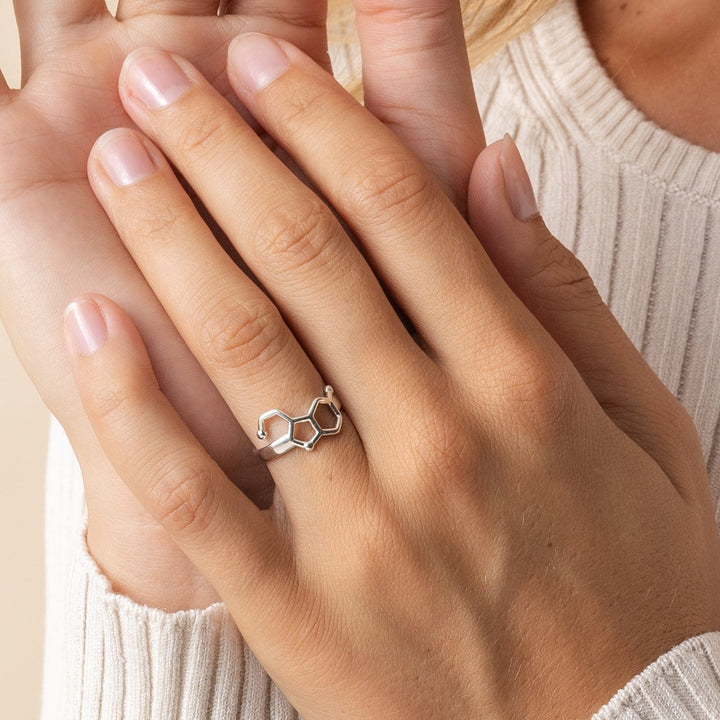
Step into the fascinating world of cellular biology through our unique jewelry designs. These pieces serve as wearable reflections of life's microscopic wonders, capturing the aesthetics of DNA strands, cellular formations, and more. Far from simple adornments, they spark dialogue and honor the captivating complexities found within biological research. Merging scientific accuracy with artistic flair, each creation offers a tactile experience that bridges the gap between scientific inquiry and aesthetic appreciation.
Find your perfect fit
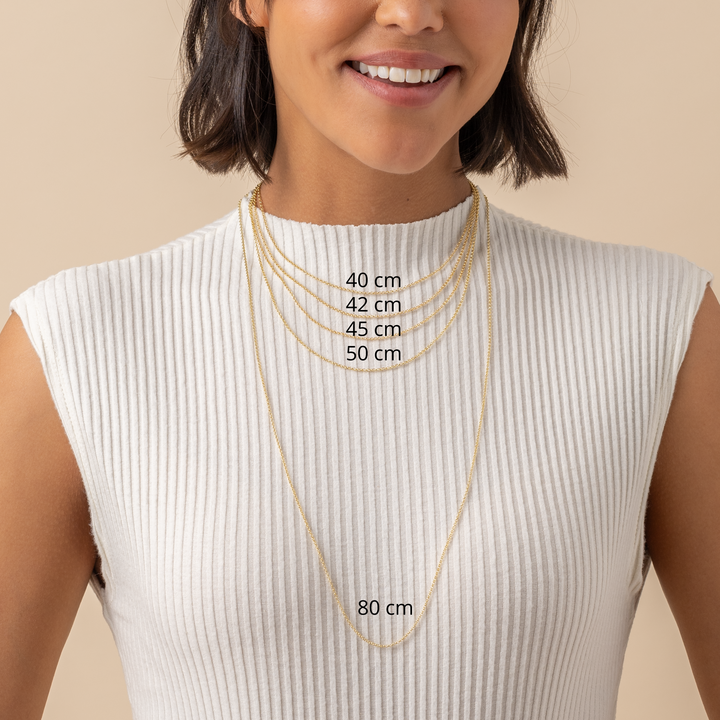
Necklace length guide