€ 180


Still questions? Contact us
Fibroblast necklace | sterling silver
If you have spent enough time at a tissue-culture hood watching fibroblasts spread, divide, and lay down their own extracellular matrix to know why they are the workhorse of cell biology, you already recognise what this is. The single most-cultured primary cell in research, the cell that built the field.
The Science of the Fibroblast
Fibroblasts are the connective-tissue cells that produce and maintain the extracellular matrix: collagens, elastin, glycosaminoglycans, proteoglycans, fibronectin. They are the structural cells of skin, tendon, ligament, organ stroma, and most loose and dense connective tissue in the body, and they are the cells responsible for wound healing. When tissue is injured, resident fibroblasts proliferate, migrate into the wound, switch on a contractile programme to become myofibroblasts, and lay down the collagen scaffold that closes the defect. The same programme, run wrong, drives fibrosis: pulmonary fibrosis, cardiac fibrosis, liver cirrhosis, scleroderma. Fibroblasts are also the most common primary cell in research because they are easy to isolate, easy to culture, and tolerant of manipulation. The first immortalised cell lines, the first iPS-cell reprogramming experiments (Yamanaka 2006), and a large fraction of basic cell biology have used fibroblasts as the starting material.
A Quiet Symbol For
The audience clusters around connective-tissue and tissue-engineering work:
- cell biologists running primary fibroblast cultures
- dermatologists, dermatopathologists, and skin researchers
- wound healing and regenerative medicine researchers
- fibrosis researchers in pulmonary, cardiac, hepatic, and renal disease
- iPS-cell biologists and stem-cell researchers using fibroblasts as starting material
Explore Related Cellular Biology Jewelry
- Mammalian cell necklace | silver
- Red blood cell necklace | silver
- Macrophage necklace | silver
- Membrane necklace | silver
FAQ
Why a fibroblast pendant rather than a more iconic cell?
Because fibroblasts are the cell most cell biologists actually work with. The neuron and the red blood cell are more recognisable as symbols, but the fibroblast is the cell that built the field: the first immortalised lines, the first iPS-cell reprogramming, much of the early work on the cytoskeleton and extracellular matrix. A piece naming the fibroblast specifically reads as a peer-recognition signal more than a generic "I work in biology" pendant.
Why are fibroblasts central to fibrosis and to wound healing?
Because they run the same programme in both. After injury, fibroblasts switch on a contractile, matrix-producing phenotype (myofibroblasts) that closes the wound by laying down collagen and contracting the defect. In acute injury this resolves: the myofibroblasts die off, the matrix remodels, and tissue function is restored. In chronic injury (recurrent damage, persistent inflammation, ageing) the programme stays on, and excess collagen accumulates as fibrotic tissue. Pulmonary fibrosis, cardiac fibrosis, liver cirrhosis, and scleroderma are all variations on the same theme. Most antifibrotic drugs in development target fibroblast activation or persistence, which is why understanding the cell at this level matters clinically as well as in basic research.
What is the size, material, and chain?
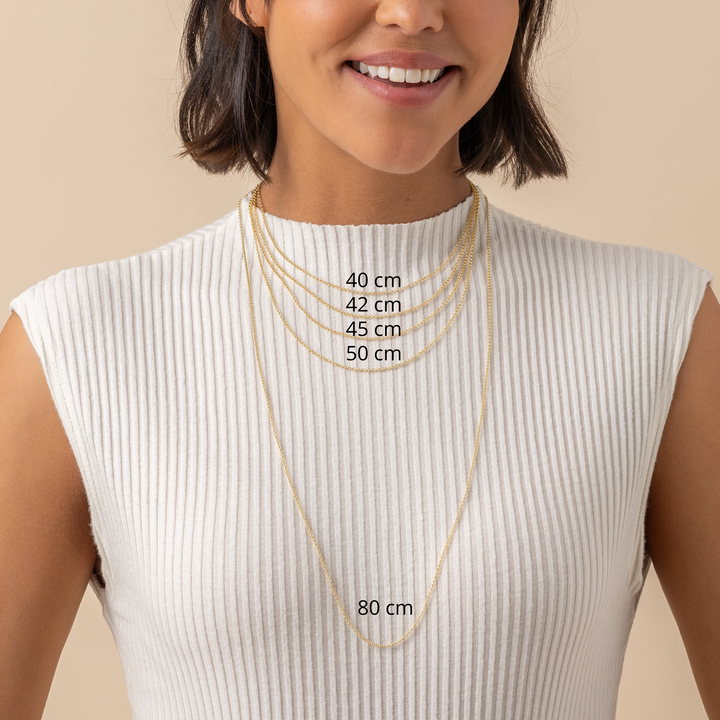
26 mm pendant in 925 sterling silver, nickel-free. 45 cm sterling silver chain with a 5 cm extender. Ships free worldwide via DHL Express in 1-5 business days, with all import duties prepaid. Comes in a ready-to-gift jewelry box with the 30-day “Love It or Return It” policy.
Is there a gold version?
Not currently. The fibroblast is silver only. The catalog has gold versions of several other cell-biology pieces (mammalian cell, red blood cell, ribosomes, nucleosomes) but the fibroblast is single-material for now.
Cellular Biology
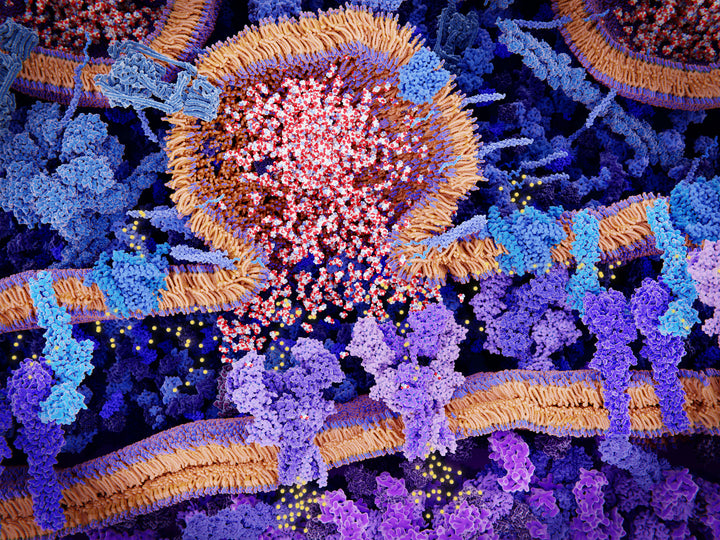
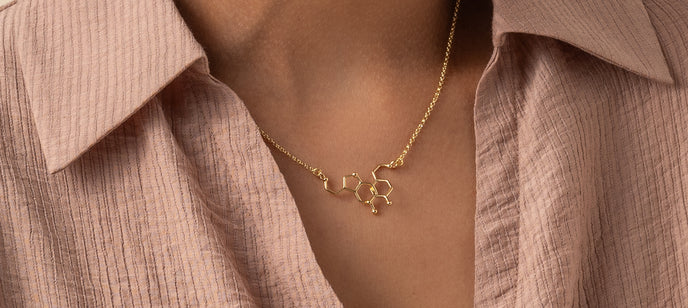
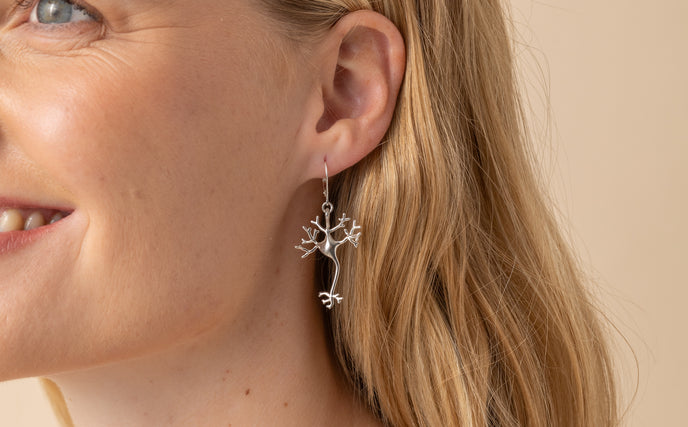
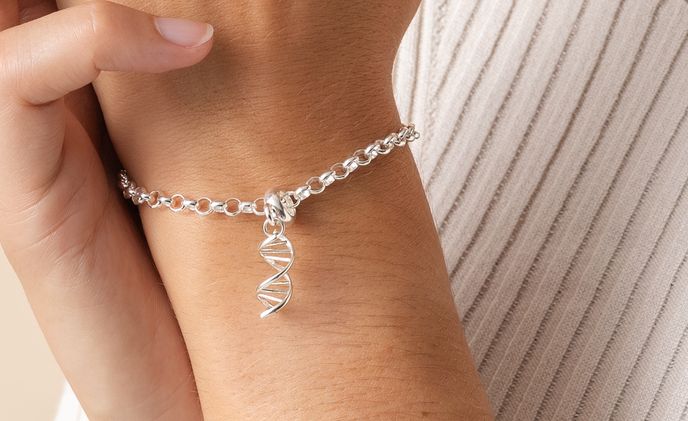
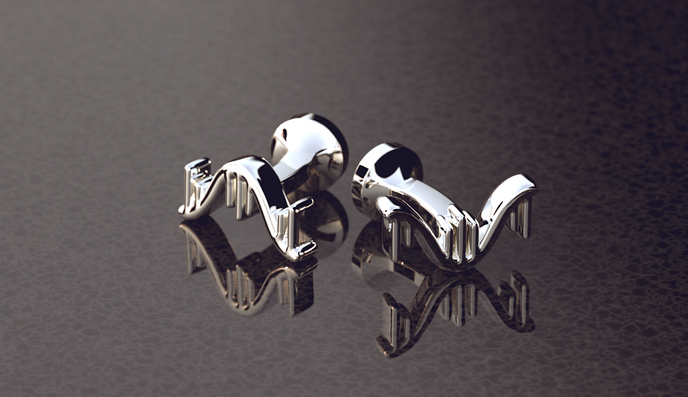
Step into the fascinating world of cellular biology through our unique jewelry designs. These pieces serve as wearable reflections of life's microscopic wonders, capturing the aesthetics of DNA strands, cellular formations, and more. Far from simple adornments, they spark dialogue and honor the captivating complexities found within biological research. Merging scientific accuracy with artistic flair, each creation offers a tactile experience that bridges the gap between scientific inquiry and aesthetic appreciation.
Find your perfect fit: measure an Existing Ring
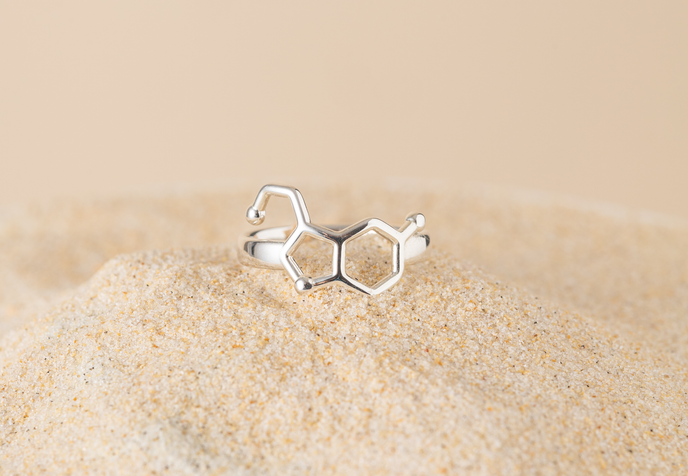
Finding out your ring size at home is a simple process and can help you shop for jewelry online with confidence.
Necklace length guide