€ 345


Still questions? Contact us
Macrophage necklace | 18K gold vermeil
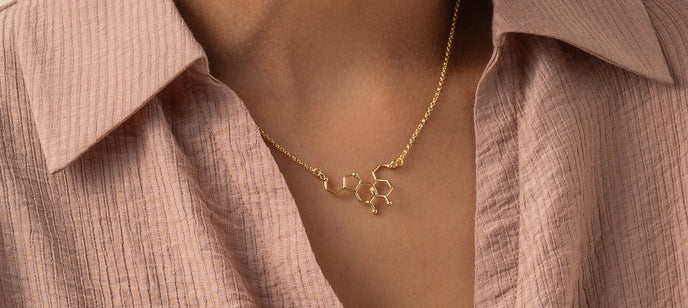
Every immune cell has its fans, and for many scientists the favourite is the one that eats first and asks questions later. This macrophage necklace in 18K gold vermeil is a gift for the immunologist or cell biologist in your life.
Who It's For
- your sister, when she leaves to study biology abroad
- an immunologist, on the day she defends her PhD
- a lab colleague, when she leaves after years with macrophages in a dish
- yourself, if gold is what you wear every day
The Body's Iron Recyclers
A red blood cell lives about 120 days. When it wears out, macrophages in the spleen and liver take it in, break down its haemoglobin and pull out the iron. That iron goes back to the bone marrow to build new red cells. The marrow needs around 20 to 25 milligrams of iron a day, and most of it comes from this recycling. The gut absorbs only about 1 to 2 milligrams a day from food.
Explore Related Cell Biology Jewelry
- macrophage necklace | silver
- eosinophil necklace | gold vermeil
- red blood cells necklace S | gold vermeil
- red blood cells necklace L | gold vermeil
FAQ
How big is the pendant, and what chain comes with it?
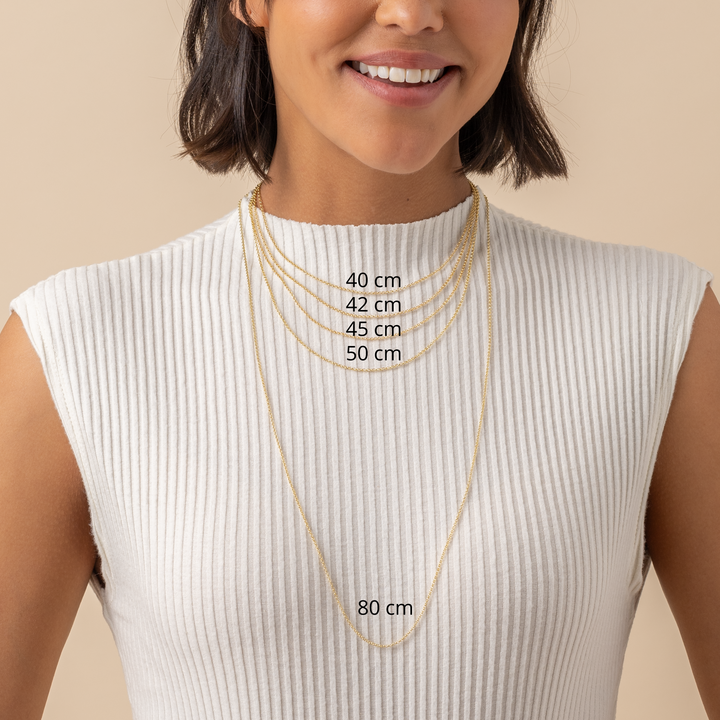
The pendant is 27 mm (about 1.1 inches), a little larger than a 2-euro coin. It comes on a long 80 cm (31.5 inch) gold vermeil chain with a lobster clasp, so it hangs low, at or just below the bust. 18K gold vermeil means 2.5 microns of 18K gold over solid sterling silver, nickel-free and hypoallergenic.
Is there a silver version?
Yes. The macrophage necklace also comes in sterling silver, at the same 27 mm on the same 80 cm chain. Choose the finish the recipient already wears: the design is the same in both.
Is delivery free, and what if it isn't right?
Yes. DHL Express delivers free in 1-5 business days worldwide, and we pay the import duties and taxes, so nothing is due at the door. It arrives in a ready-to-gift jewelry box and festive envelope. If it isn't right, our 30-day “Love It or Return It” policy applies.
Who discovered macrophages?
The zoologist Élie Metchnikoff, in Messina in 1882. While his family was at the circus, he pushed a small thorn into a see-through starfish larva. By the next morning, mobile cells had gathered around the thorn and were trying to swallow it. He called them phagocytes, from the Greek for devouring cells, and argued that they defend the body against intruders. He later gave the larger ones their own name, macrophages, the big eaters. In 1908 he shared the Nobel Prize in Physiology or Medicine with Paul Ehrlich.
Cellular Biology
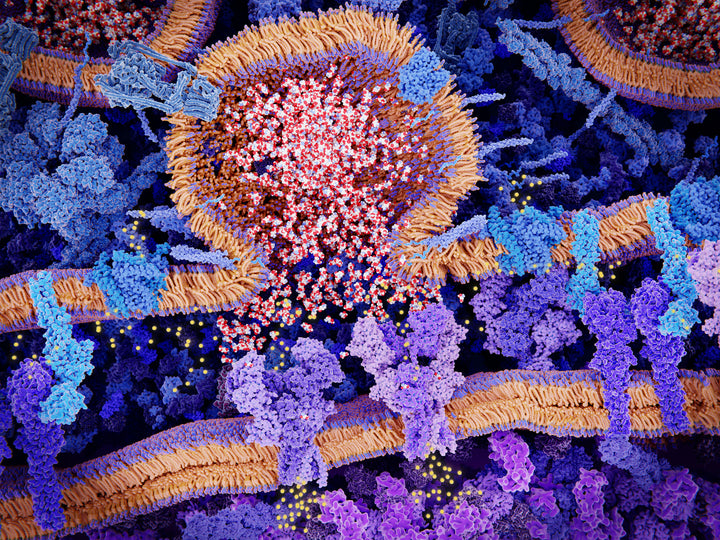
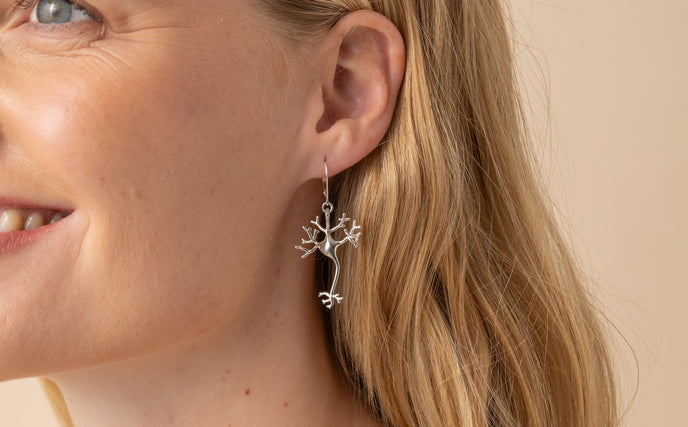
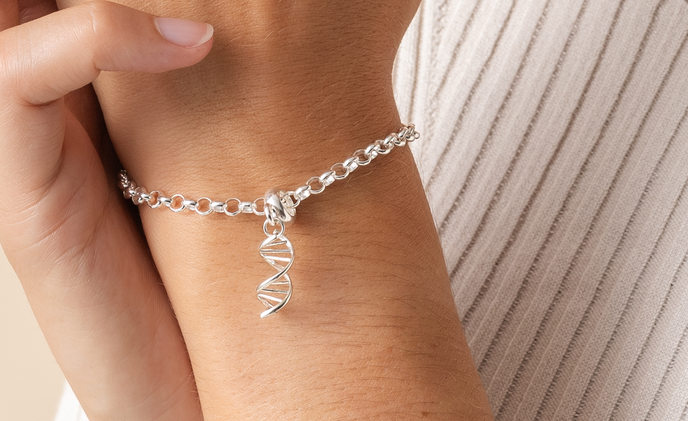
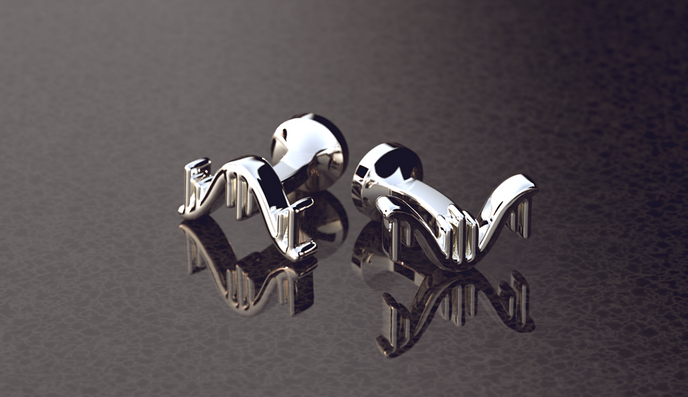
Step into the fascinating world of cellular biology through our unique jewelry designs. These pieces serve as wearable reflections of life's microscopic wonders, capturing the aesthetics of DNA strands, cellular formations, and more. Far from simple adornments, they spark dialogue and honor the captivating complexities found within biological research. Merging scientific accuracy with artistic flair, each creation offers a tactile experience that bridges the gap between scientific inquiry and aesthetic appreciation.
Find your perfect fit: measure an Existing Ring
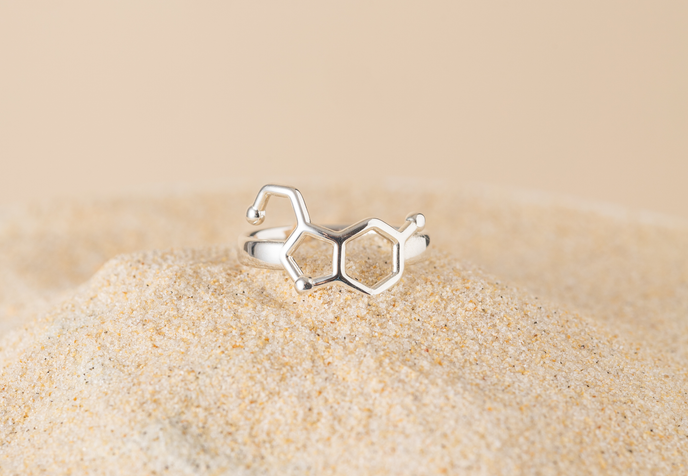
Finding out your ring size at home is a simple process and can help you shop for jewelry online with confidence.
Necklace length guide