€ 200


Still questions? Contact us
Red blood cell studs | 18K gold vermeil
The oxygen in every breath you take is carried through the body by red blood cells. These small red blood cell studs are a quiet nod to that work, for the medical student, doctor or lab scientist who spends her days with blood. Give them to her, or keep the pair for yourself.
Who It's For
- a medical student heading into residency interviews, as a small conversation piece
- a haematologist, transfusion specialist or lab scientist, for her birthday or Christmas
- a colleague retiring from the hospital lab
- someone who already wears the red blood cells necklace, to make a set
- yourself, as a small daily reminder of the work you do
From reviews of the silver version. Annicia S. bought a pair for her girlfriend, a medical student: “I wanted to get her a pair that not only will she wear but that may be a great conversation piece for the interviewers.” Nicole V. wrote: “Look like flowers, but they’re actually RBC’s!”
The Science of the Red Blood Cell
A red blood cell is about 8 micrometres across. To stay in circulation it has to squeeze through gaps in the spleen that are a quarter of a micrometre to just over one micrometre wide. It can do this because its membrane is held from the inside by a flexible mesh of a protein called spectrin, which lets the disc fold and spring back. Cells that have become too stiff or too round get caught in those gaps and are removed. In hereditary spherocytosis, faults in this mesh, or in the proteins that anchor it to the membrane, make the cells rounder and less flexible, so the spleen clears them early. That is why removing the spleen helps some patients.
Explore Related Cellular Biology Jewelry
- red blood cell studs | silver
- red blood cells necklace L | gold vermeil
- red blood cell earrings | silver
- antibody studs | gold vermeil
FAQ
How big are they, and how do they fasten?
Each stud measures 8 mm (about 0.3 inches) across, not counting the post. That is less than half the width of a US dime or a 1-cent euro coin, so they sit small and close to the earlobe. They fasten with gold vermeil posts and ear nuts at the back. 18K gold vermeil means 2.5 microns of 18K gold over solid sterling silver, nickel-free and hypoallergenic. To keep the gold bright, wipe them with a soft cloth and store them dry in their box.
Is there a silver pair, or a matching necklace?
Yes. Red blood cell studs also come in sterling silver, at the same 8 mm. Choose the finish she already wears: the design is the same in both. For a set, the red blood cells necklace L comes in sterling silver and in gold vermeil, with a 26 mm pendant. The smaller S necklace, at 17 mm, comes in both finishes too.
Is delivery free, and what if they aren't right?
Yes. DHL Express delivers free in 1-5 business days worldwide, and we pay the import duties and taxes, so nothing is due at the door. They arrive in a ready-to-gift jewelry box and festive envelope. If they aren't right, our 30-day “Love It or Return It” policy applies to unworn earrings.
Who first described human red blood cells?
Antonie van Leeuwenhoek, a cloth merchant in Delft who built his own microscopes. In April 1674 he looked at blood from his own hand and wrote to Henry Oldenburg of the Royal Society in London that it consists of small round globules in a crystal-clear, watery fluid. That June he reckoned the red globules to be 2,500 times smaller than a grain of sand, which, he added, “perhaps will to many seem incredible”. The Dutch naturalist Jan Swammerdam had seen red cells in frog blood years earlier, but his notes were only published after his death.
Cellular Biology
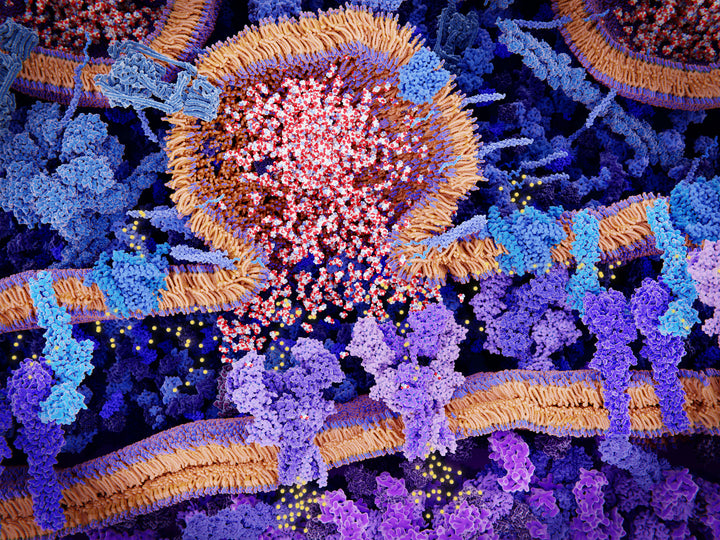
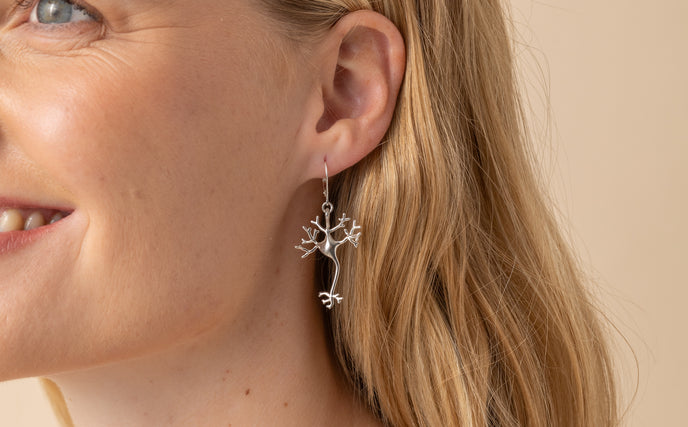
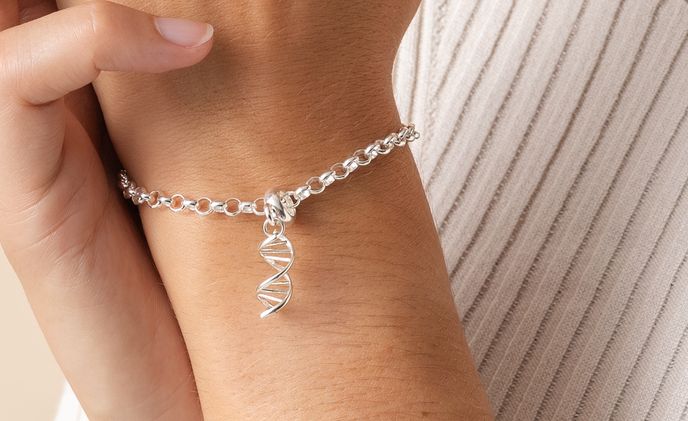
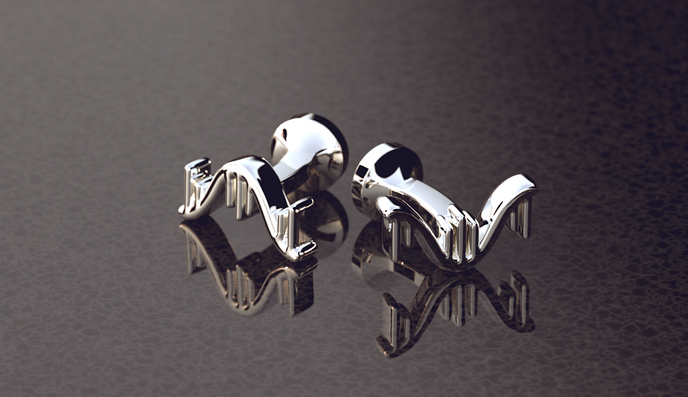
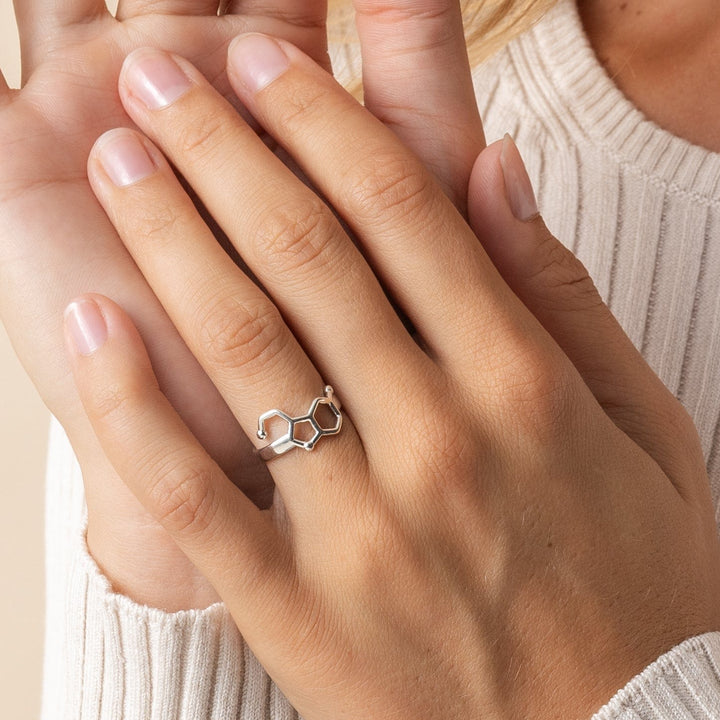
Step into the fascinating world of cellular biology through our unique jewelry designs. These pieces serve as wearable reflections of life's microscopic wonders, capturing the aesthetics of DNA strands, cellular formations, and more. Far from simple adornments, they spark dialogue and honor the captivating complexities found within biological research. Merging scientific accuracy with artistic flair, each creation offers a tactile experience that bridges the gap between scientific inquiry and aesthetic appreciation.
Find your perfect fit
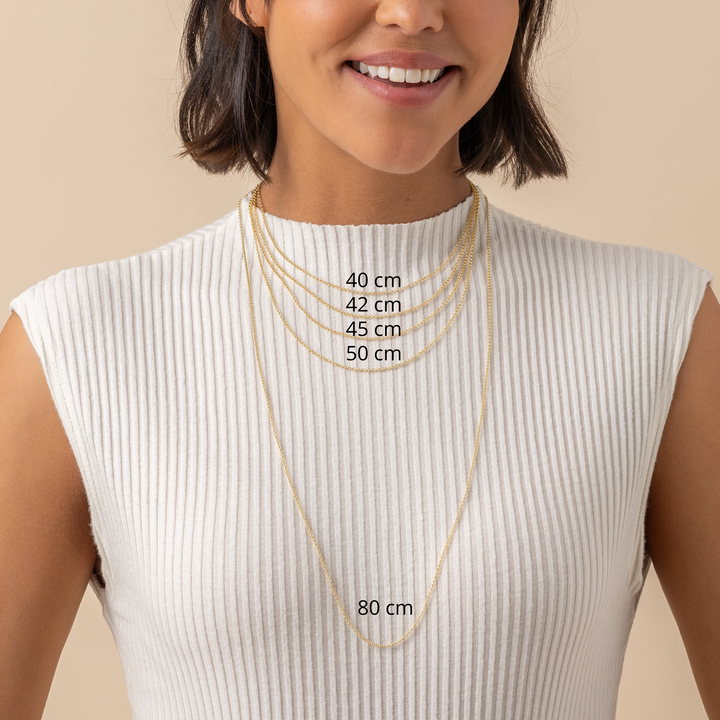
Necklace length guide