€ 190


Still questions? Contact us
red blood cells ring | sterling silver
The cell you carry in the trillions. A shape that exists for one reason: that biconcave disc packs more oxygen into your blood than any other form. Wear one and carry the structure that keeps every cell in your body alive.
The Science of the Red Blood Cell
There are roughly 25 trillion red blood cells (erythrocytes) in the adult human body. Each biconcave disc lives for approximately 120 days, making roughly 75,000 circuits of the circulatory system before being cleared by splenic macrophages. At any moment, approximately 2 million new cells are produced in bone marrow precursors to replace them. Each cell contains roughly 270 million hemoglobin molecules, the iron-protein complex that binds and carries oxygen. The biconcave geometry increases surface area by roughly 25 percent compared to a sphere, allowing faster oxygen diffusion across the cell membrane.
Who Reaches For This
- hematologists and clinical scientists working with blood cells
- medical and nursing students as a milestone gift
- blood donors or anyone with personal connection to transfusion medicine
- as a distinctive science ring for everyday wear
Explore Related Biology Jewelry
- Red blood cells necklace | silver
- Red blood cells necklace | gold vermeil
- Hemoglobin necklace | silver
- Antibody necklace | silver
FAQ
Who wears a red blood cell ring?
Hematologists, blood bank scientists, researchers studying erythropoiesis, medical students, and anyone with a personal connection to blood donation or transfusion medicine.
Why is the biconcave shape functionally important?
The biconcave disc maximizes surface area relative to volume, allowing oxygen diffusion to be fastest at the cell's thinnest point. The shape also allows the cell to flex and deform when passing through capillaries, which rigid spheres could not do. Every feature of the erythrocyte is shaped by the physics of oxygen transport.
What size and material? How do I determine my ring size?
925 polished sterling silver ring, available in US sizes 5-9. Nickel-free and hypoallergenic. To determine your ring size, wrap a strip of paper around the base of your finger (below the knuckle) and mark where it overlaps. Measure the length in millimetres and reference a ring-size conversion chart, or contact us for guidance. All import duties and taxes are covered by Science Jewelry 18:24.
What if the fit isn't right?
All jewelry is covered by a 30-day “Love It or Return It” policy. If the size is wrong, return it within 30 days under the “Love It or Return It” policy for a full refund and order the right size.
Cellular Biology
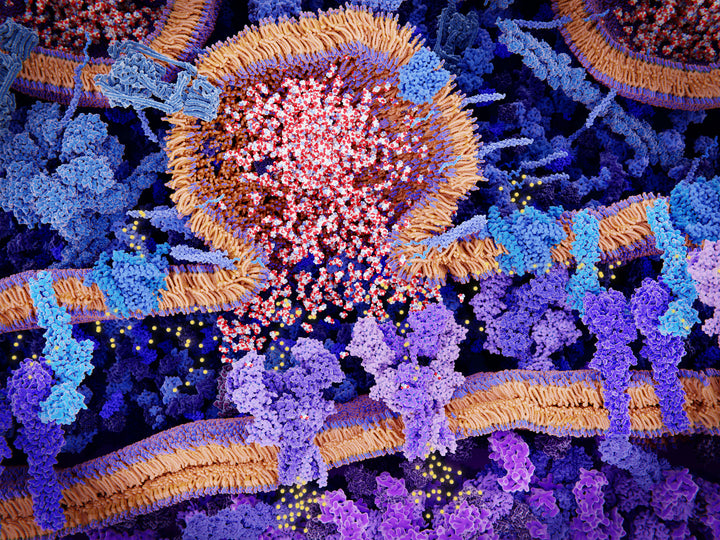
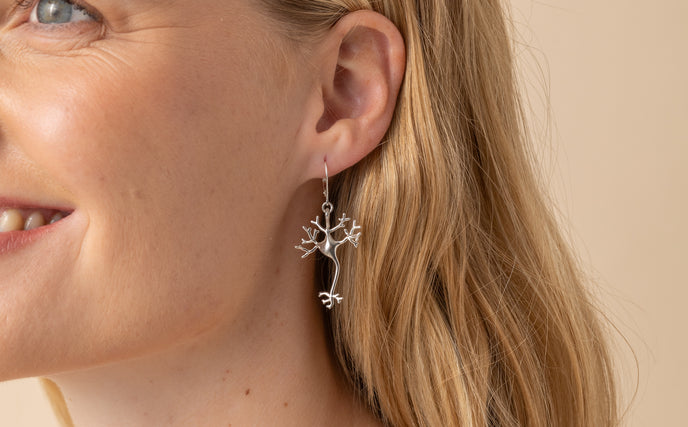
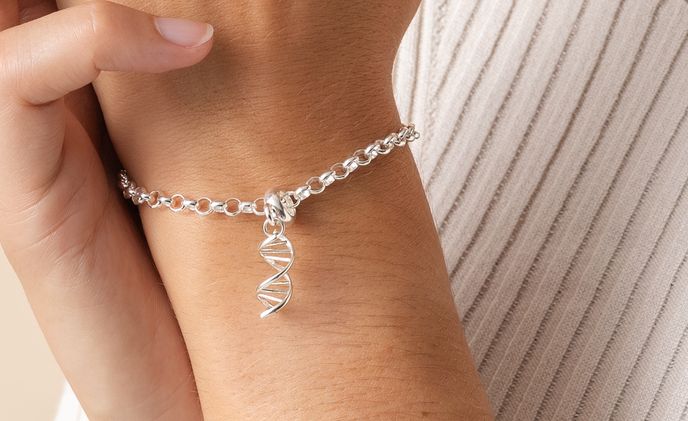
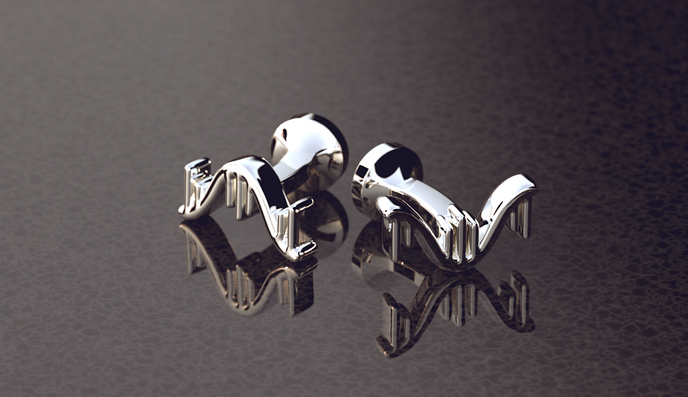
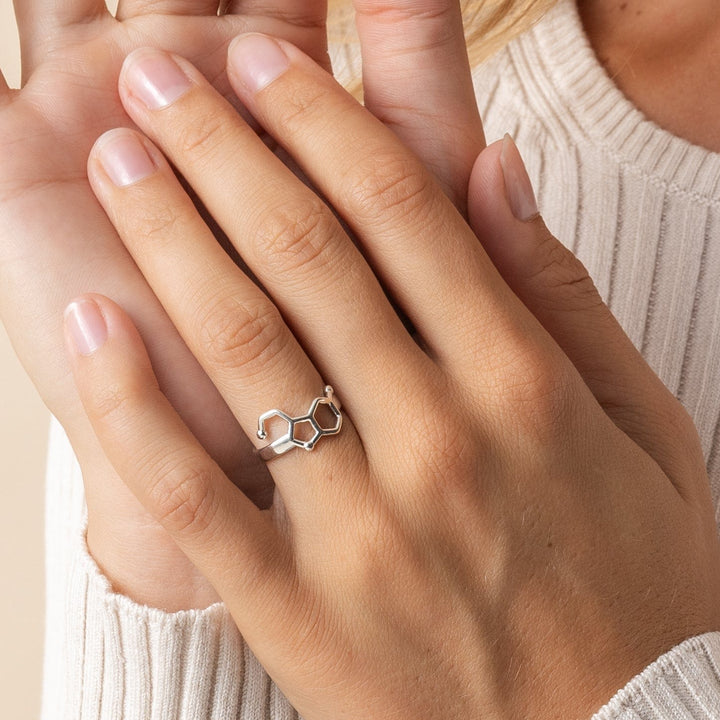
Step into the fascinating world of cellular biology through our unique jewelry designs. These pieces serve as wearable reflections of life's microscopic wonders, capturing the aesthetics of DNA strands, cellular formations, and more. Far from simple adornments, they spark dialogue and honor the captivating complexities found within biological research. Merging scientific accuracy with artistic flair, each creation offers a tactile experience that bridges the gap between scientific inquiry and aesthetic appreciation.
Find your perfect fit
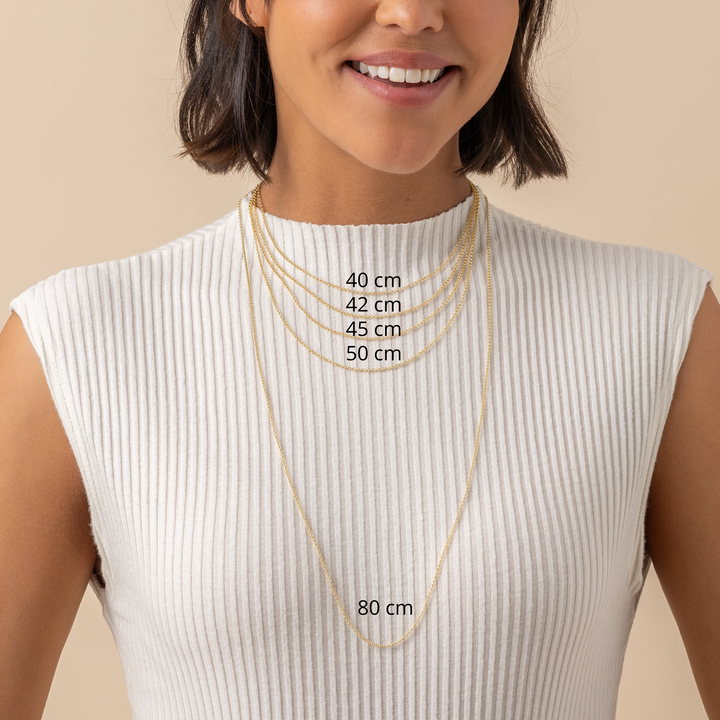
Necklace length guide