€ 165


Still questions? Contact us
rotifer necklace | sterling silver
If you've spent any time at a freshwater microscope, you've probably watched one of these at work. There are about two thousand species of rotifer, almost all of them invisible to the naked eye. Quietly diverse, hidden in plain sight, fundamental to freshwater food webs. Recognisable to anyone who's done a pond scan.
The Science of the Rotifer
Rotifers (phylum Rotifera) are microscopic aquatic animals typically 0.1 to 2 mm long. Their defining feature is the corona, a ring or rings of beating cilia at the head end that creates a rotating water current for both locomotion and feeding. The Latin name means 'wheel-bearer.' Many freshwater species reproduce exclusively by parthenogenesis (clonal females only) when conditions are favourable, and resume sexual reproduction only when resources become scarce. Like tardigrades, some rotifers can enter cryptobiosis: lose nearly all their water, suspend metabolism, and survive desiccation, freezing, or vacuum. They are model organisms for ageing, ecotoxicology, and small-scale fluid dynamics.
Who Will Recognise It
Mostly the people who've actually seen one through an objective lens. Outside that audience the piece needs explanation, which is part of why it works as a quiet field marker.
- aquatic biologists, freshwater ecologists, and limnologists
- microscopists who teach or run morphology courses
- invertebrate zoologists and parasitologists
- anyone who keeps a pond or aquarium and pays attention to what's in it
Often given to a colleague finishing a thesis on aquatic invertebrates, or a teacher who runs a microscopy unit.
Explore Related Microscopy Jewelry
- tardigrade necklace | silver
- tardigrade necklace | gold vermeil
- pollen grain necklace | silver
- cockchafer necklace | silver
FAQ
Will a non-biologist recognise this?
Almost certainly not. Rotifers are invisible to the naked eye and absent from popular biology. The piece is for people who've actually seen one through a microscope, which puts it firmly in peer-recognition territory rather than mass appeal. That narrowness is the appeal.
What's biologically distinctive about rotifers?
Three things. Their corona of beating cilia, which works as both engine and feeding apparatus. Parthenogenetic reproduction in many freshwater species, which means clonal populations that can switch to sexual reproduction when stressed. And cryptobiosis: the ability to dry out completely and revive years later. They are unusually resilient for animals at their size.
Size, material, chain length?
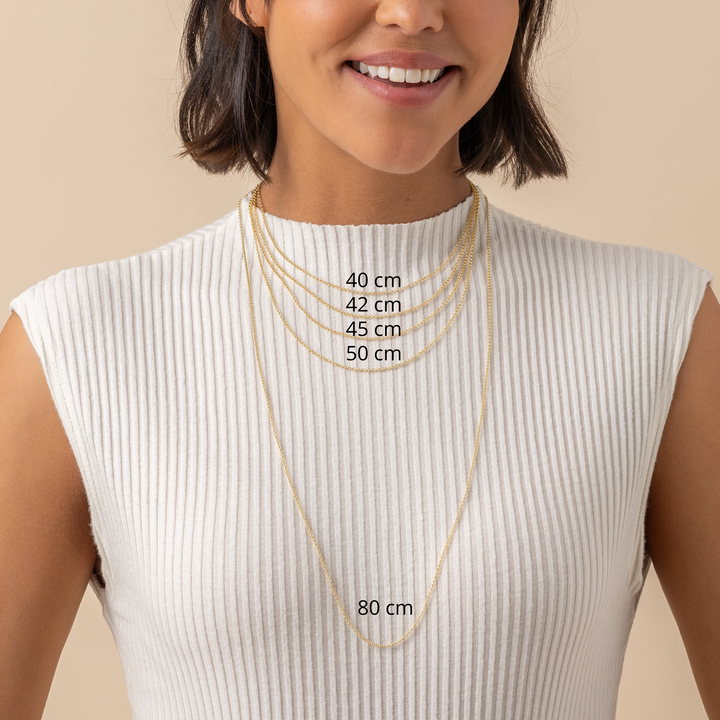
29 mm pendant in 925 polished sterling silver, nickel-free and hypoallergenic, on a 45 cm sterling silver chain (1.8 mm diameter) with lobster clasp and a 5 cm extender. Free DHL Express shipping worldwide in 1-5 business days, all duties and taxes covered, 30-day “Love It or Return It” policy.
Is there a gold version?
Not currently. The rotifer necklace is sterling silver only.

Other
In a world where art and science often exist in separate realms, our "Curiosities" collection serves as a harmonious confluence. Drawing inspiration from an eclectic range of scientific phenomena not covered elsewhere. Each piece is meticulously crafted to evoke a sense of wonder. It's jewelry that doesn't just adorn; it educates and fascinates, sparking conversations about the lesser-explored but equally awe-inspiring facets of our universe.
Find your perfect fit: measure an Existing Ring
Finding out your ring size at home is a simple process and can help you shop for jewelry online with confidence.
Necklace length guide