€ 225


Still questions? Contact us
Twin fetus necklace | sterling silver
The decisive moment in twin pregnancy is not the birth. It's the early branch point: did the zygote split, and if so, when? The answer determines whether the twins share a placenta, a chorion, or an amnion, and that determines the entire clinical trajectory of the pregnancy.
The Biology of Twin Pregnancy
Twin pregnancies are either dizygotic (fraternal: two separate fertilisation events, two chorions, two placentas) or monozygotic (identical: a single fertilised egg that splits within the first two weeks of development). Monozygotic twins are further classified by when the split occurs: dichorionic-diamniotic if the split happens before day 4 (separate chorions and amnions, lowest risk), monochorionic-diamniotic if the split happens between days 4 and 8 (shared chorion, separate amnions, the most common monozygotic type), and monochorionic-monoamniotic if the split happens after day 8 (shared chorion and amnion, highest risk). The shared placental circulation of monochorionic twins creates the risk of twin-to-twin transfusion syndrome, where vascular anastomoses between the two placentas cause unequal blood distribution. Management of monochorionic twin pregnancy is now a subspecialty of fetal medicine in its own right, with intrauterine laser ablation of the connecting vessels as the standard treatment when transfusion syndrome develops.
The Audience
The audience splits cleanly into clinical and personal:
- obstetricians, fetal medicine specialists, and maternal-fetal medicine clinicians
- neonatologists who care for preterm twins (twin pregnancy is the most common cause of preterm birth)
- midwives and perinatal nurses working in multiple-pregnancy clinics
- parents expecting or who have had twins
- twin siblings themselves, especially identical twins curious about their developmental origin
Buyers tend to fall into two groups: clinical specialists who pick the piece to mark fellowship in fetal medicine, and parents (or twin siblings) who pick it for the personal meaning. The two audiences rarely overlap on the same purchase but share the same piece.
Explore Related Human Anatomy Jewelry
- Fetus necklace | silver
- Fetus necklace | gold vermeil
- Embryo necklace | silver
- Uterus necklace H | silver
FAQ
Who is the twin fetus necklace for, beyond expectant parents?
Quite a few groups. Fetal medicine specialists and obstetricians who manage twin pregnancies pick it as a milestone gift after fellowship completion. Neonatologists working with preterm twins receive it from grateful families. Identical twins themselves sometimes pick it as a piece naming the developmental moment that made them. Less common as a non-specific gift, since the twin-pregnancy biology is the meaning.
Why does the timing of the zygotic split matter so much clinically?
Because it determines the placental architecture, and the placental architecture determines the risk profile for the rest of the pregnancy. A dichorionic-diamniotic split (before day 4) gives each twin its own placenta and amnion, which means the pregnancy carries roughly the same risk as two independent singleton pregnancies. A monochorionic-diamniotic split (days 4 to 8) means the twins share a placenta, with vascular anastomoses connecting their circulations and the risk of twin-to-twin transfusion syndrome. A monochorionic-monoamniotic split (after day 8) means they share an amniotic sac too, with the additional risk of cord entanglement. The clinical management changes accordingly: monthly ultrasound surveillance for dichorionic twins, fortnightly for monochorionic-diamniotic, and continuous inpatient monitoring late in monochorionic-monoamniotic pregnancies.
What's the size, material, and chain?
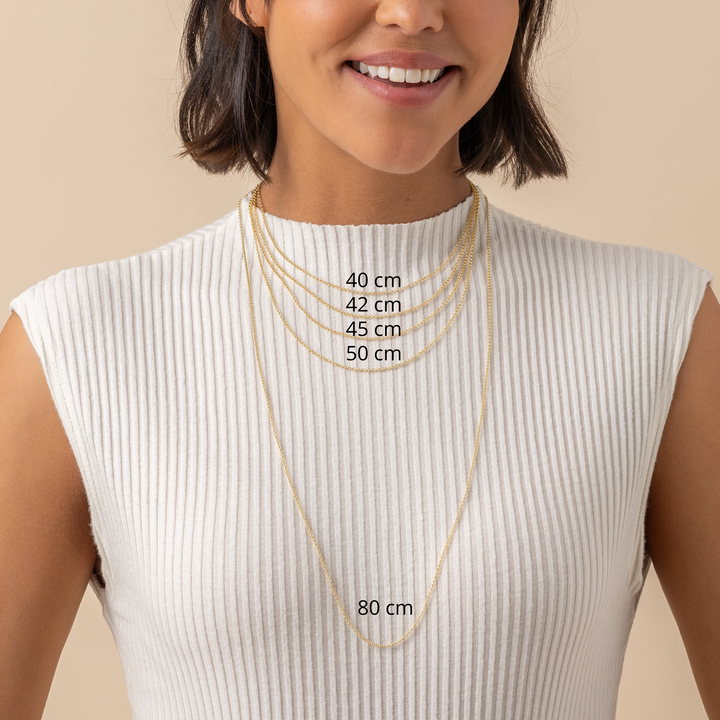
24 mm pendant in 925 sterling silver, nickel-free. 45 cm sterling silver chain with a 5 cm extender. Ships free worldwide via DHL Express in 1-5 business days, with all import duties prepaid. Comes in a ready-to-gift jewelry box with the 30-day “Love It or Return It” policy.
Is there a gold version?
Not currently. The twin fetus is silver only. The catalog has gold versions of the single fetus and several other obstetric pieces, but the twin variant is single-material for now.

Human Anatomy
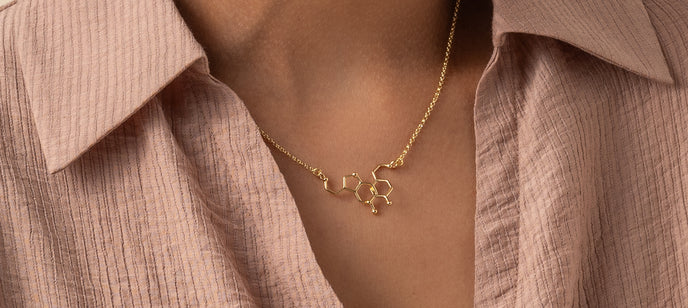
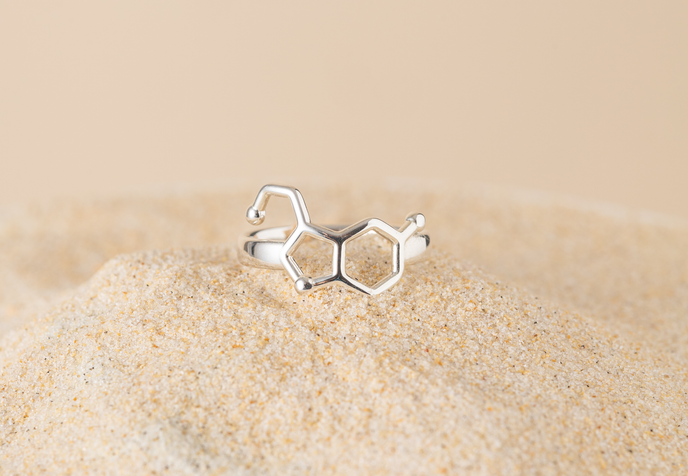
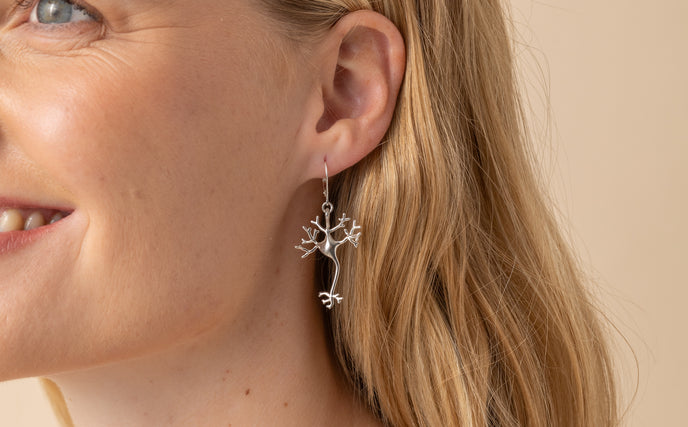
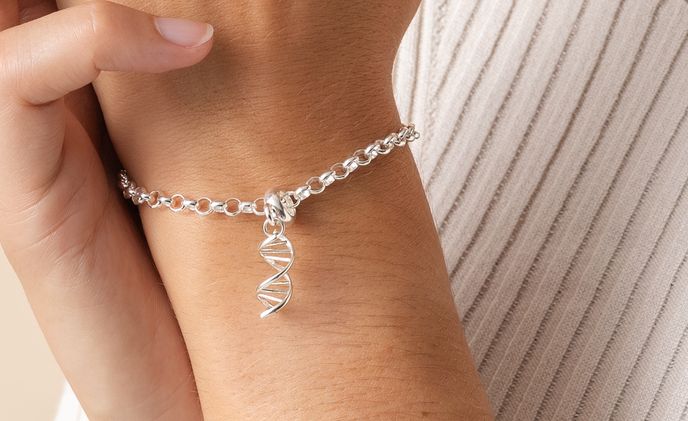
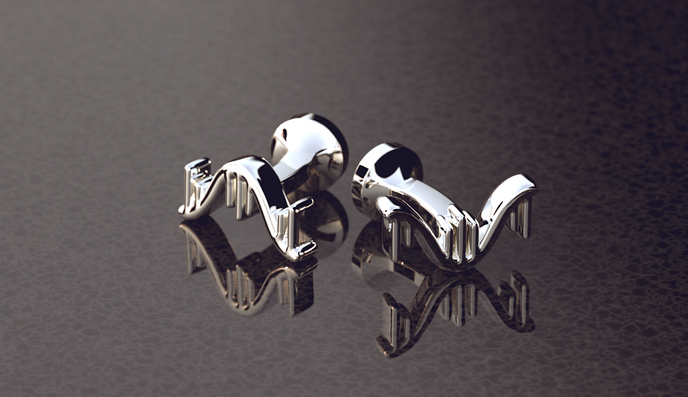
Anatomical wonders have never been so elegantly articulated. Our anatomical collection embodies the intricate and awe-inspiring structures that make us who we are. From DNA double helices to neuronal networks, our pieces don't merely imitate—they interpret. The collection serves as a tangible tribute to the hidden beauty within us all, elevating the realms of biology and medicine into wearable art. With exquisite attention to detail, each piece is a dialogue between form and function, revealing the enigmatic eloquence of the human body.
Find your perfect fit: measure an Existing Ring
Finding out your ring size at home is a simple process and can help you shop for jewelry online with confidence.
Necklace length guide