€ 185


Still questions? Contact us
Knee necklace | sterling silver
The knee is the largest synovial joint in the human body, where thighbone meets shinbone and kneecap tracks above them. Two compartments that bear weight, two ligaments that stabilise, cartilage pads that absorb force. It is a joint designed for movement, and movement is what wears it out. Worn here as a 25 mm sterling silver pendant for those who know the anatomy of load.
The Anatomy and Pathology of the Knee Joint
The knee is a modified hinge joint comprised of two functional compartments: the tibiofemoral joint (where the femur articulates with the tibia) and the patellofemoral joint (where the patella or kneecap articulates with the femur). Stability is maintained by four ligaments: the anterior and posterior cruciate ligaments (ACL and PCL) resist anterior and posterior translation and rotation, while the medial and lateral collateral ligaments (MCL and LCL) resist medial and lateral stress. The medial and lateral menisci are cartilaginous shock-absorbing structures that sit between the femur and tibia. The knee is the most common site of osteoarthritis in the human body. Acute injuries to the ACL and menisci are among the most prevalent orthopedic injuries, particularly in athletic populations. Approximately 1 million knee replacement surgeries are performed annually in the United States, making it one of the most common surgical procedures.
Who Tends to Wear This
- orthopedic surgeons and sports medicine physicians treating knee injuries and arthritis
- physical therapists and rehabilitation specialists managing knee rehabilitation
- athletes and former athletes living with knee injuries, ACL tears, or meniscal damage
- anatomists who recognize the joint as the weight-bearing hub that lets humans walk
For someone who has experienced the fragility of the knee and learned to respect the architecture that holds the entire weight of the body through every step.
Explore Related Anatomy Jewelry
- Humerus necklace | silver
- Hyoid bone necklace | silver
- Heart-section necklace | silver
- Lungs necklace | silver
- Uterus necklace | silver
FAQ
What are the main ligaments of the knee and what do they do?
Four ligaments stabilise the knee. The anterior cruciate ligament (ACL) prevents excessive forward sliding of the tibia relative to the femur and resists rotation. The posterior cruciate ligament (PCL) prevents excessive backward sliding. The medial collateral ligament (MCL) resists varus stress (inward bending), and the lateral collateral ligament (LCL) resists valgus stress (outward bending). ACL tears are among the most common knee injuries in sports and are a leading cause of knee surgery. Meniscal tears occur when the cartilage pads between the femur and tibia are damaged, often during twisting injuries. These injuries can lead to chronic pain, instability, and accelerated arthritis if untreated.
Why is the knee so prone to arthritis?
The knee is the most common site of osteoarthritis in the human body because it is a weight-bearing joint that experiences constant compressive force during standing and walking. Over time, the protective articular cartilage wears down, and bone-on-bone contact increases friction and pain. Osteoarthritis risk rises with prior injury (particularly ACL or meniscal damage), obesity, and repetitive high-impact activities. Approximately 1 million knee replacement surgeries are performed annually in the United States, predominantly for end-stage knee osteoarthritis.
What material is the pendant and what chain comes with it?
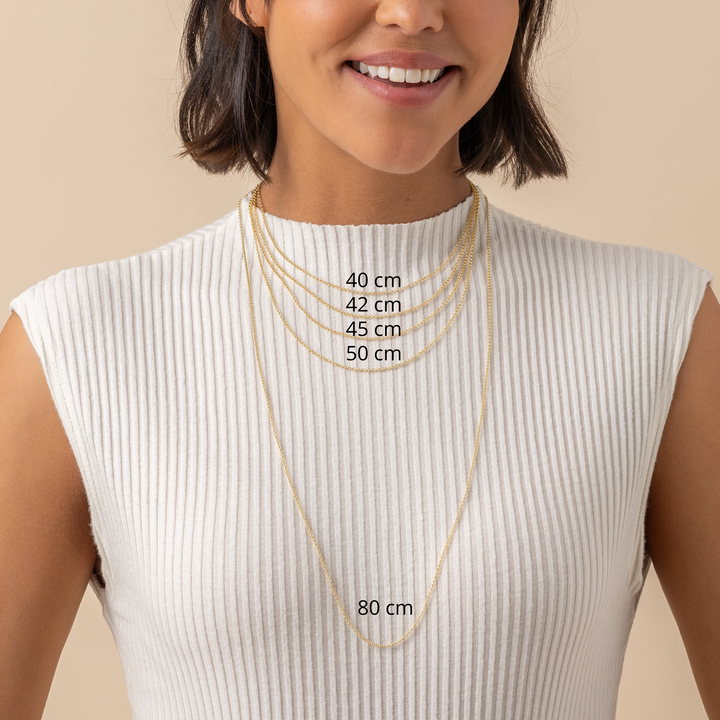
925 sterling silver, 25 mm pendant on a 45 cm sterling silver chain (ø 1.8 mm) with a 5 cm extender. Nickel-free and hypoallergenic. Free worldwide DHL Express in 1-5 business days, with all import duties and taxes covered. 30-day “Love It or Return It” returns.
Is this available in gold?
Yes. The knee necklace is also available in 18K gold vermeil, same design, 25 mm pendant.

Human Anatomy
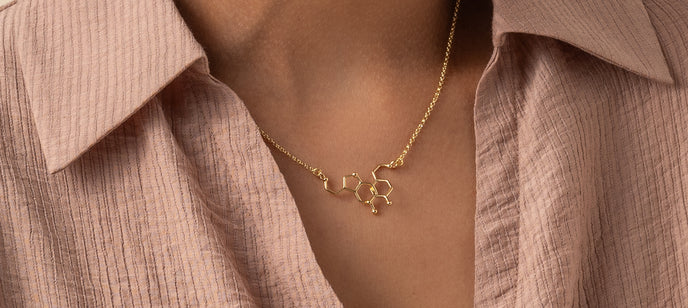
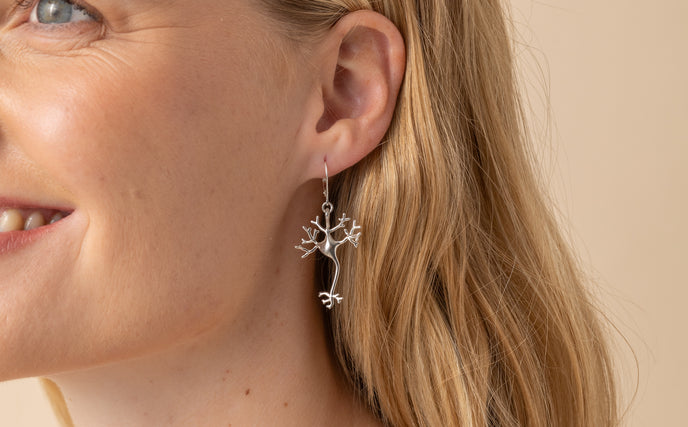
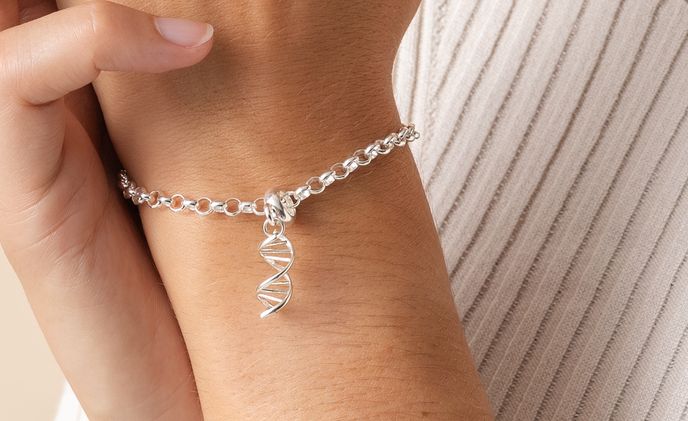
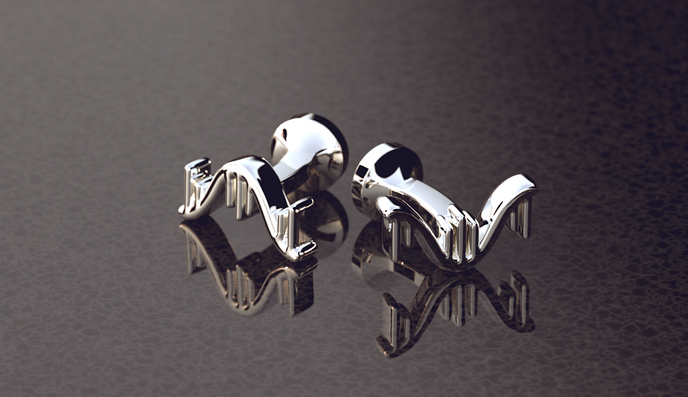
Anatomical wonders have never been so elegantly articulated. Our anatomical collection embodies the intricate and awe-inspiring structures that make us who we are. From DNA double helices to neuronal networks, our pieces don't merely imitate—they interpret. The collection serves as a tangible tribute to the hidden beauty within us all, elevating the realms of biology and medicine into wearable art. With exquisite attention to detail, each piece is a dialogue between form and function, revealing the enigmatic eloquence of the human body.
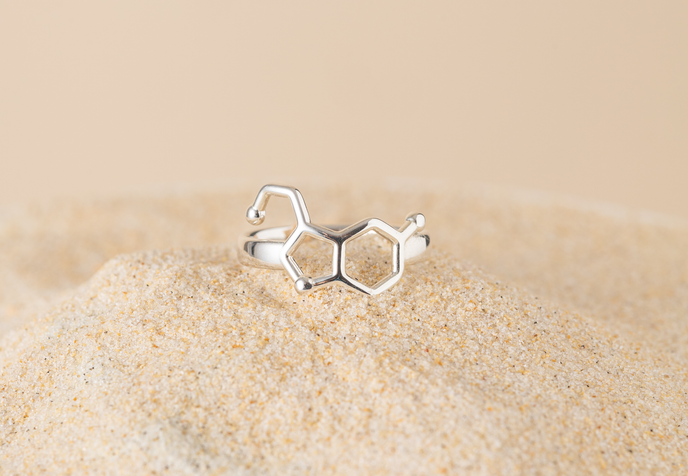
Find your perfect fit: measure an Existing Ring
Finding out your ring size at home is a simple process and can help you shop for jewelry online with confidence.
Necklace length guide