€ 160


Still questions? Contact us
Macrophage studs | sterling silver
A lab coat hides most of an outfit, but not the earrings. Macrophage studs in sterling silver suit a colleague in your lab, and macrophages themselves are the immune cells that raise the alarm when bacteria get into a tissue.
Who It's For
- your sister
- a researcher who works with macrophages
- a friend who works in immunology
- yourself, for a pair that is comfortable to wear
Valdimar B.: “absolutely love them. fantastic quality and beautifully made.”
Where Tissue Macrophages Come From
For decades the textbook answer was that tissue macrophages are monocytes that left the blood and settled in place, a model set out in the late 1960s. Fate-mapping studies changed that from 2010 on. In mice, microglia, the brain's macrophages, descend from cells that arise in the yolk sac before the embryo is eight days old, and several other tissue macrophages also trace back to before birth. Many of these populations keep up their numbers by dividing where they live, with little help from the blood. In the human brain, carbon-14 dating puts the average microglial cell at about four years old.
Explore Related Immunology Jewelry
- macrophage necklace | silver
- macrophage necklace | gold vermeil
- antibody studs | silver
- lymphocyte necklace | silver
FAQ
How big are they, and how do they fasten?
Each stud measures 7 mm (just over a quarter of an inch), less than half the width of a 1-cent euro coin (16.25 mm) or a US dime (17.91 mm). They are small and discreet. A post at the back passes through the piercing and an ear nut holds it in place. On the model photo the stud sits on the earlobe, close to the skin. Our sterling silver is nickel-free and hypoallergenic. Wipe them with a soft cloth and store them dry.
Is there a gold vermeil pair, or something to match?
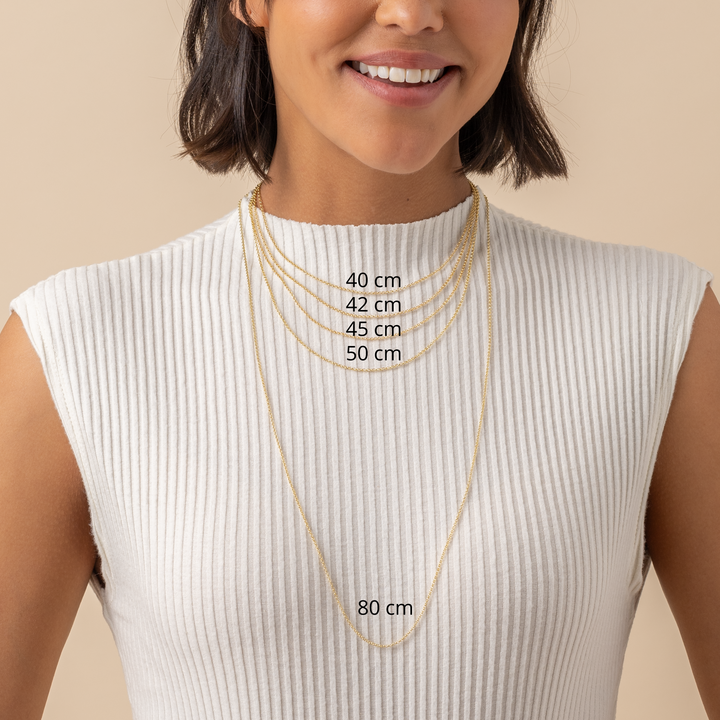
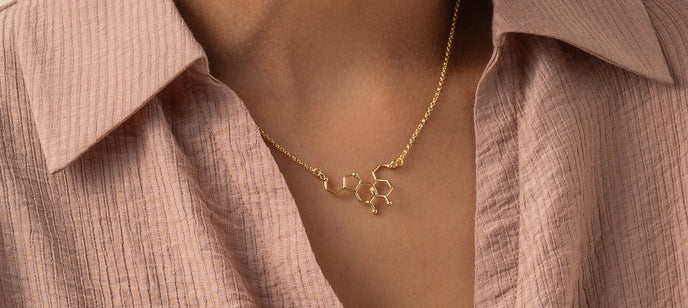
No, the macrophage studs come in sterling silver only. To make a set, the macrophage necklace has a 27 mm pendant on an 80 cm chain and comes in sterling silver, which matches these studs, and in 18K gold vermeil. For the necklace on its own, choose the finish the recipient already wears. The design is the same in both finishes.
Will they arrive in time, and what if they aren't right?
DHL Express delivers them free worldwide in 1-5 business days, and we pay the import duties and taxes, so nothing is due at the door. They arrive in a ready-to-gift jewelry box and festive envelope. If they aren't right, our 30-day “Love It or Return It” policy applies to unworn earrings.
How did a macrophage lab discover dendritic cells?
Through cells that did not behave like macrophages. In the early 1970s Ralph Steinman, in Zanvil Cohn's macrophage lab at Rockefeller University, studied cells from mouse spleens. A few had long arms that reached out and pulled back as they moved, and unlike macrophages they took in very little. In 1973 he and Cohn described them, and Steinman named them dendritic cells, from the Greek for tree. Many immunologists ignored the finding for years. In 2011 Steinman shared the Nobel Prize in Physiology or Medicine for the discovery.
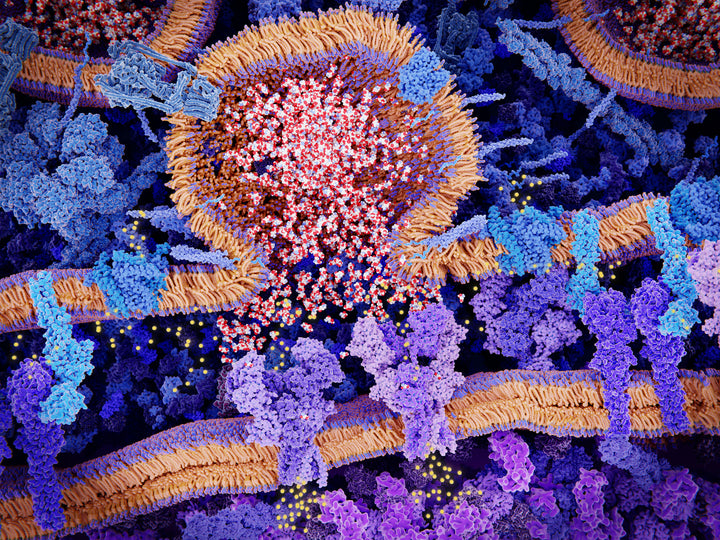
Cellular Biology
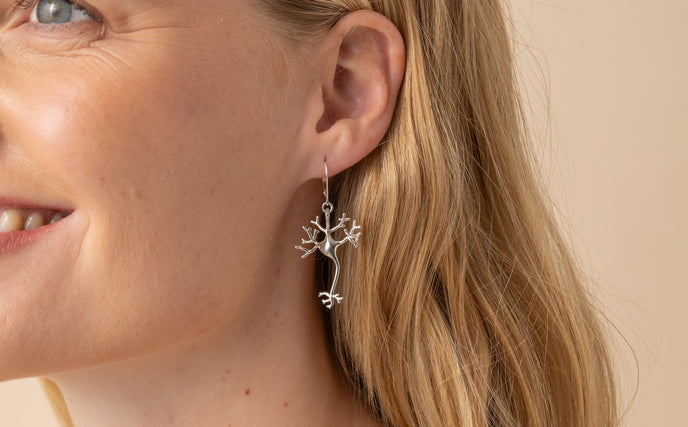
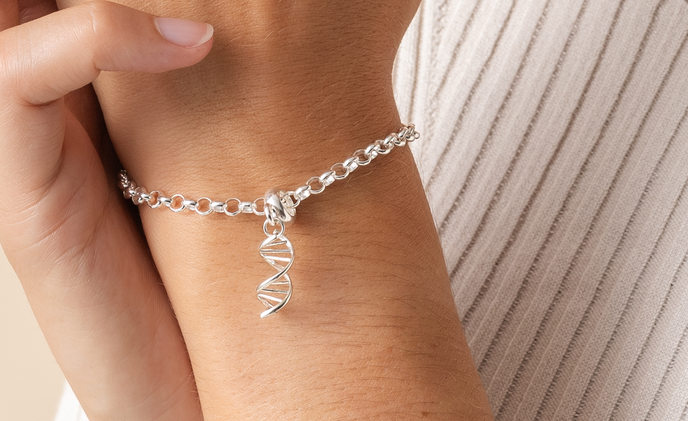
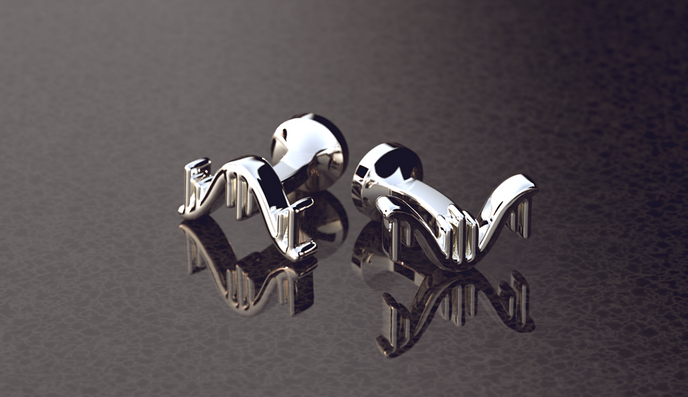
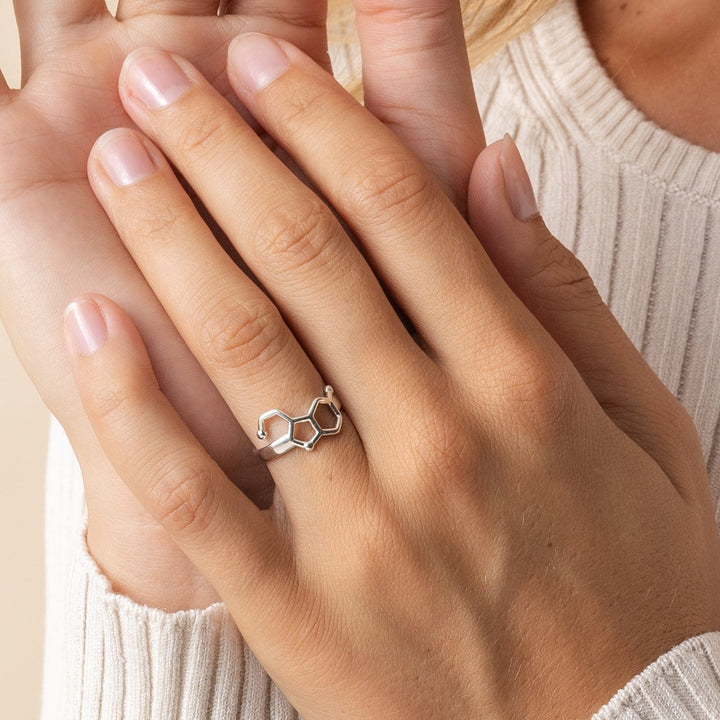
Step into the fascinating world of cellular biology through our unique jewelry designs. These pieces serve as wearable reflections of life's microscopic wonders, capturing the aesthetics of DNA strands, cellular formations, and more. Far from simple adornments, they spark dialogue and honor the captivating complexities found within biological research. Merging scientific accuracy with artistic flair, each creation offers a tactile experience that bridges the gap between scientific inquiry and aesthetic appreciation.
Find your perfect fit
Necklace length guide