€ 190


Still questions? Contact us
Scalpel earrings | sterling silver
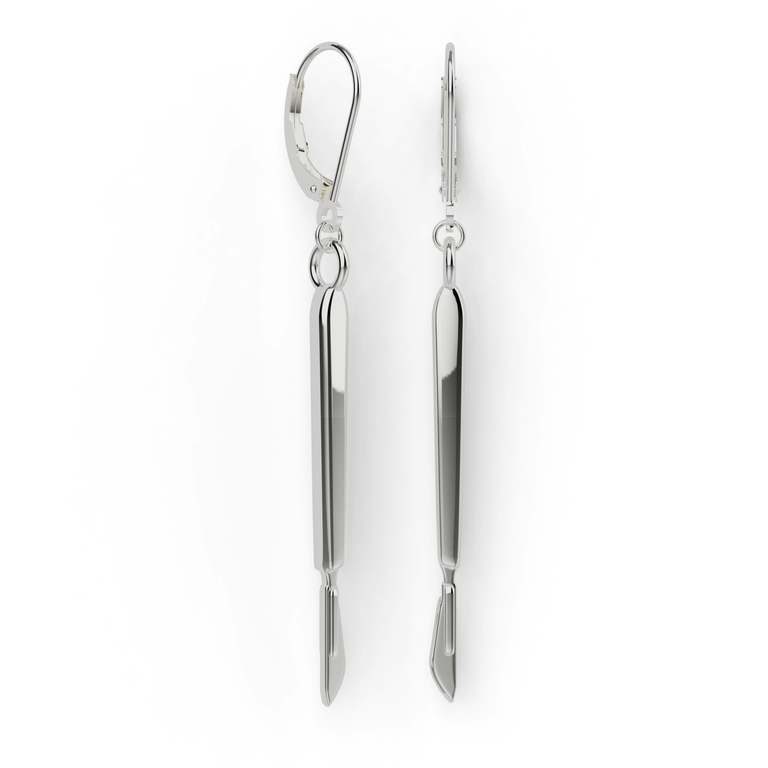
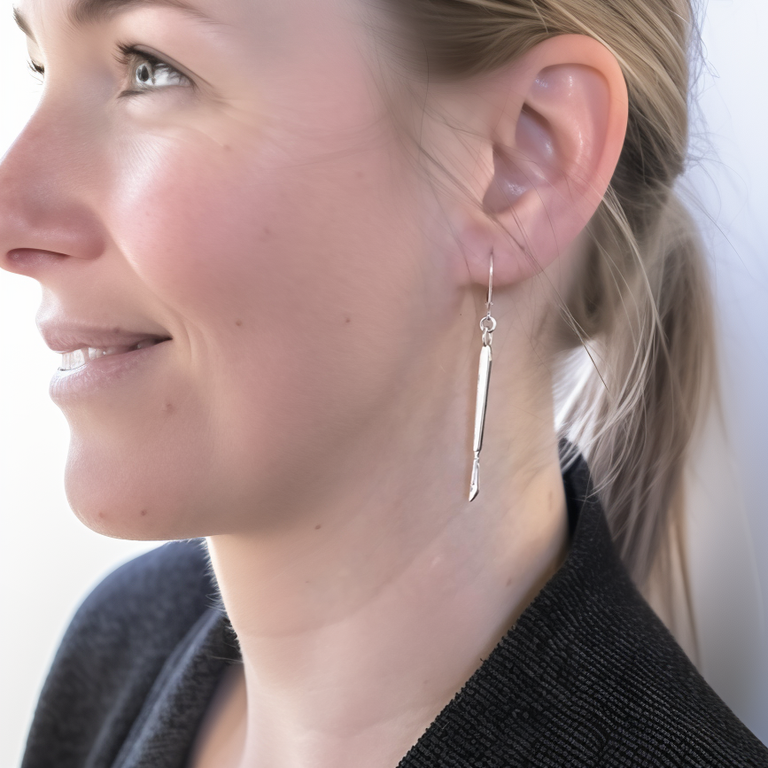
The scalpel is the instrument that defines surgery as a manual craft. The Bard-Parker handle has been the industry standard since 1915, and the basic shape has barely changed in a century. The tool that makes the first cut. Worn here as a 36 mm pair of sterling silver earrings.
The Science Behind the Scalpel
The modern surgical scalpel is a two-piece design: a reusable Bard-Parker handle (US patent 1915, Charles Russell Bard) and a disposable carbon-steel or stainless-steel blade that locks into the handle's slot. Blade numbers correspond to specific cutting profiles: #10 is the standard tissue blade, #11 is the pointed stab blade for puncture incisions, #15 is the small curved blade used in fine dissection and dermatology, #22 is the larger #10 used for major incisions. The basic design has remained essentially unchanged since the early twentieth century, which is unusual for a clinical instrument. Before disposable blades, surgeons sharpened their own scalpels on a strop. The transition to disposable blades in the 1920s standardised the cutting edge across operating theatres globally.
The Audience
- surgeons across general, cardiothoracic, orthopaedic, and plastic specialties
- surgical residents and operating-theatre staff
- dentists, oral surgeons, and dermatologists who use scalpels in daily practice
- pathologists and dissection-room teaching staff
For someone who associates the scalpel with the steady hand and the first incision, not with the cliche of medical drama.
Explore Related Medical and Lab Tools Jewelry
- Scalpel necklace | silver
- Microscope earrings | silver
- Eppendorf earrings | silver
- Petri dish earrings | silver
- Syringe necklace | silver
FAQ
Are these for working surgeons or for surgery enthusiasts?
Most often working surgeons or surgical staff. The scalpel reads cleanly in a clinical context, where the tool is recognised immediately and the symbolism does not need explaining. Buyers outside the surgical professions tend to be people with a personal connection to a surgery that mattered, or family members of surgeons giving a gift after residency completion or a board exam.
Why has the scalpel design barely changed in a century?
Because the basic geometry is already optimal for the task. A small, flat blade with a sharp leading edge, mounted on a handle that gives the surgeon precise three-finger control, with a disposable cutting surface that can be sterile out of the package. The Bard-Parker system from 1915 solved the problems of edge consistency, sterility, and reusability at the same time, and nothing since has improved on it enough to justify a redesign. Some specialised blades exist (sapphire, diamond, ceramic), but the standard #10, #11, #15, #22 set covers most of surgery.
What size are the earrings and what is the return policy?
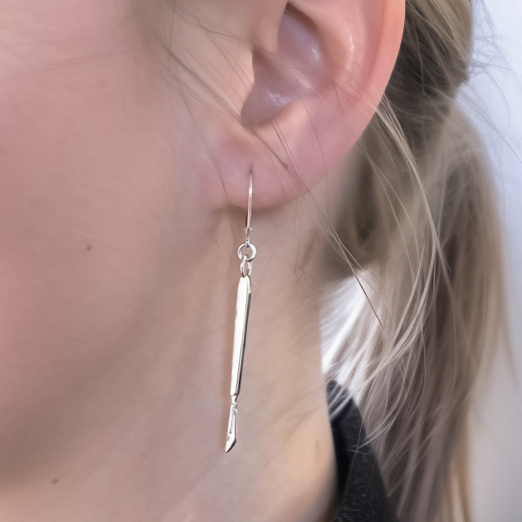
925 sterling silver, 36 mm scalpel earrings on sterling silver leverback hooks. Nickel-free and hypoallergenic, no chain. Free worldwide DHL Express in 1-5 business days, with all import duties and taxes covered. 30-day “Love It or Return It” returns.
Is there a necklace version?
Yes. The scalpel necklace is the pendant counterpart in sterling silver. Many surgeons who already own the necklace pick up the earrings as a second daily-wear format that does not interact with a stethoscope or a sterile field.

Medical & Lab tools
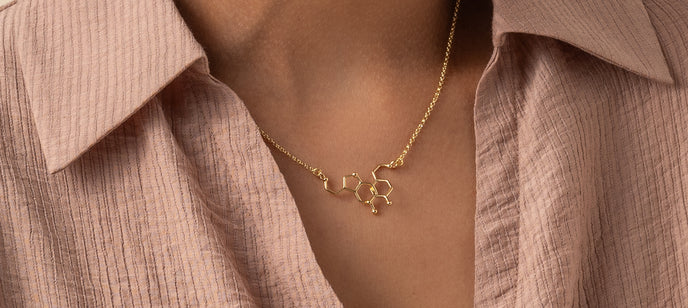
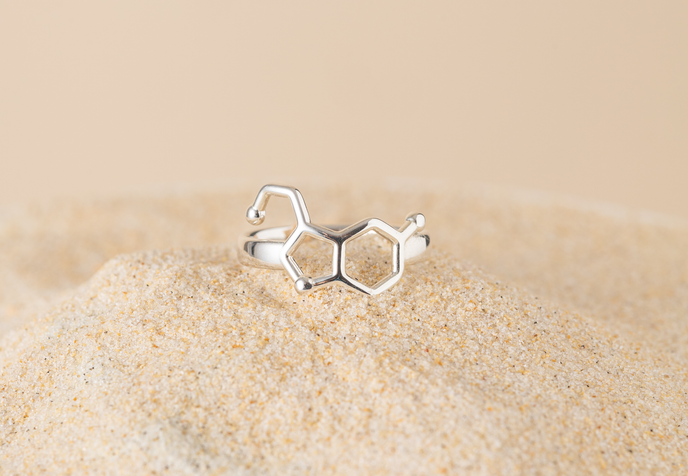
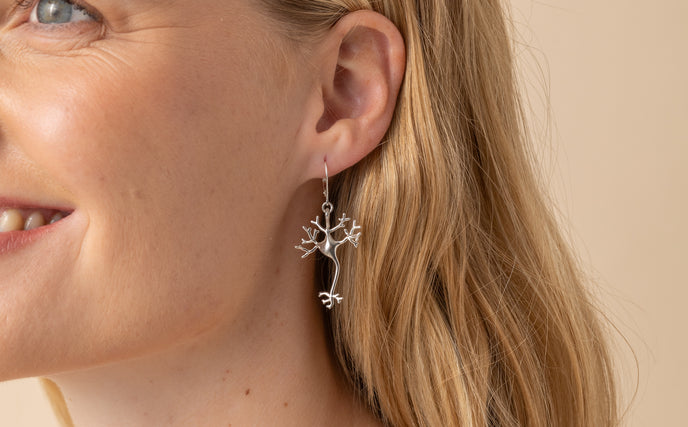
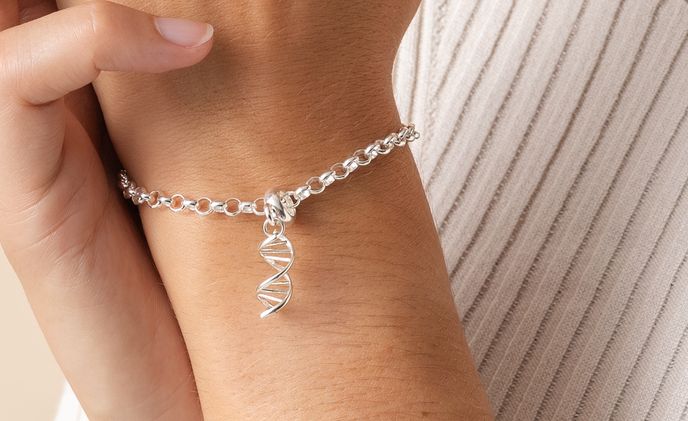
Dive into the captivating world of science-inspired jewelry, where intricate designs meet the essence of medical and laboratory tools. These masterfully crafted pieces act as subtle yet striking tributes to the instruments that have paved the way for scientific discovery. From DNA helices to microscope charms, each piece serves as a conversation starter, a talisman, and a small monument to human ingenuity. They're not just accessories; they're wearable artifacts that tell a story of scientific exploration and advancement.
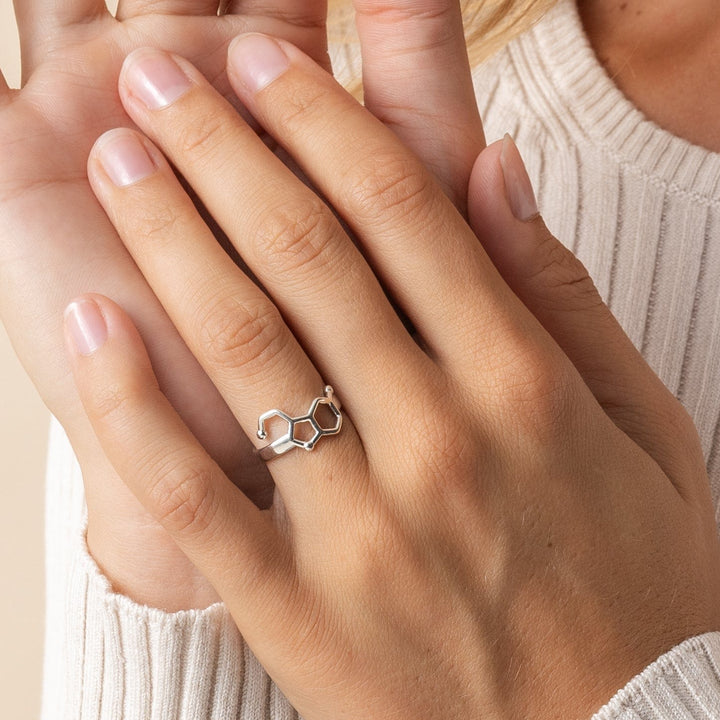
Find your perfect fit
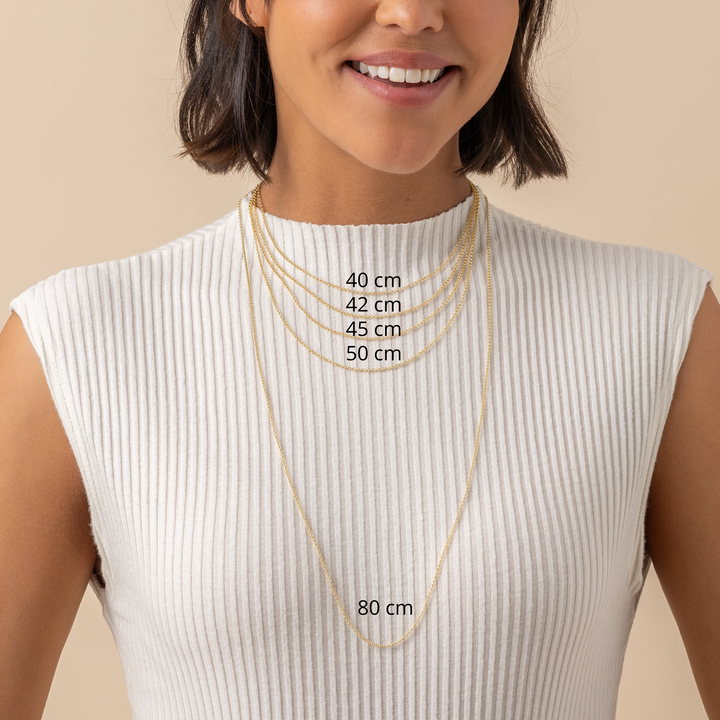
Necklace length guide