€ 140


Still questions? Contact us
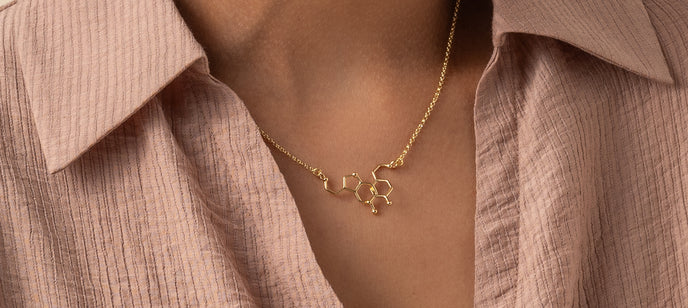
Cytosine necklace | sterling silver
If you have ever taught the central dogma, cytosine is the base that gives the lecture another layer. The four DNA letters carry the genetic code. Cytosine, when methylated, carries a second layer of information that controls which genes get used. Worn here as a 19 mm sterling silver pendant.
The Science Behind Cytosine
Cytosine, formally 4-aminopyrimidine-2(1H)-one, pairs with guanine through three hydrogen bonds, making the G-C base pair stronger and more thermally stable than A-T. Beyond pairing, cytosine is the substrate for DNA methylation. The methyltransferase enzymes DNMT1, DNMT3A, and DNMT3B add a methyl group to the 5-position at CpG dinucleotides, producing 5-methylcytosine. Methylated cytosines in gene promoters silence transcription by recruiting methyl-binding proteins and chromatin-compacting complexes. The mark is heritable through cell division and is the molecular basis of developmental gene silencing, genomic imprinting, and X-chromosome inactivation. CpG sites are underrepresented in the genome over evolutionary time because methylated cytosines deaminate to thymine at an elevated rate.
Who Will Recognise It
- molecular biologists and epigenetics researchers
- biochemists studying DNA methylation or gene regulation
- cancer biologists working on methylation dysregulation
- educators teaching the central dogma at any level
The base that holds the epigenetic information layer of the genome.
Explore Related Molecules Jewelry
- Guanine necklace | silver
- Cytosine-guanine earrings | silver
- Cytosine-guanine necklace | silver
- Cytosine-guanine necklace | gold vermeil
- Adenine necklace | silver
FAQ
Why cytosine on its own rather than the C-G pair?
Because the methylation chemistry that makes cytosine biologically interesting only happens to cytosine. Guanine pairs with it but does not carry the epigenetic mark. People who work on DNA methylation, gene regulation, or cancer epigenetics tend to find the single-base cytosine pendant more meaningful than the paired one for that reason. The C-G combined pendant exists separately for buyers who want the pair.
What is special about CpG sites?
CpG is a dinucleotide where a cytosine is followed by a guanine on the same DNA strand. CpG sites are the targets of methylation in mammalian genomes. Most of them are methylated, and that methylation is heritable through cell division. The catch is that methylated cytosine deaminates to thymine, which means CpG sites disappear from the genome at an elevated rate over evolutionary time. The genome has roughly a quarter of the CpG content random sequence would predict.
What size is the pendant and what is the return policy?
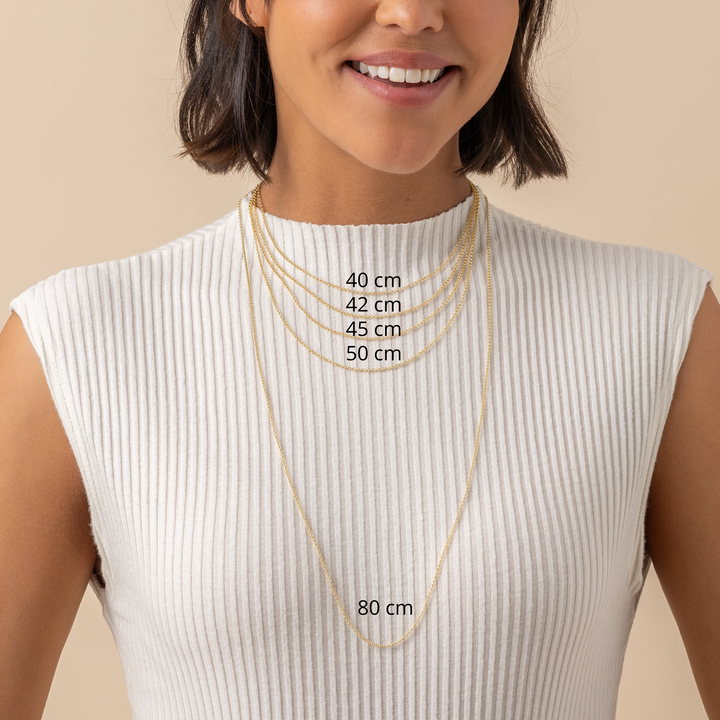
925 sterling silver, 19 mm pendant on a 45 cm sterling silver chain with a 5 cm extender. Nickel-free and hypoallergenic. Free worldwide DHL Express in 1-5 business days, with all import duties and taxes covered. 30-day “Love It or Return It” returns.
Is the cytosine-guanine pair available too, or just the single base?
Both. The combined cytosine-guanine pendant exists in sterling silver and in 18K gold vermeil. There is also a mix-and-match earring set with the two bases, one per ear, in sterling silver.
Molecules
Delve into the hidden elegance of science with our meticulously crafted jewelry, inspired by the intricate structures of chemical molecules. Each piece serves as a tactile tribute to the building blocks of life and matter, capturing the allure of atoms and bonds in precious metals. A harmonious fusion of art and science, these creations are more than mere accessories; they're a celebration of the enigmatic beauty that underpins our universe.
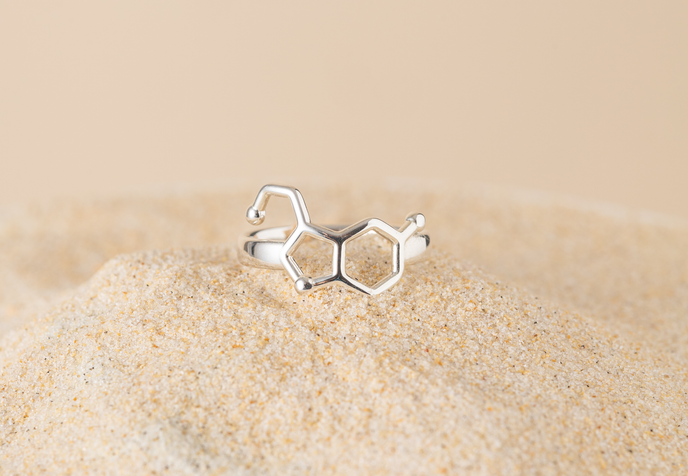
Find your perfect fit: measure an Existing Ring
Finding out your ring size at home is a simple process and can help you shop for jewelry online with confidence.
Necklace length guide